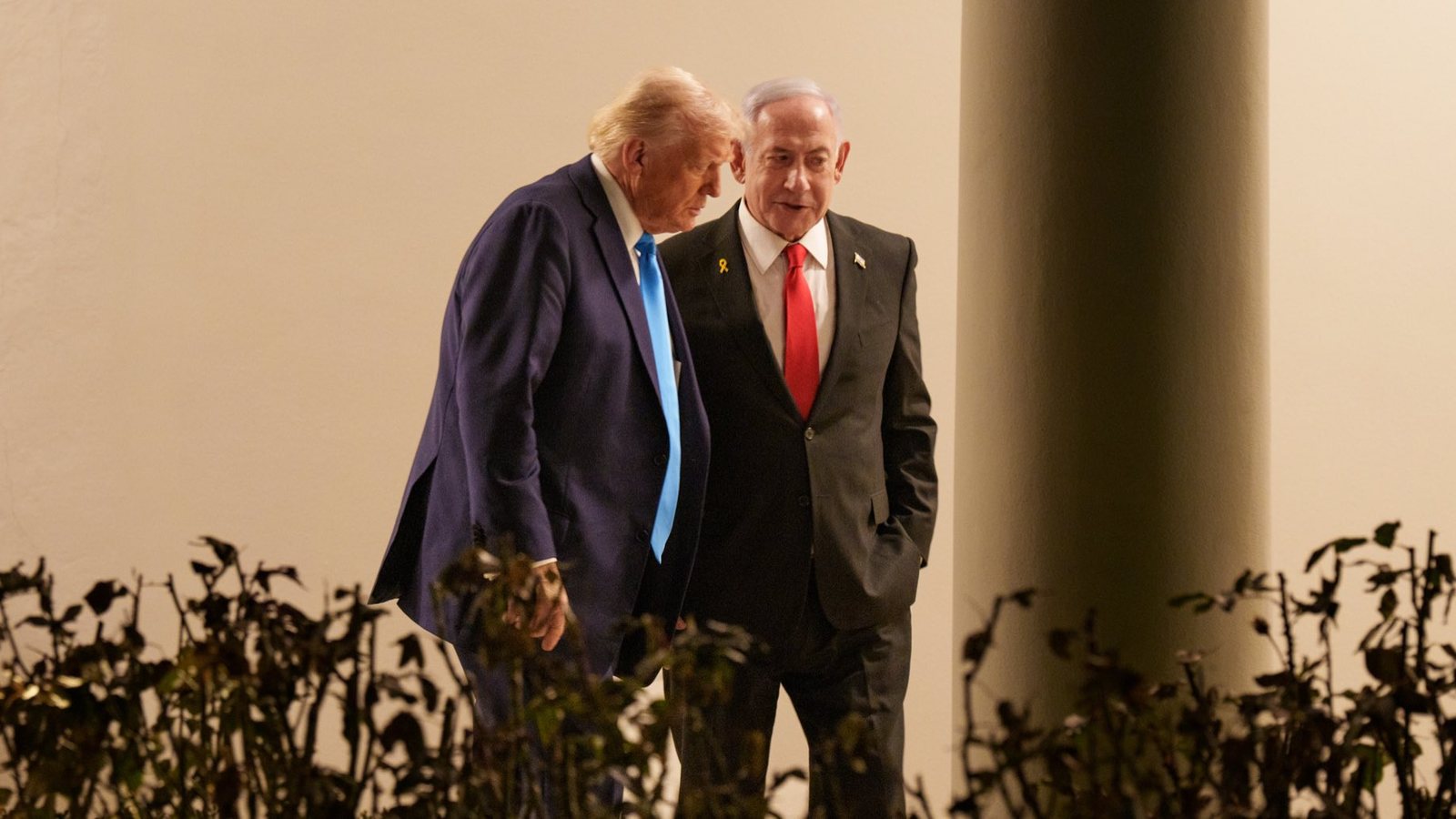
Secretary of State Marco Rubio said in Paris on Tuesday that “there is no need for major combat operations” against Iran, because the US economic campaign is “so devastating.” His words were the clearest answer yet to Israeli Prime Minister Benjamin Netanyahu, who has been pressing President Donald Trump for new Iran strikes, according to a run of reports over the past ten days.
Secretary of State Marco Rubio said in Paris on Tuesday that “there is no need for major combat operations” against Iran. The US economic campaign is “so devastating” that strikes can wait, he said. It was the clearest answer yet to Israeli Prime Minister Benjamin Netanyahu, who has been pressing President Donald Trump for new Iran strikes, according to four reports in ten days.
The latest came from the Financial Times on Monday, Nov. 9. “Netanyahu calls him every day [to urge him to resume the war],” a person briefed on the discussions told the paper. The FT is paywalled, so we used the quote as Gulf News carried it.
For Americans, the question is whether the US returns to full-scale war with Iran, now in its ninth month, with thousands of US troops in the region.
Four reports, all from unnamed sources
Every account rests on anonymous sources, and none has been confirmed on the record.
- Axios, Nov. 1: an Israeli and a US source said Netanyahu urged Trump in a weekend call to strike Iran right after the midterms. Trump preferred to let talks continue. The Israeli source called the call “tough,” Iran International reported, and Trump called it “a very good talk.”
- AP, Nov. 3: two regional officials and a third person said Netanyahu was pushing for another wave of strikes after the US elections. One said he was working with senior US officials to win Trump over to a quick but extensive air campaign. Trump would not commit, according to the AP story carried by ABC7.
- Financial Times, Nov. 9: the daily calls. A second person familiar with Israel’s position said Netanyahu wants action resumed. But that person said there is no current “push” to persuade Trump.
- Yedioth Ahronoth, Nov. 9-10: sources described a weekend call as “a screaming conversation from hell,” Middle East Monitor reported, citing Anadolu.
The “every day” line had surfaced once before. On Nov. 1, Tucker Carlson quoted an unnamed source on X: “Bibi calls Trump about it every day.”
Carlson also predicted a decision on a nuclear strike by Nov. 7, which we examined at the time. That date passed without one.
What Israel and the White House say
Israel has denied the sharpest version. Netanyahu’s office called the Yedioth account “Fake news, complete nonsense.” A senior Israeli official confirmed the call happened but said it was not difficult, Middle East Monitor reported.
Israel’s UN ambassador, Danny Danon, answered the Axios report directly. “Prime Minister Netanyahu is not pressing President Trump,” he told Al Arabiya English. Israel would back any US decision, he added, Iran International reported on Nov. 2.
The White House declined to comment on the FT report, Israel National News reported. It did not directly respond to the AP’s questions about the call either. We found no on-the-record denial from either government of the daily calls.
The two sides are not as far apart as they look. Nobody on the record disputes that Netanyahu wants strikes resumed; even the FT’s second source said so. The dispute is over how hard he is pushing and how the calls went.
He also has a reason at home. Israel’s Oct. 27 election left no majority, and a return to full-scale war could help him form an emergency government, the AP reported.
Trump’s answer since the midterms
Trump has not given Netanyahu the campaign he reportedly wants. On the eve of the vote, US forces carried out limited strikes on Iran’s Qeshm Island. Officials said the Qeshm raid did not mark a return to major combat.
On Nov. 9, Trump met Qatar’s prime minister, Sheikh Mohammed bin Abdulrahman Al Thani, at the White House.
Afterward he wrote that US forces are “locked and loaded” but that renewed action “seems to be quite unlikely,” The National reported. He cited “positive momentum” toward ending the conflict. Qatar, Saudi Arabia, the UAE, Bahrain and Kuwait favor keeping the US naval blockade in place, he said.
At a briefing he said Iran “militarily is effectively over.” He added: “We’ll see what happens. I don’t guarantee anything.”
Rubio spoke after a G7 foreign ministers’ meeting on Tuesday, AFP reported via Free Malaysia Today. Trump “has concluded that for the time being there is no need for major combat operations,” he said. If Iran crossed “red lines,” the “US military stands ready.”
Pressure from the region runs the other way. At least four leaders recently urged Trump to negotiate, the FT reported, according to Gulf News. They were Saudi Crown Prince Mohammed bin Salman, UAE President Sheikh Mohamed bin Zayed, Qatar’s Emir Sheikh Tamim bin Hamad and Turkey’s President Recep Tayyip Erdogan.
Two weeks ago the US warned Gulf allies to brace for strikes after the midterms. The election came and went, and for now the economic squeeze has won out.
Iran denies there are any talks to protect
Turkish intelligence chief Ibrahim Kalin said Qatar would host Vice President JD Vance and Mohsen Rezaei for talks, Middle East Eye reported. Rezaei is secretary of Iran’s Supreme National Security Council, and Vance wrote to him last month, according to Al-Monitor.
Rezaei rejected the report on Tuesday. “STOP manufacturing FAKE NEWS about imaginary talks,” he wrote on X, the Tehran Times reported. In a TV interview he said “we are not currently conducting any negotiations with the Americans,” according to Tasnim.
Iran says the Strait of Hormuz stays shut until the US meets seven conditions, Al Jazeera and Reuters reported on Wednesday. Tehran hasn’t published the full list. Its officials have named the lifting of sanctions and the blockade, and an end to fighting on all fronts, including Israel’s attacks in Lebanon.
Rubio has called some of the demands “outrageous and ridiculous,” Al-Monitor reported. Qatar, the main mediator, said on Tuesday it had received “positive responses” from both capitals. It also warned that a deal was not certain, Middle East Monitor reported.
The strait is where it could break
At sea, the fighting hasn’t stopped. Iran’s Revolutionary Guard said three tankers hit mines on Tuesday on an “unauthorised route” in the eastern strait. Maritime monitors have counted at least 37 attacks on ships near Hormuz this month, Al Jazeera and Reuters reported. That is the highest monthly total of the war.
The stakes reach every gas pump. Before the war, about 20 million barrels of oil a day passed through the strait in 2024, roughly a fifth of world use, the Energy Information Administration says.
Rubio’s line holds only “for the time being,” and only until Iran crosses a US red line. The next test is whether Qatar gets both sides into talks that Iran says aren’t happening. If another attack in the strait comes first, the strike question goes straight back to Trump’s desk.