Ajaccio, Corsica —A late‑night flight from Paris circled Corsica for nearly an hour after the sole air traffic controller at Ajaccio’s Napoléon Bonaparte Airport was found asleep. The runway lights had been turned off, and no radio communications were received until emergency procedures were activated.
Flight Delayed After ATC Silence
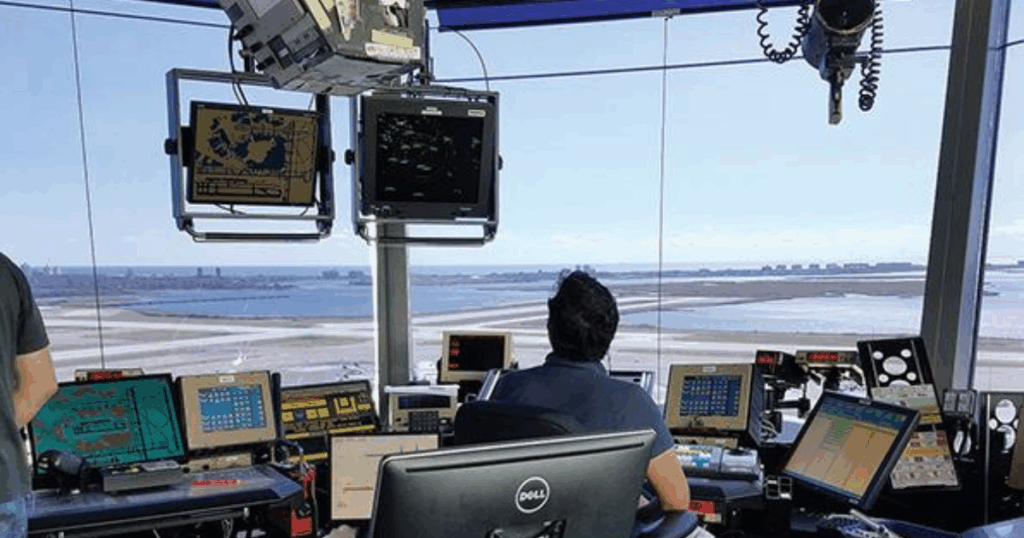
An Air Corsica Airbus A320, arriving from Paris, was on approach to Ajaccio when pilots noticed silence from the tower. Despite repeated attempts, no radio response was received, and the runway lighting remained switched off. Airport ground staff and fire crews also failed to make contact. With no immediate resolution, police were called to the restricted control tower area. After bypassing security barriers, they discovered the controller asleep at the desk. Once awakened, the controller switched on the runway lights and cleared the plane to land safely. Passengers remained calm, joking about their “extra tour” of Corsica.
Key Safety Risks Exposed
The incident highlighted several vulnerabilities in Ajaccio airport’s operations. Here’s a breakdown of the main issues:
| Area of Concern | What Happened | Suggested Fix |
|---|---|---|
| Staffing | Only one controller was on duty, who fell asleep | Require at least two controllers for night shifts |
| Communication | Tower was unresponsive to pilots and ground staff | Install alert systems if radios go silent |
| Safety Systems | Runway lights stayed off until controller woke up | Automate or enable ground override for lighting |
| Access Protocols | Locked tower delayed urgent access | Establish emergency access procedures |
Controller Fatigue and Regulatory Gaps
Fatigue has long been recognized as a serious risk factor in aviation safety. In this case, working an overnight shift alone likely contributed to the controller’s lapse. The French Civil Aviation Authority is investigating, with early reports confirming the controller tested negative for drugs and alcohol. However, the absence of backup staff and automated safety systems raises regulatory questions about minimum standards for night operations at regional airports.
Reactions from Passengers, Experts, and Authorities
Passengers reportedly stayed calm during the delay, with some treating the situation humorously. But aviation unions and safety experts voiced concerns:
- Staffing adequacy: Should regulations require two controllers on all shifts, including late-night hours?
- Failsafe technology: Why are runway lights fully dependent on manual activation, with no backup override?
- Emergency protocols: Should ground crews have faster access to the tower during non-response incidents?
The French Civil Aviation Authority has signaled it will review procedures and staffing guidelines in response.
Broader Implications for Aviation Safety
The Ajaccio incident underscores the fragile balance between efficiency and safety in aviation. Smaller and regional airports often operate with lean staffing models, but this creates higher vulnerability when human error occurs. Lessons include:
- Human error is inevitable — redundancy and backup systems must be in place.
- Fatigue management matters — long solo shifts increase the risk of lapses.
- Safety Management Systems (SMS) must be robust enough to anticipate and mitigate such failures.
This episode may accelerate conversations about automation, including automatic runway lighting, AI-assisted monitoring of air traffic operations, and fatigue alert systems for controllers.
What This Means for the Industry
For passengers, the incident is a reminder that while aviation remains one of the safest forms of travel, behind-the-scenes safety systems rely heavily on human vigilance. For regulators and airport operators, it is a call to:
- Reassess minimum staffing requirements for ATC across all airports.
- Implement technological safeguards to reduce reliance on manual actions.
- Audit and test emergency protocols to ensure faster escalation when controllers are unresponsive.
How Aviation Authorities Can Help and What Airports Should Do
To prevent similar incidents, authorities and airports must:
- Enforce dual staffing rules: Require at least two controllers on all shifts, regardless of traffic volume.
- Introduce automation: Add backup lighting systems, automated alerts for non-responsiveness, and fatigue detection tools.
- Improve access procedures: Ensure ground staff or fire crews can quickly reach control towers in emergencies.
- Invest in training and monitoring: Provide fatigue management training and deploy monitoring systems to track controller well-being.
Final Takeaway
The sleeping air traffic controller at Ajaccio’s airport turned what should have been a routine landing into a risky situation. Fortunately, the flight ended safely. But the close call is a stark reminder that aviation safety depends not only on skilled professionals but also on strong safeguards, smart procedures, and regulatory vigilance. This event will likely drive new discussions on how Europe and the global aviation sector address controller fatigue and improve operational resilience.