
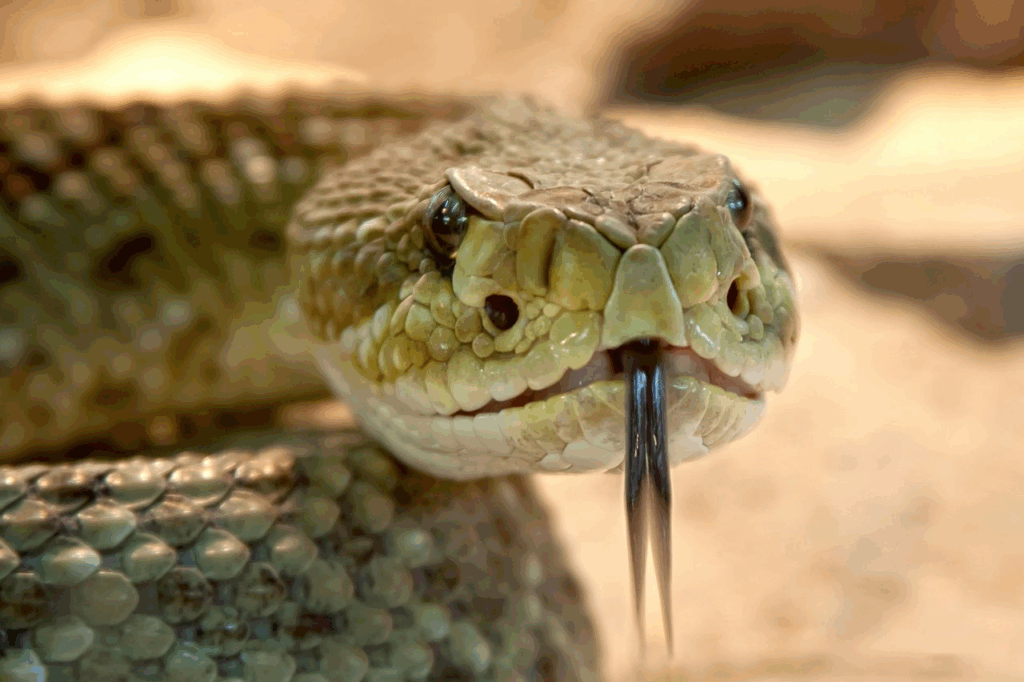
Human Development Is Splitting Snake Populations
A 15-year study of eastern massasauga rattlesnakes in Michigan has revealed that urbanization and human activity are driving the reptiles into inbreeding, threatening their long-term survival.
The findings, published in the journal Proceedings of the National Academy of Sciences (PNAS), show how infrastructure like roads, farmland, and development projects fragment snake populations, preventing them from traveling to find unrelated mates.
Why Rattlesnakes Stay Local
Massasauga rattlesnakes are deeply tied to their home ranges. Born in wetlands, they rarely leave their natal grounds except to hunt or reproduce. But when barriers such as highways or agricultural land slice through their habitat, populations become isolated pockets with little opportunity for genetic diversity.
“They’re very vulnerable to even minor disturbances to their habitat. Even a single road can isolate populations,” said Sarah Fitzpatrick, a Michigan State University professor and senior author of the study.
How the Study Was Conducted
Researchers from Michigan State University collected over 1,000 snakes from two counties in southwest Michigan—Cass and Barry—over 15 years. They extracted DNA from blood samples of 1,056 individuals to analyze genetic variation and relatedness.
The results were alarming:
- Inbred rattlesnakes were 13% less likely to produce surviving offspring.
- They also had a 12% lower annual survival rate compared to less inbred snakes.
“The fact that we’re detecting problems from inbreeding in these populations is concerning, given that many other populations throughout the Midwest are much smaller and even more fragmented,” Fitzpatrick added.
What Is Inbreeding Depression?
The biological phenomenon known as inbreeding depression occurs when animals from the same genetic pool reproduce, increasing the likelihood of harmful mutations.
Although scientists have long suspected inbreeding in wild reptiles, proving it has been challenging, especially in elusive species like rattlesnakes. This study provides rare direct evidence that isolation is eroding their reproductive success.
Why It Matters
The eastern massasauga rattlesnake is already listed as a threatened species in the United States. Reduced survival and reproduction could push fragmented populations closer to extinction.
Lead author Meaghan Clark, an MSU graduate student, called the findings grim:
“This is a grim scenario for rattlesnakes, who are already a threatened species. The reptiles are unable to survive because of the inbreeding, and also face reproductive issues.”
Conservation Implications
The study underscores how infrastructure development—even seemingly small projects, can have outsized effects on wildlife. Conservationists warn that without wildlife corridors or protected wetlands to reconnect populations, rattlesnakes and other species will continue to decline.
It also highlights a broader lesson: biodiversity loss isn’t only about habitat destruction; it’s also about genetic bottlenecks that quietly weaken species over generations.