
Quick Summary
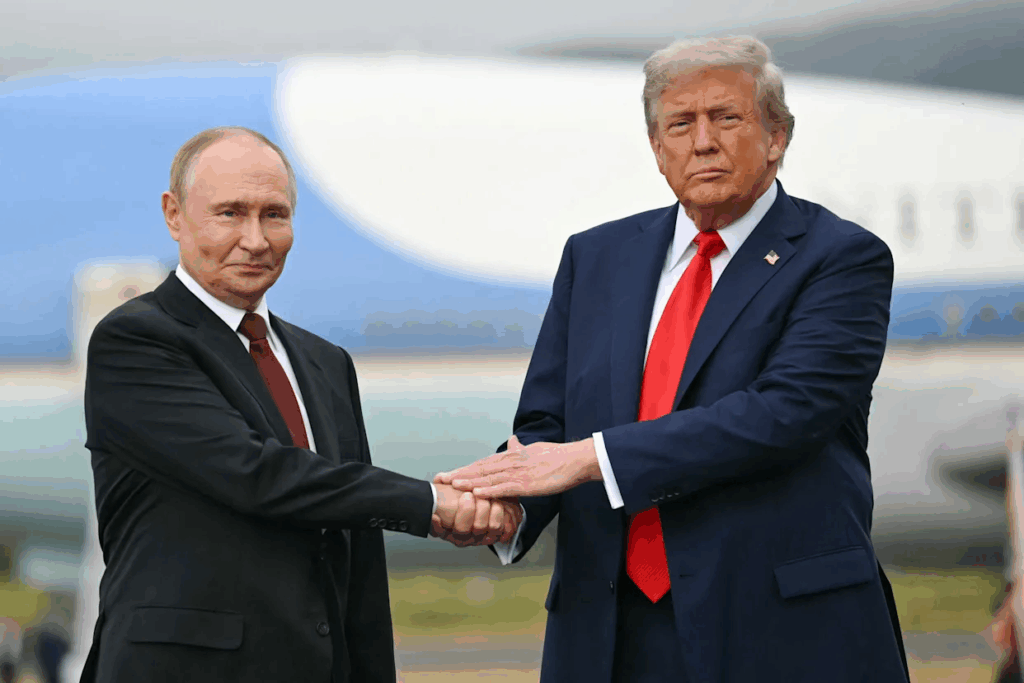
The recent Trump-Putin summit in Alaska sparked a wave of online conspiracy theories, with many on social media insisting that the Vladimir Putin seen at the meeting was not the real Russian president but a body double. The viral claims focus on supposed differences in Putin’s height, walk, and facial expressions, igniting debates about political subterfuge, security protocols, and the power of viral speculation in high-stakes diplomacy.
Why Did Conspiracy Theories About a Putin Body Double Erupt After the Alaska Summit?
Social Media Amplifies Every Gesture
Within hours of the Trump-Putin meeting in Alaska, X (formerly Twitter) and other social platforms exploded with speculation. Observers shared side-by-side photos and video clips highlighting:
- Perceived changes in Putin’s gait compared to his signature “gunslinger walk” (a motion where his right arm remains stiff)
- Variations in his jawline, neck dimples, posture, and energy level
- A smile or facial expressions rare for the usually stoic leader
- Differences in accent and vocal delivery during brief remarks
These posts went viral, with some users referencing long-standing rumors about Putin’s use of body doubles for public events—rumors that have circulated since his rise to power.
How Have Such Rumors About Putin’s Identity Surfaced in the Past?
The Long History of “Body Double” Claims
Questions about the authenticity of public appearances by powerful leaders are nothing new. In Putin’s case:
- Allegations of doubles have surfaced during past health scares, long absences, or before risky trips abroad.
- Russian government sources have always denied such claims, often mocking them as Western or opposition propaganda.
- Analysts note that such theories often spike around high-stakes diplomatic moments or when security concerns are heightened.
What Are the Arguments Supporting and Debunking the Alaska Body Double Theory?
Evidence Cited by Believers
Supporters of the body double theory point to:
- Height or build that appears subtly different in photos
- A less energetic demeanor or hesitancy in public gestures
- Minute facial discrepancies, such as bumps or dimples, in images
- The practicality of such a ruse for security, given Putin’s known caution and “paranoia” about personal safety
Counterpoints from Experts
Skeptics and experts suggest:
- Lighting, camera angles, stress, and age can dramatically alter someone’s appearance
- Facial recognition and behavioral biometrics used by state security make impersonation extremely risky
- No credible evidence—such as leaks, whistleblower accounts, or official confirmations—has ever corroborated such claims
- High-level summits are attended by experienced journalists and multiple heads of state, making deception difficult to sustain
In past interviews, Putin himself and Kremlin spokespeople have dismissed double rumors, and no reputable international outlet has verified the Alaska claims.
What Did Putin and Trump Say About the Ukraine War at the Summit?
The body double rumors overshadowed the actual political content of the Trump-Putin meeting, which addressed key global issues—most notably the Russia-Ukraine conflict.
- At the closing press conference, Putin argued that if Trump had led the US in 2022, the Ukraine war “would not have started,” reiterating a popular claim in both Russian and US political spheres.
- Trump maintained he could have prevented conflict escalation had he been president at the time.
- Such statements are likely to fuel additional headlines, but their substance remains subject to diplomatic realities and historical debate.
Why Are These Theories So Persistent and What Can We Learn?
The Psychology of High-Profile Doubles
Persistent claims about leader body doubles reveal more than paranoia:
- They reflect genuine anxieties about power, transparency, and the risks facing controversial global figures.
- In complex security environments, even the faintest hint of substitution can spiral into media frenzies, especially when fueled by viral social media platforms.
- Historical instances—such as Saddam Hussein’s rumored doubles—keep such ideas firmly in the public imagination.
The Alaska incident is a study in how political theater, digital virality, and the culture of suspicion shape modern perception.