
What happened on Delta flight 71?
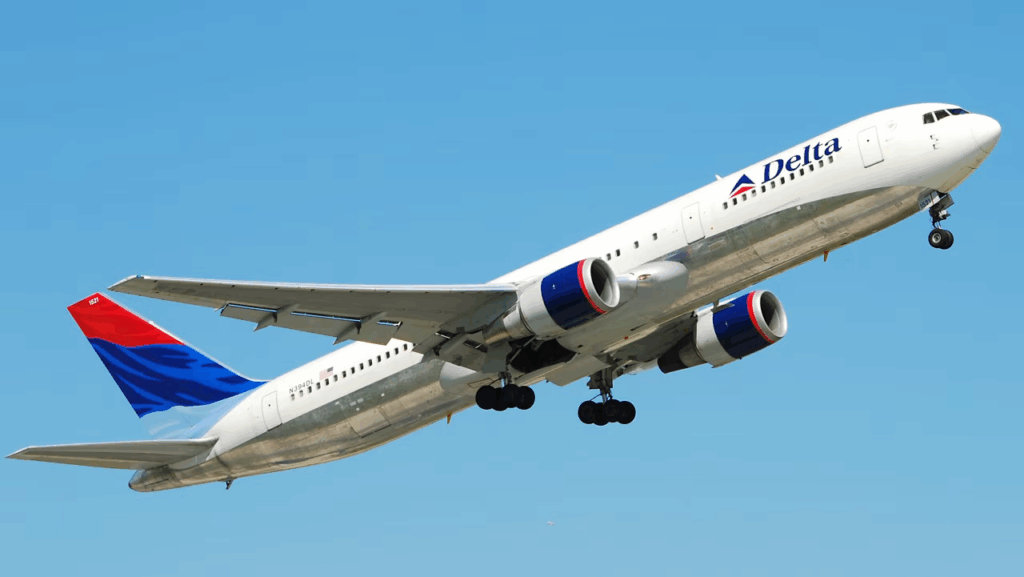
A Delta Air Lines flight en route from Salt Lake City to Amsterdam was forced to make an emergency landing in Minneapolis on Wednesday, July 30, after it was hit by severe mid-air turbulence. The incident resulted in injuries to 25 passengers and crew members, all of whom were taken to local hospitals for evaluation and treatment.
The Airbus A330-900 aircraft, operating as Delta Flight 71, encountered unexpected turbulence over the Midwest region before diverting to Minneapolis–St. Paul International Airport (MSP). Emergency medical teams were on standby when the flight landed and immediately began assessing the condition of those on board.
How severe were the injuries?
As of Thursday morning, officials have not publicly disclosed the extent or nature of the injuries. However, all 25 injured passengers were hospitalized as a precaution, which indicates the turbulence may have caused serious physical trauma, including possible head injuries, broken bones, or internal bruising, common in severe turbulence cases.
The Federal Aviation Administration (FAA) has opened an investigation into the incident, and Delta is reportedly cooperating fully with authorities.
What caused the turbulence?
While turbulence is a common experience in air travel, severe turbulence, especially the kind that results in multiple injuries—is relatively rare.
According to Delta’s official statement, “Turbulence is rare but can be unpredictable.” Sudden turbulence often occurs without warning and can be caused by:
- Jet streams: Narrow bands of strong wind in the upper atmosphere.
- Clear-air turbulence (CAT): Occurs without visual indicators like clouds or storms.
- Mountain waves: Air disturbances caused by flying over mountain ranges.
- Thunderstorms can generate strong updrafts and downdrafts.
Weather radar and flight tracking data will be reviewed by federal investigators to determine the exact cause and location of the turbulence.
What is Delta doing in response?
Delta has activated its Delta Care Team, a dedicated support unit that assists passengers and their families following traumatic travel events. In a public statement, the airline emphasized its commitment to passenger safety:
“Safety is our No. 1 value at Delta, and our Delta Care Team is working directly with customers to support their immediate needs.”
The airline also acknowledged the swift response by emergency crews at Minneapolis airport and expressed gratitude for their assistance.
How common are turbulence-related injuries?
Turbulence is responsible for most weather-related aviation injuries, but serious cases like this remain rare. According to a 2021 FAA study:
- On average, 58 passengers per year in the U.S. suffer serious injuries due to turbulence.
- Flight attendants are the most at risk, followed by unbelted passengers.
- Clear-air turbulence accounts for over 40% of all turbulence-related incidents.
The incident underscores the importance of always wearing a seatbelt when seated, even if the “fasten seatbelt” sign is off.
Why this matters for passengers and airlines
The Delta mid-air turbulence incident highlights the unpredictability of atmospheric conditions and reinforces key safety recommendations:
- Passengers should keep seatbelts fastened whenever seated, not just during takeoff and landing.
- Airlines must improve real-time weather tracking and turbulence forecasting through satellite data and AI-powered systems.
- FAA and airline industry collaboration is essential to ensure that crews are trained to handle rare but dangerous weather phenomena.
With climate change driving more extreme weather patterns, including stronger jet streams and increased atmospheric instability, experts say turbulence-related incidents could become more frequent in the coming years.
Next steps and investigation
The FAA has confirmed that an investigation is underway. This will likely include:
- Analyzing flight data and cockpit voice recorders.
- Reviewing communications between the flight crew and air traffic control.
- Examining meteorological conditions at the time of the incident.
If mechanical failure or procedural error is found to be a contributing factor, Delta could face additional scrutiny or regulatory action.