
How a simple Halloween joke became a viral political commentary
The White House’s official Halloween post on X (formerly Twitter) took social media by storm this week, blurring the line between humor and political messaging. What started as a light-hearted “choose wisely” meme featuring President Donald Trump, Vice President JD Vance, and Democratic leaders Chuck Schumer and Hakeem Jeffries quickly spiraled into one of the funniest and most discussed moments in recent political social media history.
Within hours, the post had drawn thousands of reactions, memes, and jokes, with users calling it “some of the funniest content ever posted by an official account.” The playful jab sparked conversations about how the administration uses humor to shape public perception, and whether the internet’s reaction reflects deeper shifts in political communication.
What was in the White House Halloween post?
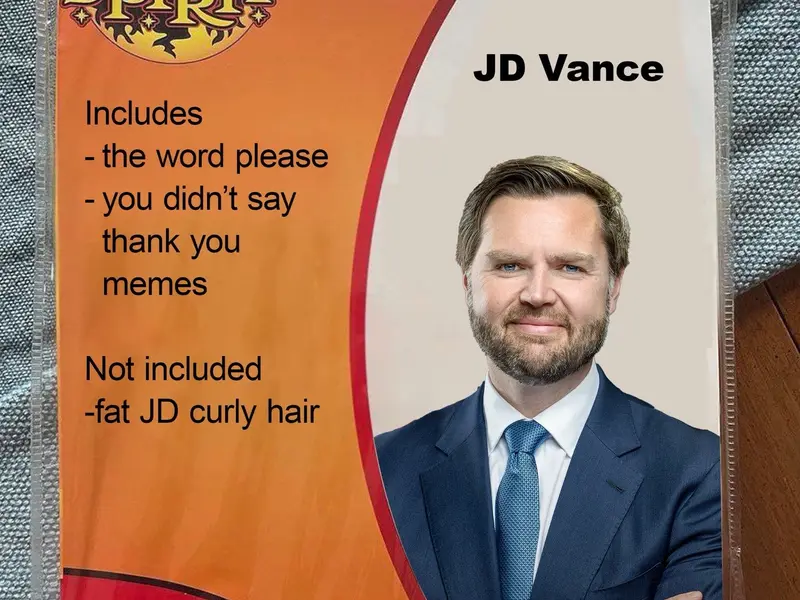
The viral post included four digitally altered images showing major political figures dressed up for Halloween: President Trump, Vice President JD Vance, Senate Majority Leader Chuck Schumer, and House Minority Leader Hakeem Jeffries.
The caption, “Choose wisely,” encouraged followers to pick their “favorite look,” transforming the post into an instant meme template.
- JD Vance’s look, described by users as “Fat JD with curly hair,” parodied his February 2025 encounter with Ukrainian President Volodymyr Zelensky, where Vance publicly criticized Zelensky for “a lack of gratitude.”
- The image of Schumer and Jeffries played on their perceived rivalry with the Trump administration while still maintaining a tongue-in-cheek tone.
- President Trump’s costume reportedly leaned into self-aware humor, a rare moment of levity from an administration often known for its combative online presence.
Why social media users couldn’t stop talking about it
Reactions to the post poured in from all corners of X. One user wrote, “Never thought the actual White House X account would be some of the funniest content on the platform.” Another added, “It’s hard to stay apolitical when y’all are dropping hardcore Insta-classics like this.”
Humor aside, the post drew significant engagement because it marked a shift in tone. The White House’s social accounts have traditionally projected authority, not irony. But under Trump’s second term, the administration’s online presence has become bolder and often more meme-savvy.
The Halloween post followed a string of similar attempts by official agencies to humanize their messaging, from the CDC’s “Zombie Preparedness” campaign to NASA’s “Space Halloween” series. Yet this instance stood out for how directly it mocked political figures, including allies and opponents alike.
The deeper message: Humor as a political weapon
Behind the laughter, the post underscores a larger trend, the politicization of humor. Modern political communication increasingly relies on memes, visual jokes, and irony to connect with younger voters.
Three key dynamics make this approach effective:
- Virality drives visibility. Funny, shareable content reaches audiences who might otherwise ignore official statements.
- Humor lowers defenses. People are more likely to engage with political messages if they’re wrapped in entertainment.
- Irony reframes power. By joking about themselves and rivals, political actors appear relatable, even when they’re advancing subtle narratives.
This tactic isn’t unique to the U.S. In the U.K., for instance, the Prime Minister’s office occasionally posts playful GIFs or cultural references. In Ukraine, President Zelensky, a former comedian, has built an entire brand around humor and resilience.
The White House’s Halloween post fits squarely within this global evolution of political communication: serious messages delivered through unserious means.
Why JD Vance became the center of meme culture
JD Vance, the Ohio senator turned vice president, has often been at the center of online conversations, both for his sharp rhetoric and viral moments. The “Fat JD with curly hair” meme drew from his February confrontation with Zelensky, when Vance accused the Ukrainian leader of showing insufficient gratitude for U.S. aid.
That moment made him a lightning rod for both criticism and parody. The Halloween image played off that tension, showing how Vance’s persona, once defined by political seriousness, has become internet meme material.
In essence, the White House’s post turned a controversial figure into a punchline, showing the administration’s willingness to lean into humor rather than avoid it.
Public response: laughter, politics, and polarization
While many online users celebrated the post’s creativity, others criticized it as unprofessional for a government account. Some argued that official communication should remain neutral and avoid “mocking” opponents, especially given rising political polarization.
Still, the numbers speak for themselves. Engagement on the post, likes, reposts, and comments, far exceeded the average for White House content. The strategy worked, whether viewed as satire or savvy digital marketing.
This mirrors a broader trend in American politics: the transformation of governance into entertainment. From press briefings to campaign ads, politicians increasingly rely on humor to command attention in a fragmented media environment.
Why it matters
The viral Halloween post wasn’t just about costumes, it highlighted how political communication is evolving in the digital age. Humor, irony, and visual storytelling now serve as tools of persuasion and identity-building.
For the White House, posts like these can:
- Strengthen engagement among younger, social media driven audiences.
- Humanize leadership figures who are often seen as distant or polarizing.
- Set the narrative agenda by controlling the tone of online discourse.
However, the risk is that humor can blur the line between entertainment and governance. When political institutions adopt meme culture, they may gain virality, but lose a measure of seriousness.
The takeaway
The White House’s Halloween post shows that even the most powerful institutions are adapting to the internet’s language: humor, memes, and irony. It’s a sign that modern politics isn’t just fought in debates or legislation but in viral moments that shape public perception in seconds.
Whether you found it hilarious or inappropriate, one thing is certain: the post proved that the White House understands the modern attention economy better than ever before.