Newly released federal documents have revived one of the most troubling questions surrounding Jeffrey Epstein: How much suffering could have been prevented if authorities had acted sooner? A fresh tranche of records from the US Department of Justice confirms that the FBI received a detailed complaint in 1996 warning about Epstein’s interest in child porn—years before his crimes became public knowledge. The allegation, raised by a former employee, went nowhere. The consequences of that inaction would ripple for decades.
This article breaks down what the newly released files reveal, why the warning was ignored, and why the revelations matter now.
What Do the Newly Released Epstein Files Reveal?
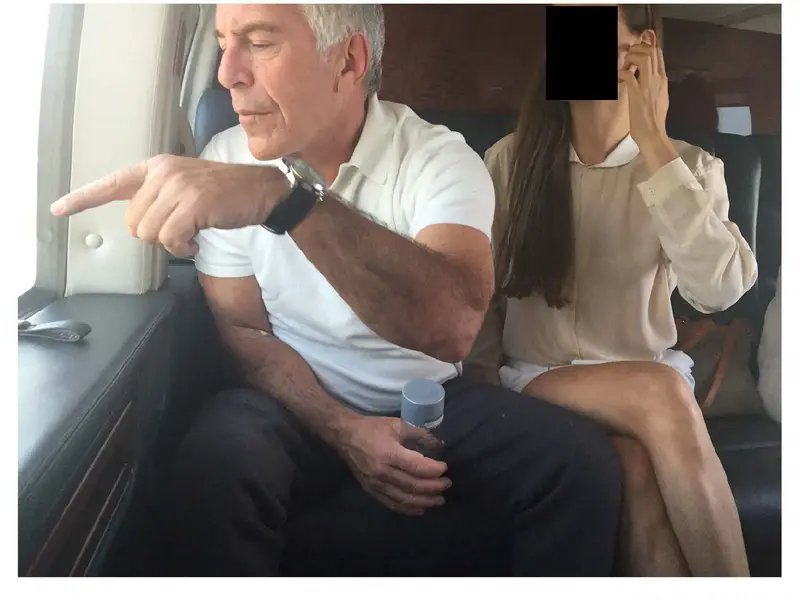
After months of political pressure and public campaigning, the US Department of Justice released a limited portion of the so-called “Epstein Files” on December 20. The documents include internal memos, photographs, and—most notably—a handwritten FBI report that corroborates a complaint first made in 1996.
What’s new in this release?
- Confirmation that the Federal Bureau of Investigation received a report alleging Epstein’s involvement with child porn.
- Evidence that the complaint came from a named individual, not an anonymous tip.
- Documentation that the report was logged but never meaningfully pursued.
While many files remain heavily redacted to protect victims’ identities, critics argue the secrecy also shields powerful figures who crossed paths with Epstein.
Who Is Maria Farmer and Why Her Complaint Matters
The woman behind the 1996 complaint is Maria Farmer, an artist who worked for Epstein in the mid-1990s. For years, Farmer publicly stated that she warned federal authorities about Epstein—but without proof, her claims were often doubted.
What the FBI report confirms
According to the newly surfaced document:
- Farmer told investigators that Epstein stole nude photographs she had taken of her two younger sisters, aged 16 and 12, for her artwork.
- The report notes that Epstein allegedly kept both the photos and their negatives.
- Farmer said Epstein pressured her to photograph other young girls, including at swimming pools.
- Epstein allegedly threatened to burn her house down if she disclosed the existence of the images.
Farmer has said she heard nothing back from the FBI for nearly a decade.
Why this changes the historical record
Until now, the FBI never publicly acknowledged receiving Farmer’s report. The confirmation undercuts years of official silence and validates survivor accounts that were dismissed or minimized.
Why Didn’t the FBI Act in 1996?
The documents do not provide a clear explanation for why the complaint stalled. That absence has become the center of renewed scrutiny.
Possible factors investigators are now questioning
- Jurisdictional confusion: Epstein moved frequently between states and countries.
- Resource prioritization: Child exploitation cases in the 1990s often lacked a dedicated federal focus.
- Influence and access: Epstein’s wealth and elite connections may have discouraged aggressive pursuit.
- Institutional failures: Poor follow-up procedures and a lack of accountability for dropped leads.
None of these explanations excuses the inaction. They do, however, illustrate how systemic weaknesses can enable serial abuse.
How This Failure Shaped the Epstein Timeline
The ignored 1996 complaint predates every major public milestone in the Epstein case.
Key moments that came later
- 2005–2006: Local police in Florida begin investigating Epstein.
- 2008: Epstein secures a controversial plea deal, serving just 13 months with work release.
- 2019: Epstein is arrested on federal sex trafficking charges.
- 2019: Epstein dies in jail while awaiting trial.
Had the FBI pursued Farmer’s allegations in 1996, Epstein’s access to victims—and his ability to intimidate them—could have been curtailed years earlier.
Why the DOJ Release Is Drawing Criticism
Although the DOJ met part of its disclosure obligation, transparency advocates say the release falls short of the intent behind the Epstein Files Transparency Act.
Main points of criticism
- Heavy redactions obscure not just victims’ names but also potential enablers.
- The DOJ missed its 30-day deadline for full disclosure.
- Lawmakers argue that victim protection is being used as a blanket justification to withhold accountability.
Some of the released photos show Epstein alongside well-known figures, including Bill Clinton, though no new allegations are made in the documents themselves.
Why These Revelations Matter Now
The significance of the 1996 complaint goes beyond Epstein himself.
What’s at stake
- Institutional accountability: Did federal agencies fail to act on credible evidence?
- Survivor trust: Delayed action reinforces fears that reporting abuse is futile.
- Policy reform: The case highlights gaps in how child exploitation complaints are handled.
This moment has reignited calls for:
- Independent review of the FBI’s handling of early Epstein complaints.
- Clearer standards for escalating allegations involving minors.
- Greater transparency when investigations involve powerful individuals.
What Questions Remain Unanswered?
Despite the new documents, major gaps persist:
- Who reviewed Farmer’s complaint inside the FBI?
- Why was no follow-up investigation launched?
- Were other warnings similarly ignored?
- Will additional unredacted files ever be released?
Until those questions are addressed, the Epstein case will remain a symbol of how systems can fail the most vulnerable.
TL;DR
- Newly released DOJ documents confirm the FBI received a detailed complaint about Jeffrey Epstein in 1996.
- The complaint, filed by Maria Farmer, warned of child pornography and threats—but was ignored.
- The failure to act may have allowed years of continued abuse.
- Critics say ongoing redactions protect powerful figures more than victims.
- The revelations renew calls for accountability, transparency, and reform.