
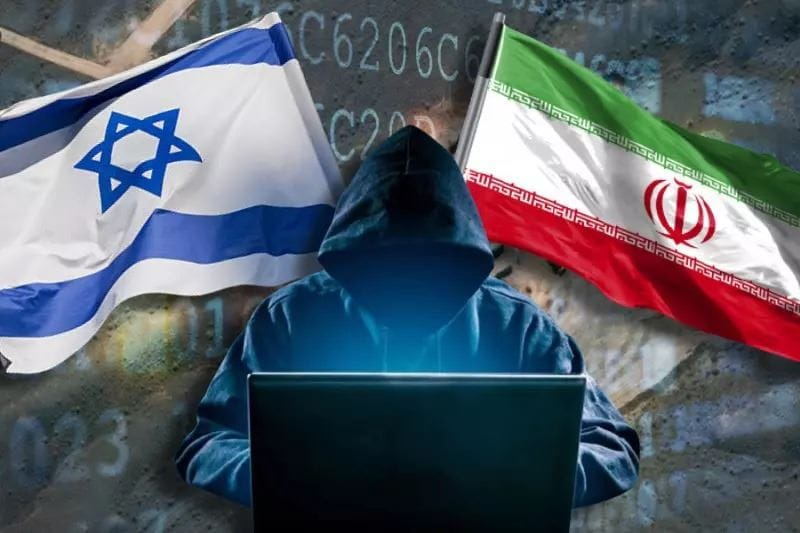
A new cyberespionage campaign targeting Israelis has emerged during a tense period of military conflict in the Middle East. Cybersecurity researchers say hackers impersonated the Israel Defense Forces to trick civilians into installing spyware disguised as a safety app.
The attack highlights how digital warfare increasingly mirrors traditional battlefields. Instead of missiles or drones, the weapon here was a fake emergency alert application designed to quietly harvest sensitive data from smartphones.
Security experts say the campaign exploits public trust in emergency warning systems, particularly during periods of heightened security threats when people are more likely to install safety-related apps.
What is the cyberespionage campaign targeting Israelis?
The campaign involves hackers sending text messages to Israeli civilians while pretending to represent the Israel Defense Forces’ Home Front Command.
The messages urge recipients to download an updated version of a popular “Red Alert” Android application. The legitimate version of the app is widely used in Israel to warn residents about incoming rocket attacks and missile strikes.
Because Israelis rely heavily on such alerts during conflicts, the request appears credible. However, according to cybersecurity researchers, the link in the message leads to a malicious version of the app.
Once installed, the fake application deploys spyware designed to monitor the user’s device and transmit sensitive information back to the attackers.
This strategy combines social engineering with malware distribution, a technique frequently used by espionage groups to bypass traditional security defenses.
How the malicious app installs spyware
The spyware embedded in the fake Red Alert app is designed to quietly gather large amounts of personal data from the infected device.
According to a report from Swiss cybersecurity company Acronis, the malware can extract multiple types of sensitive information.
Data the spyware can steal
The malicious application reportedly collects:
• Exact GPS location of the user
• Text messages stored on the device
• Saved passwords
• Contact lists
• Other data stored on the smartphone
Because the spyware runs in the background, victims may not notice anything unusual. Meanwhile, the attackers gain a steady stream of intelligence from infected devices.
Why smartphone spyware is valuable
Modern smartphones contain an enormous amount of personal and strategic information. For intelligence groups, compromising a phone can reveal:
• Communication networks
• Movement patterns
• Personal relationships
• Potential military or government contacts
If the infected device belongs to a soldier, government worker, or defense contractor, the intelligence value can increase dramatically.
Security researchers say these kinds of attacks are becoming more common because smartphones have effectively become portable intelligence hubs.
Who is behind the operation?
The hackers behind the campaign are believed to be linked to a group known as Arid Viper.
Arid Viper is widely regarded by cybersecurity analysts as a long-running cyberespionage operation that focuses heavily on Middle Eastern targets.
Past activities linked to Arid Viper
The group has previously been accused of targeting:
• Israeli soldiers
• Government officials
• Activists in Egypt
• Individuals in Palestinian territories
In earlier campaigns, Arid Viper used tactics such as fake social media accounts, phishing messages, and malicious apps to gain access to victims’ devices.
Researchers describe the group as a well-funded and technically capable threat actor, suggesting it may operate with some level of institutional backing or strategic support.
While attribution in cyber operations is always complex, analysts say the group’s tactics and infrastructure strongly resemble earlier Arid Viper campaigns.
Why emergency alert systems are attractive targets
One of the most concerning aspects of the attack is the choice of disguise. By posing as an official military emergency system, the hackers exploited a trusted piece of public safety infrastructure.
Security researchers say that during wartime or national emergencies, people are far more likely to download apps or follow instructions that promise safety updates.
How attackers exploit trust
Emergency services often distribute information quickly through text messages, social media alerts, or mobile apps. Hackers take advantage of that urgency.
Common tactics include:
• Sending fake government alerts
• Distributing malicious versions of official apps
• Impersonating military or civil defense agencies
• Exploiting fear during active conflicts
According to the Acronis report, the campaign demonstrates how critical public infrastructure can be manipulated during geopolitical crises.
This tactic also lowers suspicion because the request appears consistent with normal wartime communication.
Why cyberattacks against Israel are increasing
The cyberespionage campaign comes amid rising tensions between Israel and Iran.
Hostilities escalated after U.S. and Israeli forces launched airstrikes on Iranian targets on February 28. Those attacks were followed by additional Israeli strikes on March 4 that reportedly targeted military sites in eastern Tehran, including a cyber-warfare command center.
Since then, several hacker groups believed to be aligned with Iran have claimed responsibility for cyberattacks on Israeli companies and government agencies.
So far, most of these attacks appear to focus on espionage, disruption, or psychological pressure rather than major infrastructure damage.
Cyberwarfare is now part of modern conflict
Digital attacks are increasingly used alongside traditional military operations.
Cyber campaigns can serve several strategic purposes:
• Gathering intelligence about military movements
• Disrupting communications systems
• Undermining public confidence
• Conducting propaganda or psychological operations
Compared with conventional warfare, cyberattacks are relatively inexpensive and difficult to attribute with certainty. That combination makes them an appealing tool for governments and affiliated groups.
How users can protect themselves from fake security apps
Security experts recommend taking extra precautions when installing apps during periods of crisis or emergency alerts.
Key precautions
• Only download apps from official app stores such as Google Play
• Verify that the developer name matches the legitimate organization
• Avoid installing apps directly from links in text messages
• Check official government websites before downloading security tools
• Keep smartphones updated with the latest security patches
Users should also be cautious about granting extensive permissions to apps that request access to messages, contacts, or location data.
Organizations also play a role
Governments and cybersecurity agencies must also improve communication strategies to prevent similar attacks.
Possible measures include:
• Public awareness campaigns during conflicts
• Official verification channels for government apps
• Faster removal of malicious apps from app stores
• Collaboration with telecom providers to detect phishing campaigns
Why this cyberespionage campaign matters
The attack underscores a broader shift in how conflicts are fought in the digital age.
Cyber operations increasingly target civilians because personal devices often provide indirect access to government networks, military personnel, and sensitive information.
It also highlights how trusted technology can become a vulnerability when adversaries exploit fear and urgency during crises.
As geopolitical tensions intensify, cybersecurity experts expect similar campaigns to become more frequent and more sophisticated.
In other words, the next battlefield may not just be airspace or territory. It may also be the smartphone in someone’s pocket.
TL;DR
Hackers posing as Israel Defense Forces officials launched a cyberespionage campaign by distributing a fake version of the Red Alert Android app. The malicious application installs spyware capable of stealing location data, messages, passwords, and contacts. Researchers believe the operation is linked to the Arid Viper hacking group, which has previously targeted Israeli soldiers and Middle Eastern civilians. The campaign highlights how cyberwarfare increasingly exploits trusted emergency systems during periods of conflict.