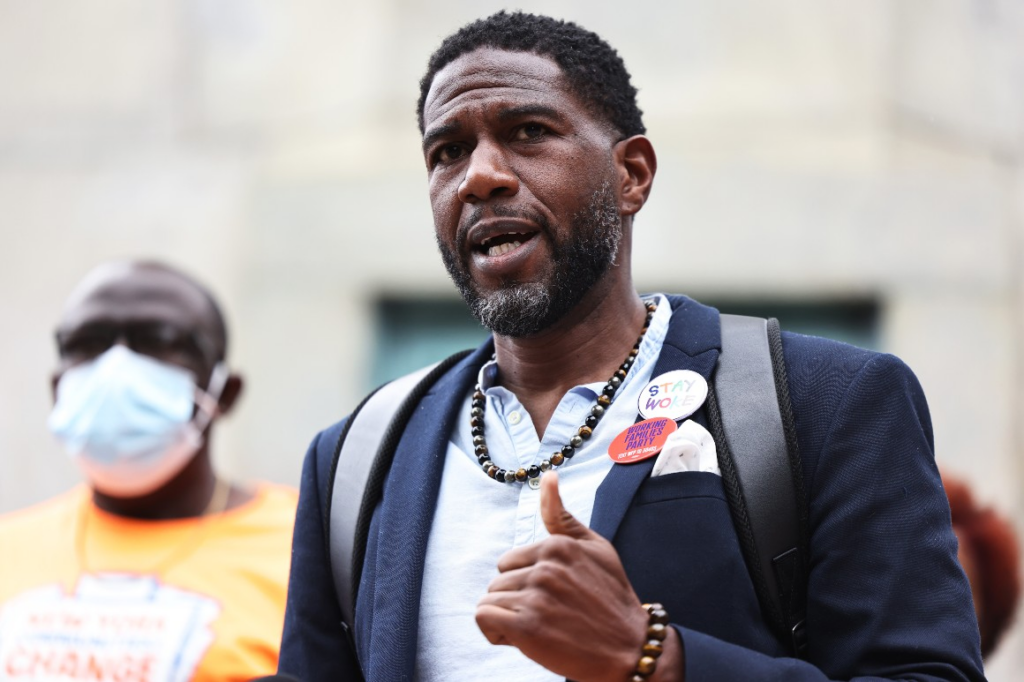
Jumaane D. Williams was sworn in again as New York City’s Public Advocate on Thursday, reaffirming his role as one of the city’s most vocal progressive leaders. First elected in a 2019 special election, Williams has built his public career around police accountability, housing justice, and equity in city governance. His re-election in November 2025 signals continued support for his brand of grassroots-driven politics at a time when New York faces deep challenges around affordability, safety, and trust in public institutions.
The ceremony marked more than a procedural milestone. It underscored Williams’ growing influence in city politics and renewed debates over how aggressively New York should pursue systemic reform.
Who Is Jumaane D. Williams?
Jumaane D. Williams was born on May 11, 1976, and raised in Brooklyn. Long before entering citywide office, he became known as a community organiser and advocate for social justice.
Early Political Career
Williams began his political career representing Brooklyn’s 45th District on the New York City Council, where he served from 2010 to 2019. His tenure was marked by a focus on:
- Police accountability
- Tenant rights and housing stability
- Gun violence prevention
- Community-based public safety
He gained citywide recognition as a consistent progressive voice willing to challenge both city agencies and political leadership when he believed communities were being overlooked.
What Does the Public Advocate Do?
The Public Advocate is New York City’s second-highest elected official after the mayor. The role includes:
- Acting as a watchdog over city agencies
- Introducing legislation in the City Council
- Handling constituent complaints
- Serving as a check on mayoral power
- First in line to succeed the mayor if the office becomes vacant
While the position does not carry executive authority, it wields significant influence through investigations, reports, and public pressure.
Why Williams’ Re-Election Matters
Williams was first elected public advocate in 2019, winning a crowded special election. He was re-elected in November 2025, signaling sustained voter support for his approach.
His political identity is notable: Williams openly identifies as a democratic socialist, a label that still sparks debate in New York’s political landscape.
At his swearing-in ceremony, he said:
“The reason New Yorkers have so little… is because of the systems entrenched at the top. That’s where we should focus our energy.”
The comment reflects a central theme of his tenure, challenging structural inequality rather than focusing only on surface-level reforms.
Jumaane Williams’ Key Policy Priorities
1. Police Reform and Accountability
One of Williams’ most influential contributions came during his time on the City Council, when he sponsored the Community Safety Act of 2013.
The legislation:
- Expanded protections against racial profiling
- Strengthened oversight of the NYPD
- Created clearer avenues for civilian complaints
As Public Advocate, Williams has continued pushing for transparency, accountability, and alternatives to traditional policing.
2. Affordable Housing and Tenant Protections
Housing affordability remains one of New York City’s most pressing issues. Williams has consistently supported:
- Stronger tenant protections
- Rent stabilisation measures
- Anti-eviction policies
- Increased oversight of landlords
He has also criticized what he sees as overreliance on private developers without sufficient safeguards for working-class residents.
3. Gun Violence Prevention
Williams has been a longtime advocate for community-based gun violence prevention programs. Rather than focusing solely on law enforcement, he has emphasized:
- Mental health services
- Youth outreach
- Community investment
- Violence interruption programs
He frequently argues that public safety begins with stable housing, employment, and education—not just policing.
A Look at His Personal Life
Jumaane Williams married India Sneed on July 15, 2021, in a ceremony held at Fort Hamilton in Brooklyn, followed by a reception at The W Loft in Williamsburg. The event included several prominent figures from New York’s political scene.
The couple has spoken openly about their fertility struggles. In a 2021 interview with PIX11 News, Williams said:
“Whatever I’m going through, it probably doesn’t compare to what she is going through physically and mentally.”
Their openness has resonated with many New Yorkers who appreciate public figures speaking candidly about personal challenges.
Public Reaction and Political Context
Williams’ return to office comes at a time when New York City faces mounting pressure on multiple fronts:
- Rising cost of living
- Housing shortages
- Concerns over public safety
- Debates over policing and criminal justice reform
Supporters view him as a necessary counterweight to entrenched political interests. Critics, meanwhile, argue that his approach can be overly ideological or confrontational.
Still, his continued electoral success suggests his message resonates with a significant portion of the city’s voters.
What Comes Next for Jumaane Williams?
Looking ahead, Williams is expected to:
- Continue pushing for housing reform legislation
- Expand oversight of city agencies
- Advocate for equity-driven budget priorities
- Play a vocal role in debates over policing and public safety
Some political observers also see him as a potential future mayoral or statewide candidate, though he has not publicly confirmed any such plans.
Why His Swearing-In Matters Beyond New York
Williams’ leadership reflects a broader national shift toward progressive urban governance. His focus on structural inequality, tenant rights, and police reform mirrors debates playing out in cities across the U.S.
As urban centers grapple with post-pandemic recovery, affordability crises, and trust in institutions, figures like Williams are shaping how local government responds.
TL;DR
- Jumaane D. Williams was sworn in again as NYC Public Advocate.
- He was first elected in 2019 and re-elected in November 2025.
- Known for his progressive views, he focuses on police reform, housing, and equity.
- Previously served on the NYC Council from 2010–2019.
- His leadership continues to influence debates on public safety and social justice in New York.