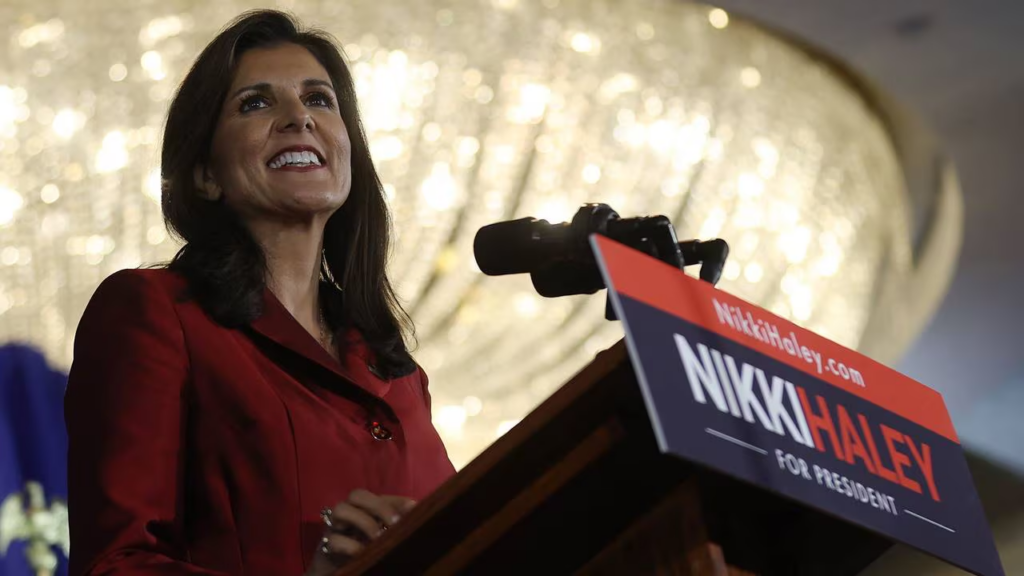
A fresh geopolitical flashpoint is taking shape after former U.S. Ambassador to the United Nations Nikki Haley claimed that a vessel intercepted by the U.S. Navy was carrying materials tied to Iran’s missile program—and originated from China.
The allegation adds a new dimension to already tense U.S.-Iran relations, pulling Beijing into the narrative. But as with many early-stage security claims, the facts remain partial and still developing.
What Did Nikki Haley Claim About the Seized Vessel?
Nikki Haley, a prominent Republican and former U.S. envoy, said in a post on X that:
- The seized ship was traveling from China to Iran
- It was linked to chemical shipments used in missiles
- The vessel refused repeated orders to stop
She also used the incident to underscore a broader point: that China is, in her view, supporting Iran’s regime in ways that should concern the international community.
Why Her Claim Matters
Haley’s statement carries weight for two reasons:
- Her diplomatic background—she previously represented the U.S. at the UN and has been vocal on Iran policy
- The China angle—which, if substantiated, could widen the geopolitical stakes beyond U.S.-Iran tensions
However, her claims have not been independently verified by official U.S. disclosures at the time of reporting.
What Do We Know About the Vessel ‘Touska’?
The ship at the center of the controversy has been identified as the Touska, an Iranian-flagged container vessel.
Key Known Details:
- Reportedly linked to the Islamic Republic of Iran Shipping Lines (IRISL)
- IRISL has been under U.S. sanctions since 2019
- The vessel was boarded by U.S. forces near Chabahar port in the Gulf of Oman
- Ship-tracking platforms like MarineTraffic confirm its recent movement from Asia
Why IRISL Is Significant
The U.S. government has long accused IRISL of:
- Acting as a logistics network for sanctioned Iranian entities
- Facilitating shipments tied to missile and military programs
What Is the U.S. Saying About the Cargo?
According to U.S. security sources cited by Reuters:
- The vessel may have been carrying “dual-use materials”
- These include items that can serve both civilian and military purposes
Examples of Dual-Use Materials:
- Industrial metals
- Specialized pipes
- Electronic components
What’s Still Unknown
- The exact contents of Touska’s cargo
- Whether the materials were definitively intended for missile development
- Any confirmed link to chemical weapons or missile fuel components
This distinction is critical. Dual-use materials are not illegal by default—they become problematic based on intent and end use.
How Has Iran Responded?
Iran has strongly condemned the U.S. action.
Official Reaction:
- Called the interception “armed piracy”
- Confirmed the vessel had departed from China
- Warned of consequences for ongoing diplomatic talks
Tehran has also indicated it may skip upcoming negotiations in Islamabad unless what it describes as a “blockade” is lifted.
Why This Escalates Tensions
Labeling the action as piracy signals:
- A potential legal and diplomatic confrontation
- Increased risk of retaliatory measures in the region
- Further strain on already fragile U.S.-Iran dialogue channels
Is There Evidence of China’s Involvement?
This is where the situation becomes more complex—and less clear.
What Haley Claims:
- China is actively supporting Iran’s regime
- The Touska shipment is another example of that support
What’s Verified:
- The ship reportedly departed from China
- No official U.S. statement has confirmed state-level Chinese involvement
Why This Matters
If proven, Chinese involvement could:
- Escalate tensions between Washington and Beijing
- Trigger secondary sanctions or trade consequences
- Complicate global diplomatic alignments
But without confirmation, the China angle remains an allegation, not established fact.
Why the Strait of Hormuz and Gulf of Oman Matter
The interception occurred near one of the world’s most critical maritime corridors.
Strategic Importance:
- Roughly 20% of global oil trade passes through nearby waters
- It’s a chokepoint for energy security and global shipping
- Military presence from multiple countries makes it a high-risk zone
Any incident here—especially involving seizures—can have ripple effects on:
- Oil prices
- Shipping insurance costs
- Regional military posture
What’s the Bigger Picture?
This incident sits at the intersection of three major global tensions:
1. U.S.–Iran Rivalry
- Longstanding conflict over nuclear and missile programs
- Ongoing sanctions and military posturing
2. China’s Global Role
- Increasing economic and strategic ties with Iran
- Scrutiny from the U.S. over indirect support
3. Maritime Security
- Rising frequency of ship seizures and inspections
- Legal gray areas around enforcement in international waters
What Should Readers Watch Next?
As the story develops, key questions remain:
- Will the U.S. release evidence of the cargo contents?
- Will China respond to Haley’s allegations?
- Will Iran follow through on its threat to disengage from talks?
- Could this incident lead to new sanctions or military escalation?
TL;DR
- Nikki Haley claims a seized ship from China to Iran carried missile-related materials.
- The vessel, Touska, is linked to a sanctioned Iranian shipping network.
- U.S. sources say it may have carried “dual-use” goods—but details are unclear.
- Iran has condemned the seizure as “armed piracy.”
- China’s involvement is alleged but not confirmed.