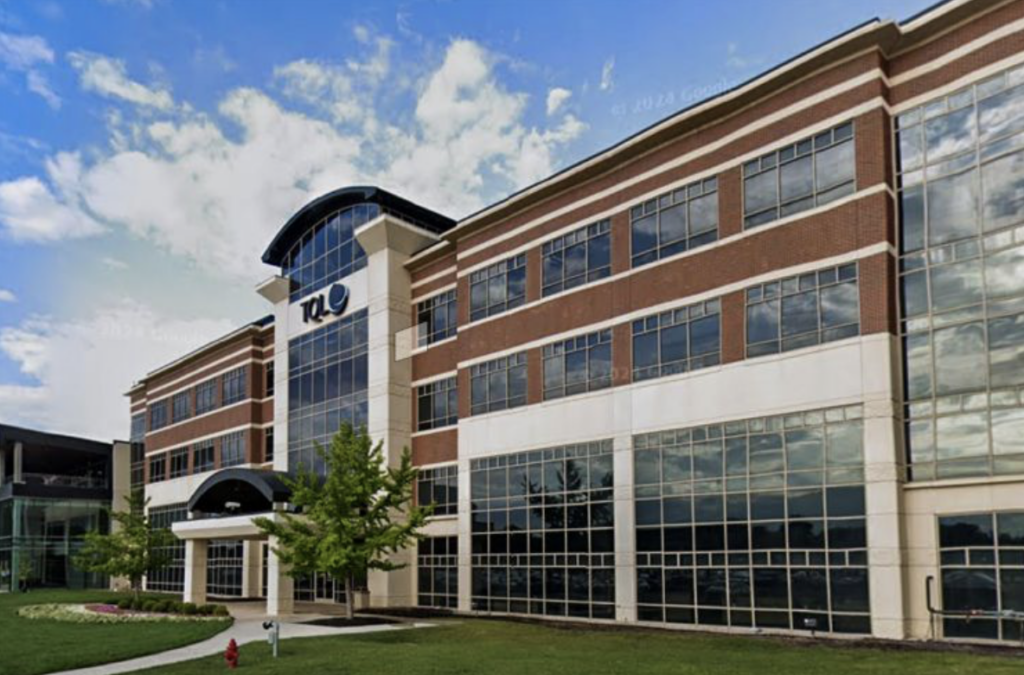
A jury in Ohio has ordered Total Quality Logistics to pay $22.5 million in damages after a tragic case involving a pregnant employee and the death of her newborn daughter.
At the center of the lawsuit is a decision that now raises broader questions about workplace flexibility, medical accommodations, and employer responsibility in high-risk pregnancies.
What happened in the TQL newborn death case?
The case revolves around Chelsea Walsh, who was experiencing a high-risk pregnancy in early 2021.
A request backed by medical advice
- Walsh had undergone a procedure to prevent early labor
- Her doctors advised strict limitations on physical activity
- She formally requested to work from home on February 15, 2021
According to court findings, the request was medically necessary, not optional.
The company’s response
TQL denied the request and presented two options:
- Return to the office
- Take unpaid leave, risking income and health coverage
Faced with limited choices, Walsh returned to work on February 22, against medical advice.
What led to the newborn’s death?
Just days after returning to the office, events took a devastating turn.
Timeline of the incident
- February 24: Walsh went into premature labor
- She delivered her daughter, Magnolia, more than 18 weeks early
- The baby showed signs of life after birth
- Magnolia died approximately 90 minutes later
Notably, the company approved her remote work request only hours before labor began.
What did the jury decide?
A Hamilton County jury found a direct link between the company’s actions and the outcome.
Key findings
- TQL’s denial of remote work contributed to the premature birth
- The company was held 90% responsible
- Damages were set at $22.5 million (reduced from an initial $25 million award)
The lawsuit was filed on behalf of Magnolia’s estate as a wrongful death claim.
Legal perspective
Attorneys representing the family argued that:
- The request to work from home was reasonable and medically justified
- Denying it created an avoidable risk
- That risk ultimately resulted in the infant’s death
How did TQL respond?
The company expressed sympathy but challenged the verdict.
Official stance
- TQL extended condolences to the family
- It stated disagreement with how facts were presented in court
- The company is evaluating potential legal options
Despite the ruling, TQL maintains it supports employee health and well-being.
Why this case matters beyond one company
This case lands at the intersection of workplace policy and medical necessity.
1. The limits of workplace flexibility
Remote work is often framed as a convenience. This case reframes it as a potential health safeguard under certain conditions.
It raises a key question:
- When does denying remote work become a legal liability?
2. Employer obligations in high-risk pregnancies
Employers may be required to:
- Consider reasonable accommodations
- Weigh medical advice seriously
- Avoid forcing employees into unsafe choices
Failure to do so can carry significant legal consequences.
3. The evolving legal landscape
Cases like this could influence:
- Future workplace accommodation policies
- Interpretation of employee protection laws
- Corporate risk management strategies
Could this change how companies handle WFH requests?
Potentially, yes.
Likely ripple effects
- More cautious handling of medically supported remote work requests
- Increased legal consultation in HR decisions
- Expanded documentation requirements for accommodation denials
For companies, the message is clear: decisions around employee health are not just operational, they are legal.
TL;DR
- A jury ordered TQL to pay $22.5M in a wrongful death case
- The company denied a pregnant employee’s medically advised WFH request
- She returned to work, went into premature labor, and her newborn died
- The jury found TQL 90% responsible
- The case could reshape how companies approach workplace accommodations