
Donald Trump’s latest push for the Nobel Peace Prize has reignited a global debate about what “peace leadership” truly means. With recent ceasefire efforts in the Middle East and new diplomatic overtures in conflict zones, Trump’s supporters argue he deserves a place among the few U.S. presidents who have earned the world’s highest peace honor. Critics, however, see the campaign as premature and politically charged.
TL;DR:
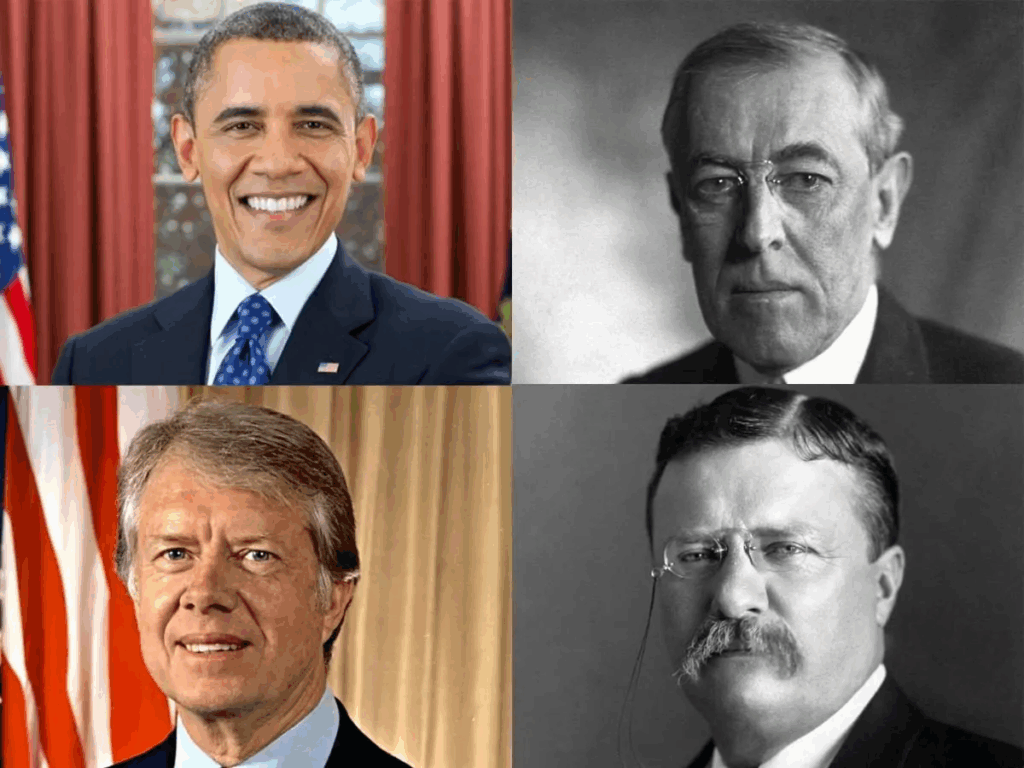
Trump’s nomination for the 2025 Nobel Peace Prize follows renewed claims of diplomatic breakthroughs, but history suggests that winning requires more than bold moves. Only four U.S. presidents, Theodore Roosevelt, Woodrow Wilson, Jimmy Carter, and Barack Obama, have earned the award, each for long-term, institution-building peace efforts rather than short-term deals.
What the Nobel Peace Prize Really Recognizes
The Nobel Peace Prize, awarded annually in Oslo, honors individuals or organizations that “have done the most or the best work for fraternity between nations, for the abolition or reduction of standing armies, and for the holding and promotion of peace congresses.”
In practice, that means the Nobel Committee looks beyond grand gestures or symbolic photo ops. It rewards sustained contributions, peace architectures, reconciliation efforts, human rights leadership, and enduring diplomatic results that outlast any single political term.
Historically, the Committee favors leaders who build consensus rather than leverage personal charisma or nationalism. That tradition makes Trump’s nomination both intriguing and controversial.
U.S. Presidents Who Have Won the Nobel Peace Prize
Only four American presidents have ever won the Nobel Peace Prize. Their legacies reflect different eras of diplomacy and definitions of peace.
Here’s a snapshot of how they earned it:
| President | Year Awarded | In or Out of Office | Why They Won |
|---|---|---|---|
| Theodore Roosevelt | 1906 | In office | For mediating the Russo-Japanese War and advancing arbitration as a peaceful solution. |
| Woodrow Wilson | 1919 | In office | For founding the League of Nations and advancing the post–World War I peace framework. |
| Jimmy Carter | 2002 | Post-presidency | For decades of human rights work and mediation through the Carter Center. |
| Barack Obama | 2009 | In office | For his early commitment to nuclear disarmament and multilateral diplomacy, though awarded early in his term. |
Each of these laureates demonstrated sustained engagement in diplomacy or humanitarian work. Even Obama, who received the award within his first year, had a global reputation for rebuilding alliances and advocating for non-proliferation.
Trump’s case, in contrast, hinges on specific deals and short-term outcomes, a pattern that differs sharply from Nobel precedent.
Why Trump Is Being Nominated Now
Trump’s current nomination was formally submitted by the Foreign Minister of Malta in late 2025, citing his role in recent ceasefire negotiations between Israel and Hamas, as well as peace agreements in the Caucasus region involving Armenia and Azerbaijan.
Supporters highlight several key developments:
- Middle East ceasefire diplomacy: Trump was credited by allies with helping broker a framework for a Gaza ceasefire and prisoner exchange.
- Peace efforts in Eastern Europe: His representatives reportedly helped open communication channels between rival regional governments.
- Advocacy for political prisoners: He has recently urged the release of prisoners in Belarus and received public praise from certain Nobel laureates.
To Trump’s base, these moves reaffirm his claim to being a dealmaker capable of “ending endless wars.” The narrative fits neatly with his past boasting that his Abraham Accords between Israel and Arab states “should have already won him the Nobel.”
The Challenges Facing Trump’s Nobel Hopes
Despite the publicity, several structural and political realities make Trump’s path to the Nobel Peace Prize exceedingly narrow.
1. The Deadline Problem
The nomination deadline for the 2025 prize closed on January 31. Most of Trump’s recent ceasefire activity took place months later, which means it cannot formally influence this year’s deliberations. That alone makes a 2025 win unlikely.
2. Durability Over Drama
The Nobel Committee historically rewards results that reshape systems or create long-term peace frameworks. Analysts note that Trump’s peace deals often depend on personal influence, making them fragile once political winds shift.
3. Reputation and Polarization
A Nobel award is as much about symbolism as substance. Trump’s polarizing legacy—marked by domestic unrest, institutional challenges, and deep international divisions—runs counter to the prize’s ideal of moral leadership and global unity.
4. Campaigning Backlash
The Nobel Committee tends to frown upon active “campaigns” for the prize. Trump’s public promotion of his own nomination risks appearing self-serving, potentially alienating committee members who value discretion and humility.
5. The Nobel Committee’s Independence
By all accounts, the Committee sealed its decision weeks before the latest wave of speculation. Even if Trump’s efforts prove durable, they may influence future years rather than 2025.
Comparing Trump’s Record with Past Laureates
To understand why Trump’s candidacy divides observers, it helps to look at how his approach compares with the presidents who actually won.
| Criteria | Past U.S. Laureates | Trump’s Approach |
|---|---|---|
| Longevity | Multi-year or post-office efforts spanning decades. | Mostly within single-term, episodic negotiations. |
| Scope | Multilateral, institutional reforms (e.g., League of Nations, peace treaties). | Bilateral, transactional agreements. |
| Moral Image | Rooted in humanitarian or diplomatic consistency. | Marred by controversies and nationalist rhetoric. |
| Outcome Stability | Enduring (Carter Center, disarmament treaties). | Often reversed or contested after his term. |
| Nobel Alignment | Fits Nobel’s ethos of cooperative globalism. | Challenges global institutions and norms. |
This comparison underscores why analysts view Trump’s bid as an outlier in Nobel history. It’s not that he hasn’t contributed to peace efforts—it’s that his brand of diplomacy often runs counter to the collaborative spirit the Nobel Prize celebrates.
What the Nobel Committee Values Most
Since 1901, the Norwegian Nobel Committee has been guided by Alfred Nobel’s will, which emphasizes promoting fraternity between nations. In practice, this has evolved to include:
- Reducing armament and nuclear risk
- Protecting human rights and democracy
- Promoting dialogue and reconciliation
- Supporting humanitarian action during conflict
Winners like Nelson Mandela, the International Campaign to Ban Landmines, and the UN’s World Food Programme exemplify this balance of vision, sacrifice, and endurance.
Trump’s diplomacy, while headline-grabbing, often centers on negotiation tactics rather than structural peace-building—something the Committee has rarely rewarded.
Global Reaction: Polarized but Predictable
Reactions to Trump’s nomination mirror the global divide he’s long inspired.
- Supporters call it overdue recognition for a leader who “made history by brokering peace deals others couldn’t.”
- Critics counter that his record on democracy, climate, and alliances disqualifies him from the honor.
- European analysts point out that a Trump Nobel could politicize the Prize, undermining its moral credibility.
The Nobel Institute itself remains silent, maintaining its rule against commenting on nominations. Still, leaks and speculation have dominated political coverage leading up to the announcement.
What Happens Next
The 2025 Nobel Peace Prize will be announced in Oslo. Whether Trump wins or not, the moment will mark a defining intersection of politics, perception, and peace narrative.
If history is any guide, the Committee may again opt for a less polarizing figure—possibly a humanitarian organization, a women’s peace movement, or a regional coalition working quietly behind the scenes.
But Trump’s campaign has already succeeded in one respect: it has forced the world to revisit what “peace” means in an age of populism and spectacle.