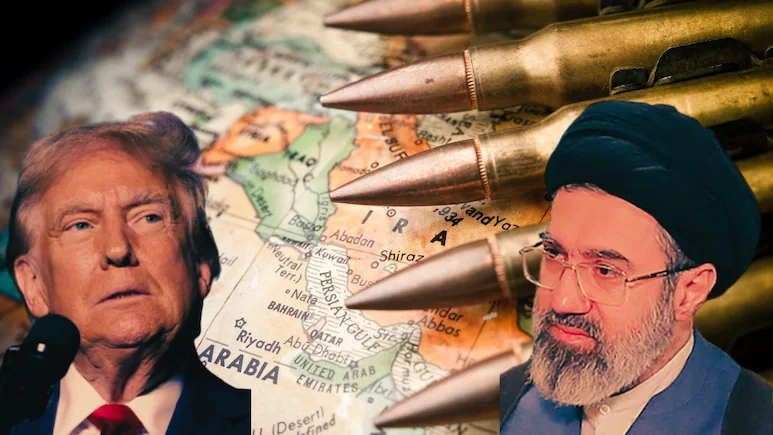
A decades-old newspaper ad by Donald Trump is back in circulation, and it’s raising uncomfortable, timely questions. In 1987, Trump spent nearly $100,000 on full-page ads criticizing U.S. foreign policy in the Persian Gulf. Today, as tensions with Iran escalate into open conflict, the themes in that ad feel strikingly familiar.
But is this resurfacing just political nostalgia, or does it reveal a consistent worldview shaping current events? Trump 1987 Ad and Iran War: What’s the Link?
What Did Trump Say in His 1987 Advertisement?
In September 1987, Donald Trump took out full-page ads in major U.S. newspapers, including The New York Times, The Washington Post, and The Boston Globe. The message was blunt: America was spending too much defending wealthy allies.
Key Arguments From the Ad
Trump’s ad—titled “There’s nothing wrong with America’s foreign defense policy that a little backbone can’t cure”—focused on several core points:
The U.S. was protecting oil shipments it didn’t need
American taxpayers were footing the bill for wealthy nations like Japan and Saudi Arabia
Allies were not contributing enough to their own defense
The U.S. was being taken advantage of economically and militarily
One of the most quoted lines captured the tone:
“We are protecting ships we don’t own, carrying oil we don’t need, destined for allies who won’t help.”
Trump's 1987 Newspaper Advertisement on Gulf Security, Strait of Hormuz: —Coincidence or Clue? pic.twitter.com/QH9z6HnSeD
At the time, the U.S. Navy was escorting oil tankers through the Strait of Hormuz during the Iran-Iraq War. The region was volatile, with attacks on commercial shipping threatening global oil supply.
Trump’s frustration wasn’t just about strategy, it was about cost-sharing and perceived imbalance.
Why Is the 1987 Ad Relevant Today?
Fast forward to 2026, and the geopolitical stage looks eerily similar.
The Strait of Hormuz is once again a flashpoint
Iran is accused of targeting shipping and energy infrastructure
The U.S. is considering—or already providing—naval escorts
Global oil markets are on edge
The resurfacing of Trump’s ad is drawing attention because the same core issues are back.
A Consistent “America First” Throughline
Even in 1987, Trump’s position reflected what would later become a defining political doctrine:
Reduce U.S. financial burden abroad
Push allies to pay more for defense
Question long-standing military commitments
These ideas later became central to his presidency, and are now influencing how the current Iran conflict is being framed.
What’s Happening in the Strait of Hormuz Today?
The Strait of Hormuz remains one of the world’s most critical energy chokepoints. Roughly 20% of global oil supply passes through it.
Why It Matters
Disruptions can spike global oil prices overnight
Shipping risks can halt supply chains
Insurance and freight costs surge during conflict
Recent reports suggest:
Merchant vessels are being targeted or delayed
Oil and gas infrastructure in the Gulf faces renewed threats
Several countries are relying on diplomatic channels to move shipments
Has Trump’s Position on Iran Changed Since 1987?
Then: Aggressive but Transactional
In 1987, Trump suggested a hardline approach toward Iran, including retaliatory strikes and even seizing strategic assets like oil facilities if U.S. interests were threatened.
But his broader argument wasn’t about endless engagement, it was about making others pay for protection.
Now: Similar Tone, Higher Stakes
In 2026, Trump’s rhetoric appears to echo that earlier stance:
Calls for strong military responses to threats
Emphasis on protecting global shipping routes
Continued criticism of allies’ contributions
However, the stakes today are far greater:
A multi-country conflict risk
Direct impact on global energy markets
Increased involvement of major powers like China and India in diplomacy
Are U.S. Allies Responding Differently This Time?
One notable shift in 2026 is hesitation from traditional allies.
Then vs. Now
1987:
U.S. largely led Gulf security efforts
Allies depended heavily on American protection
2026:
Some allies are reportedly less willing to rely on U.S. guarantees
Others are pursuing independent or diplomatic routes
Trust dynamics appear more complex
This shift could reflect broader geopolitical changes, including multipolar power structures and evolving alliances.
Is There a Direct Connection Between 1987 and 2026?
Not a Blueprint, But a Pattern
It would be inaccurate to say Trump’s 1987 ad directly caused or predicted today’s Iran conflict. However, it does reveal a long-standing strategic mindset.
The Throughline:
Skepticism of U.S. global policing
Focus on economic cost-benefit
Willingness to use force, but selectively
In that sense, the ad acts less like a prophecy and more like a policy preview.
What Does This Mean for Global Energy and Security?
The renewed tension in the Strait of Hormuz has immediate global consequences:
Economic Impact
Oil prices can become volatile
Inflation risks rise globally
Energy-importing countries face supply uncertainty
Strategic Impact
Increased naval presence in the Gulf
Greater role for non-Western powers in mediation
Potential reshaping of energy trade routes
Where Does Diplomacy Stand Right Now?
Recent developments suggest mixed signals:
The U.S. has proposed a multi-point peace plan
Iran has reportedly denied active negotiations
Military and diplomatic tracks are running in parallel
This creates uncertainty, not just about the outcome, but about the end goal of the conflict.
Why This Story Matters
The resurfacing of Trump’s 1987 ad isn’t just a historical curiosity. It highlights how long-held beliefs can shape present-day policy decisions—especially in moments of crisis.
It also underscores a bigger reality:
Global conflicts don’t emerge in isolation. They often reflect decades of evolving ideas, strategies, and tensions.
TL;DR
Trump’s 1987 ad criticized U.S. spending on Gulf security for wealthy allies
The same issues—oil routes, Iran tensions, burden-sharing—are back in 2026
His core stance appears consistent: reduce U.S. costs, demand more from allies
The Strait of Hormuz remains a critical global chokepoint
The connection isn’t direct—but the pattern is hard to ignore