
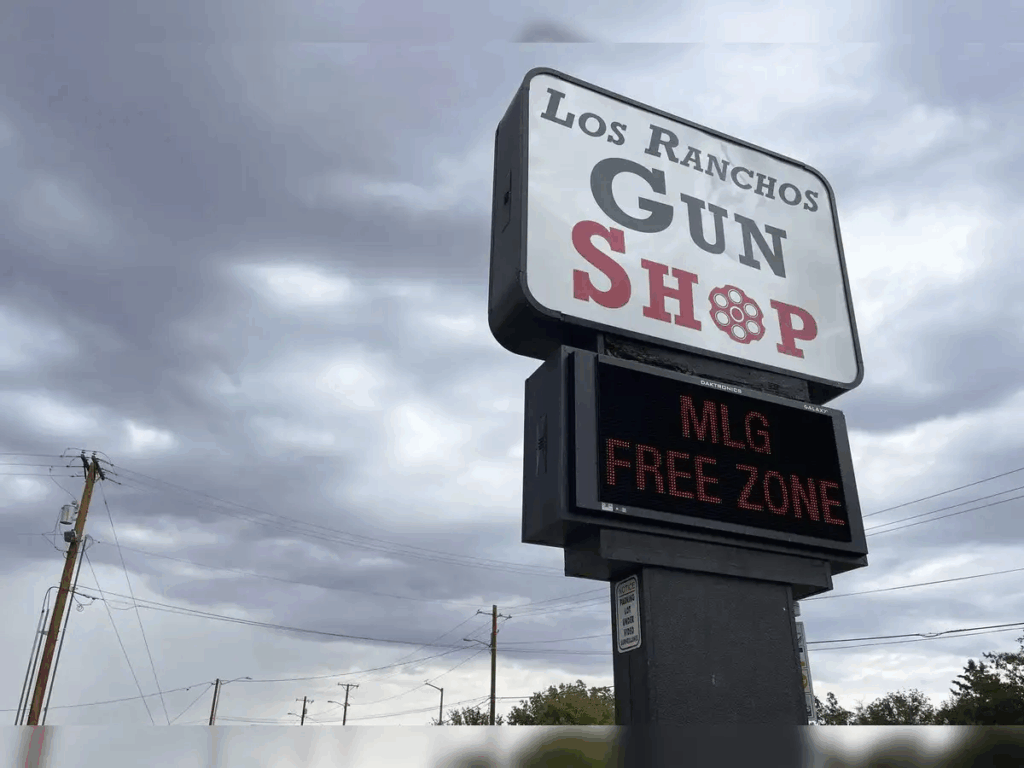
What sparked the debate on a transgender gun ban?
The US Justice Department is weighing proposals that could prohibit transgender people from purchasing firearms, according to multiple media reports. The discussion follows a mass shooting last week at a Catholic church in Minneapolis, where two children were killed and 17 others were injured. Homeland Security Secretary Kristi Noem confirmed that the suspect was identified as transgender, a fact that quickly pushed the debate into the spotlight.
The Justice Department, in a statement, emphasized that the talks remain preliminary. Officials said they are exploring ways to address patterns of violence among individuals with mental health or substance abuse challenges. No official proposal has yet been drafted, but the idea of linking transgender identity with firearm restrictions is raising immediate controversy.
Why is the proposal controversial?
Gun restrictions in the United States are already among the most contested policy areas. The Second Amendment protects the right to bear arms, though there are exceptions for people convicted of felonies or declared mentally unfit.
Layering restrictions based on gender identity could mark a new precedent in how identity categories intersect with constitutional rights. For many, the debate is not only about gun violence but also about civil liberties and discrimination.
- Gun rights advocates such as Gun Owners of America have already voiced opposition, stating on social media: “GOA opposes any & all gun bans. Full stop.”
- LGBTQ+ advocates argue that the move unfairly targets transgender individuals as a group, conflating identity with criminal behavior.
- Republican lawmakers, traditionally protective of gun rights, face a conflict between supporting conservative social policies and defending unrestricted firearm ownership.
How does this fit into Trump’s broader policy on transgender rights?
The proposal cannot be viewed in isolation. President Donald Trump has previously advanced executive orders restricting transgender participation in the military and mandating that government-issued identification be tied to “immutable biological classification.”
Taken together, the proposed gun restrictions would deepen a policy trajectory that seeks to limit transgender rights across multiple domains—military service, identity recognition, and now potentially firearm ownership.
For critics, this trajectory signals a targeted rollback of civil rights under the Trump administration. Supporters frame it as a matter of public safety and “restoring biological clarity” in law.
Could such a law withstand constitutional challenge?
Legal experts suggest that any blanket ban on transgender individuals owning guns would almost certainly face challenges under the Second Amendment and equal protection clauses.
Courts have previously upheld restrictions tied to criminal records or mental health status. However, linking gun rights to gender identity—without evidence that transgender identity itself correlates with violence—could be ruled unconstitutional.
Civil liberties groups would likely argue:
- Discrimination: Targeting a group based on identity violates the 14th Amendment.
- Lack of evidence: Existing research shows no inherent connection between being transgender and committing violence.
- Overbreadth: A blanket ban could punish law-abiding transgender gun owners who pose no risk.
Why does this debate matter now?
Mass shootings in the US continue to fuel policy discussions, but the framing of this proposal introduces a new dimension—tying violence prevention to gender identity.
This matters for several reasons:
- Policy precedent: If approved, it could open the door for other identity-based restrictions on constitutional rights.
- Electoral politics: With local and national elections approaching, the issue may mobilize both conservative and progressive voters.
- Public opinion: Surveys show Americans are divided on gun rights, but targeting transgender people could polarize the debate further.
What happens next?
At present, the Justice Department insists no specific legislative text has been drafted. Discussions remain internal, and sources describe them as exploratory. However, given Trump’s record and the political weight of the Minneapolis shooting, the administration may choose to advance a formal proposal.
If it does, the measure would likely face:
- Immediate legal challenges from civil rights groups.
- Resistance from gun rights organizations that typically support Trump but oppose any restrictions.
- Debate in Congress, where Republicans may be divided between social conservatism and constitutional originalism.
The bigger picture: balancing rights and safety
The debate over a transgender gun ban is not just about one community—it raises deeper questions about how far the government can go in restricting rights to prevent violence. It also highlights the difficulty of creating effective gun laws in a polarized political climate.
Rather than targeting identity categories, some experts argue that the focus should remain on strengthening background checks, red flag laws, and mental health services—tools already proven to reduce risk without discriminating against specific groups.