
Tl;dr
A growing number of US families are turning away from the traditional roasted turkey and instead adopting live birds through animal sanctuaries. These programs, popularized by organizations in Colorado, New York, Michigan, and California, allow families to sponsor rescued turkeys, fund their long-term care, and sometimes even meet them. The trend reflects shifting attitudes toward animal welfare and long-standing Thanksgiving traditions.
What does “adopting” a turkey for Thanksgiving mean?
“Adopting turkeys for Thanksgiving” refers to a donation-based sponsorship model run by animal sanctuaries across the US. Instead of buying a turkey to cook, families contribute funds to support a bird already rescued from slaughter or poor living conditions.
Sanctuaries typically offer:
- A photo and certificate of the adopted turkey
- Virtual or in-person visits
- Stories about the turkey’s personality or rescue
- Updates on how the donation is used for care, feed, and veterinary support
This model allows families to participate in the holiday in a more compassionate way while directly supporting farm animal welfare.
How did this Thanksgiving trend emerge?
Early beginnings in the 1980s
The concept dates back nearly four decades. Farm Sanctuary, based in New York and California, launched one of the first turkey adoption programs in 1986. At the time, the idea of “rescuing” farm animals confused many Americans. But slowly, the public embraced the message. Some years have seen hundreds of thousands of dollars raised through sponsorships.
This long history underscores how early animal advocacy has influenced today’s more mainstream conversations about humane food systems.
Why has interest surged recently
Adoption programs have expanded notably in the last five years due to:
- Increased awareness of factory farming conditions
- Viral social media posts featuring sanctuary animals
- Growing interest in plant-based lifestyles and cruelty-free holidays
- Families seeking new, meaningful holiday rituals
The COVID-19 era also played a role, prompting many households to reevaluate their priorities, including ethical consumer choices.
Why are families choosing adoption over tradition?
A shift in how people view turkeys
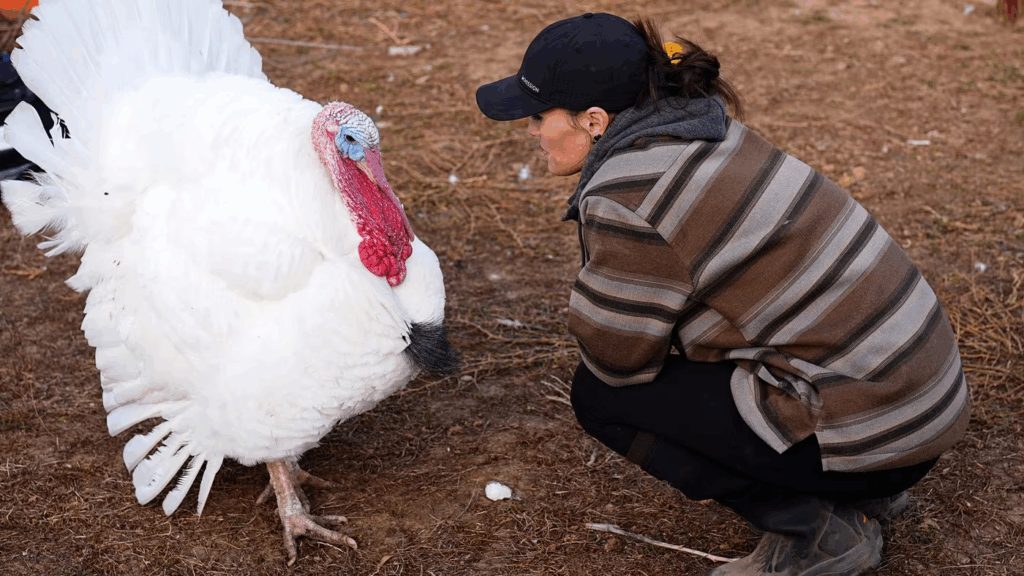
At sanctuaries like Luvin Arms in Colorado, every rescued turkey has a name, a personality profile, and a story. Gus, for example—a turkey pardoned by Colorado’s governor in 2023—spends his days wandering the sanctuary grounds, receiving hugs and “snuggles” from staff.
These personal connections challenge the idea of turkeys as faceless holiday centerpieces.
Turkeys are increasingly viewed as:
- Sentient beings
- Animals capable of affection and curiosity
- Birds with distinct traits, from talkative to shy
Sanctuary teams emphasize education. They want visitors to understand how factory farm breeding practices—designed to rapidly increase turkey weight—cause lifelong medical complications.
Ethical motivations
Most families who adopt turkeys for Thanksgiving cite:
- A desire to reduce harm to animals
- A wish to teach children empathy
- Discomfort with industrial farming
- An interest in eco-friendly or vegan lifestyles
For vegan families like the Parras, who have participated since 2021, the program is both a tradition and a conversation starter. It helps them show others that compassionate choices can be made even during a holiday centered on food.
How do Thanksgiving turkey adoption programs work?
What sanctuaries offer
Take Luvin Arms Animal Sanctuary as a leading example:
- Cost: $25 per sponsorship
- Perks: Certificate, photo, and virtual/in-person visit
- Growth: Sponsorships have doubled every year since 2022
- Impact: Funding for expanded outdoor space, rescue operations, feed, and costly vet care
Other sanctuaries—like Barn Sanctuary in Michigan—highlight each turkey’s personality. Staff know the birds by name: Lewis avoids crowds; Sabrina and Hilda eagerly greet visitors; Gus is known for being talkative.
This humanization is deliberate. By showcasing turkeys’ individuality, sanctuaries deepen emotional connections with supporters.
Where the money goes
Donations typically cover:
- Medical treatments
- Specialized diets
- Habitat upgrades
- Long-term housing
- Rescue missions to remove animals from harmful environments
Factories often raise turkeys to grow unnaturally fast, leading to joint problems, heart issues, and organ strain. Veterinary bills can run into the thousands—another reason sanctuaries depend heavily on seasonal fundraising.
What does this trend reveal about changing thanksgiving traditions?
Americans are rethinking what traditions mean
Thanksgiving has long been associated with turkey dinners, but many Americans now question whether the dish remains essential. As Gene Baur of Farm Sanctuary says, traditions evolve—especially when ethical or environmental concerns become central to public dialogue.
Adopting turkeys for Thanksgiving symbolizes:
- A shift toward mindful consumption
- Growing acceptance of alternative holiday rituals
- A blending of activism and celebration
- A cultural move toward sustainability and compassion
Sanctuary visits are a new form of holiday gathering
Some families spend Thanksgiving morning visiting their adopted turkey, turning the experience into a memory-building ritual comparable to volunteering or attending holiday events.
This addition doesn’t necessarily replace the traditional meal entirely; instead, it expands the meaning of the holiday.
What does the future of Thanksgiving look like?
As more sanctuaries report year-over-year growth, turkey adoption could become a mainstream holiday tradition—especially among younger generations who value sustainability and ethical living.
In the coming years, expect to see:
- More digital adoption programs
- Livestreamed sanctuary events
- School partnerships for humane education
- Expansion into year-round sponsorships
- Greater corporate support for animal welfare holidays
The trend also raises bigger questions about how Americans define celebration, gratitude, and compassion in an era of rapidly shifting values.