US charges two Chinese nationals for allegedly smuggling dangerous crop fungus
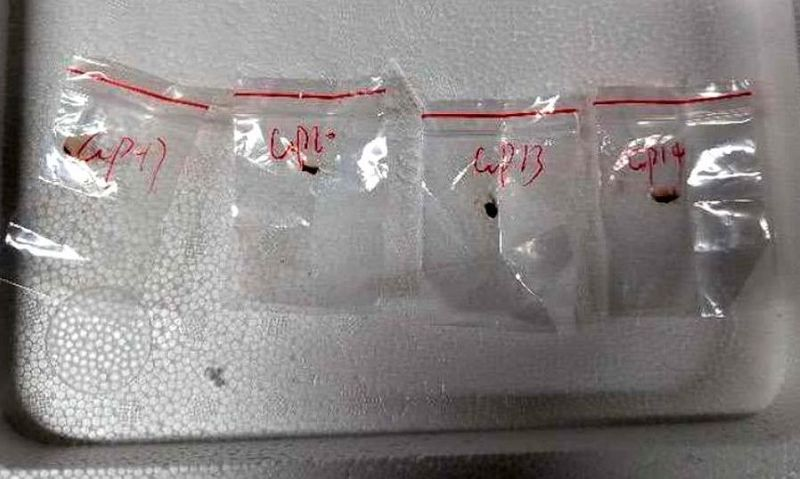
Two Chinese nationals, a woman and her boyfriend, are facing charges in the United States after allegedly smuggling a dangerous fungal pathogen, Fusarium graminearum, into the country. The pathogen was later found in a University of Michigan lab, where the woman was employed.
The US Department of Justice named the suspects as 33-year-old Yunqing Jian and 34-year-old Zunyong Liu. They have been charged with conspiracy, smuggling, providing false statements, and visa fraud.
Pathogen smuggled for research or agroterrorism?
According to the federal complaint, Jian brought the fungus into the US via Detroit Metropolitan Airport. While she initially denied the accusation, she later admitted to importing Fusarium graminearum for research purposes. Investigators found that she had received research funding from the Chinese government and had links to the Chinese Communist Party (CCP), including evidence of CCP loyalty on her devices.
Her boyfriend, Liu, was found to be affiliated with a Chinese university where he too was studying the same pathogen.
What is Fusarium graminearum?
Fusarium graminearum, also known as Fusarium graminearum Schwabe, is the primary cause of Fusarium head blight (FHB) in small grains and Gibberella ear and stalk rot in maize. It severely affects wheat, barley, maize, and rice, mainly in the US, Canada, China, and parts of Europe.
The fungus thrives in warm, humid environments and can lead to massive crop losses and reduced grain quality. According to the US Department of Justice, Fusarium graminearum is classified in scientific literature as a potential “agroterrorism” agent, capable of damaging agricultural systems deliberately.
A threat to crops and health
The fungus attacks wheat spikes between anthesis and the soft dough stages, producing damaged seeds that appear white and shriveled or look symptomless while still being contaminated with harmful mycotoxins.
In maize, the infection enters through silks or cob wounds, often resulting in a pink or reddish mold. Maize silks are most vulnerable between 2–6 days after emergence, with kernels remaining susceptible until physiological maturity.
The fungus produces deoxynivalenol (DON), a trichothecene mycotoxin that enables its spread by disrupting protein synthesis. DON damages plant cell structures including plasma membranes, ribosomes, and chloroplasts, often leading to plant death.
It also affects humans and animals — causing vomiting, liver issues, and reproductive problems.
How it works inside the plant
Fusarium graminearum invades host plants through natural openings like stomata, then spreads internally. It relies on enzymes — especially xylanolytic and glucanolytic, to break down cell walls. These enzymes are regulated by a MAPK (Mitogen-Activated Protein Kinase) signalling pathway.
The infection progresses from a biotrophic phase (feeding on live cells) to a necrotrophic phase (killing plant tissue), during which the fungus disables the plant’s natural defences. It also neutralises defence proteins and toxins, helping it colonise the host tissue more effectively.
With the case under investigation, concerns are growing over whether this biological breach could signal a deeper attempt to target US food security systems.