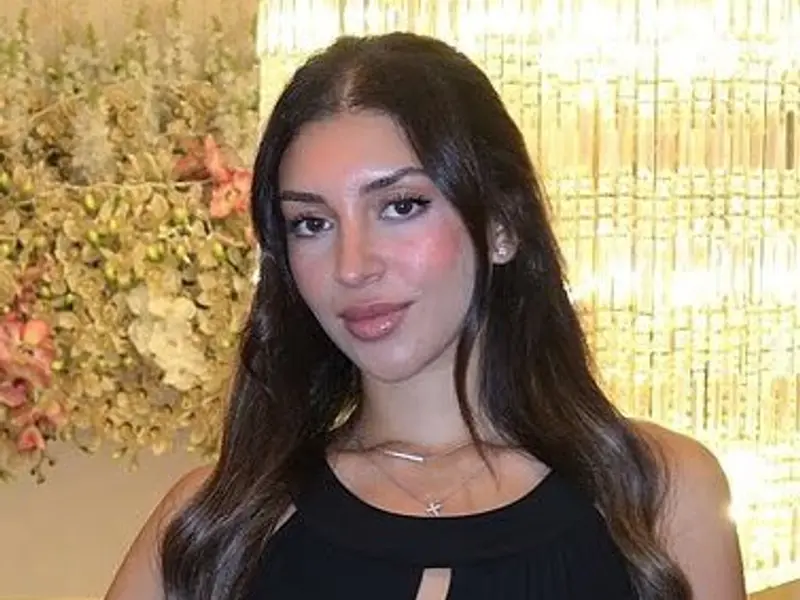
A senior counterterrorism official inside the Department of Homeland Security is facing scrutiny after a former partner accused her of leveraging their relationship for lavish spending, prompting an internal watchdog review. The case involving Julia Varvaro has quickly moved from tabloid headlines into a broader conversation about security risks, personal conduct, and oversight within sensitive government roles.
The allegations remain unverified, and Varvaro has strongly denied wrongdoing. Still, the controversy raises important questions about how personal relationships intersect with national security responsibilities. The Daily Mail reported that in December, a divorced businessman identified only as Robert B. met 29-year-old Deputy Assistant Homeland Security Secretary for Counterterrorism Julia Varvaro on the dating app Hinge.
Who is Julia Varvaro?
Julia Varvaro serves as a deputy assistant secretary for counterterrorism at DHS, a role that places her within the federal government’s security architecture. Officials in such positions typically work on threat assessment, interagency coordination, and policy strategy aimed at preventing domestic and international terrorism.
While public information about Varvaro’s career is limited compared to higher-profile officials, roles at this level generally require:
- Security clearance and background vetting
- Experience in intelligence, law enforcement, or policy
- Oversight of sensitive national security initiatives
That context is key to understanding why the allegations have triggered an internal review. In national security circles, even the appearance of compromised judgment can prompt scrutiny.
What are the allegations against Julia Varvaro?
The controversy stems from claims made by a former boyfriend, identified in reports as a private businessman. According to his complaint, the relationship involved substantial financial spending, including:
- Roughly $30,000–$40,000 on travel, luxury goods, and dining
- International trips to destinations such as Italy and Switzerland
- Purchases of designer items and high-end experiences
He also alleged that Varvaro requested ongoing financial support, including rent assistance and access to a credit card.
Varvaro has dismissed the claims, calling them exaggerated and characterizing the situation as fallout from a failed relationship. Speaking to media outlets, she described the accusations as the product of a disgruntled ex-partner.
It is important to note that these claims have not been independently verified.
Why is DHS investigating the situation?
The review is being conducted by the Department of Homeland Security Office of Inspector General, which is responsible for ensuring accountability within DHS.
What triggers an investigation in cases like this?
Even personal matters can fall under scrutiny if they raise potential national security concerns. In this case, the complaint flagged:
- Possible financial vulnerability
- Questions about judgment and decision-making
- Risk of undue influence by private individuals
For officials with access to sensitive information, these factors are taken seriously regardless of whether misconduct is ultimately proven.What is the OIG looking for?
The watchdog review will likely focus on:
- Whether Varvaro violated ethics or conduct rules
- Whether her actions created a security risk
- Whether financial dependencies could expose her to coercion
Why do personal relationships matter in national security roles?
This case highlights a broader issue: personal conduct is not entirely private for individuals in high-security positions.
Financial vulnerability as a risk factor
Government agencies routinely assess whether employees face financial stress or dependency. The concern is straightforward:
- Financial pressure can make individuals susceptible to manipulation
- External parties may attempt to exploit personal relationships
- Even perceived vulnerability can undermine trust
The “appearance” standard
In national security, perception often matters nearly as much as reality. Officials are expected to avoid situations that could:
- Raise questions about integrity
- Create reputational risk for the agency
- Invite external scrutiny or political pressure
That standard is why even unproven allegations can trigger formal review.
What has Julia Varvaro said in response?
Varvaro has denied all allegations, maintaining that the claims are misleading and rooted in personal grievances. Her public statements emphasize:
- The relationship was consensual and typical
- The financial claims are exaggerated
- The complaint reflects a personal dispute rather than misconduct
Her response underscores a key tension in such cases: the line between private disputes and public accountability.
What happens next in the watchdog probe?
Investigations by the DHS Office of Inspector General can take weeks or months, depending on complexity.
Possible outcomes include:
- No findings of wrongdoing, closing the case
- Administrative action if the conduct rules were violated
- Referral for further review if security concerns are identified
Until the review concludes, the case remains unresolved.
Why this story is gaining national attention
The story has drawn widespread coverage not just because of its sensational elements but because of what it represents.
Intersection of personal and professional risk
At its core, this is about how private behavior intersects with public responsibility. For senior officials:
- Personal decisions can carry institutional consequences
- Relationships may be scrutinized through a security lens
- Public trust is tied to perceived integrity
Media amplification and verification gaps
Much of the reporting originates from tabloid-style outlets, which raises verification questions. This makes it critical for readers to distinguish between:
- Allegations
- Verified findings
- Official conclusions
What should readers watch going forward?
As the investigation unfolds, several developments will be worth tracking:
- Whether DHS releases an official statement or findings
- Any administrative actions involving Varvaro
- Additional corroboration or contradiction of claims
TL;DR
- Julia Varvaro, a DHS counterterrorism official, faces allegations from a former partner involving financial demands and lavish spending
- She denies the claims, calling them exaggerated and personal in nature
- The DHS Office of Inspector General is reviewing whether the situation poses any security risk
- The case highlights how personal relationships can come under scrutiny in national security roles
- No conclusions have been reached, and the investigation is ongoing