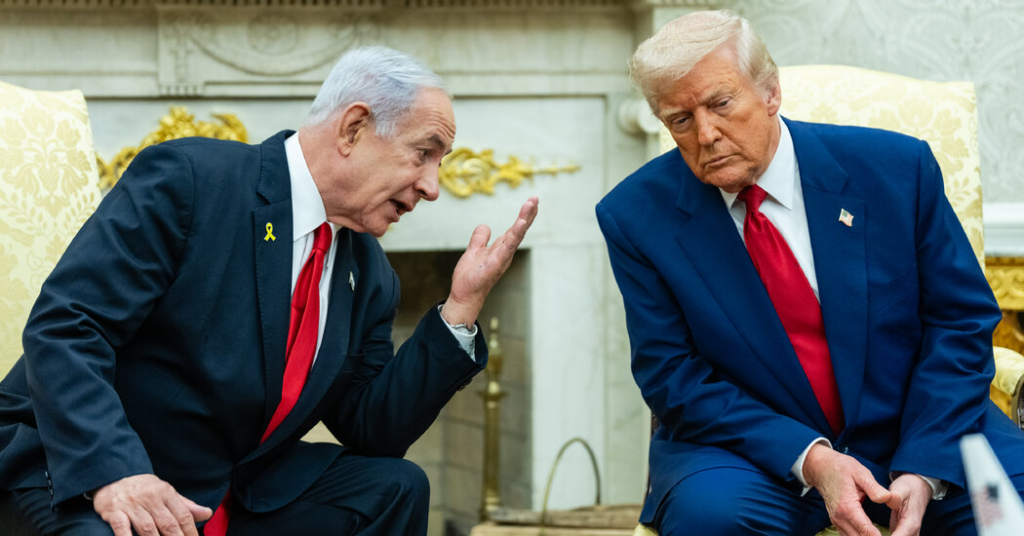
In a significant shift in tone, Donald Trump has announced a temporary halt to planned U.S. military strikes against Iran, signalling a possible opening for diplomacy in the escalating regional conflict.
The directive, shared via his Truth Social platform, instructs the Department of Defense to postpone all strikes targeting Iranian energy infrastructure for five days, contingent on the outcome of ongoing discussions.
What Did Trump Announce?
According to the statement, the U.S. will delay any immediate military action against Iranian targets.
Key Points From the Announcement
- A five-day pause on planned strikes
- Targets included power plants and energy infrastructure
- The pause is conditional, depending on diplomatic progress
- Ongoing “meetings and discussions” will determine next steps
While brief, the move introduces a critical window for de-escalation.
Why This Decision Matters Now
The pause comes amid heightened tensions involving the U.S., Israel, and Iran—three actors deeply entangled in a rapidly evolving conflict.
A Strategic Breather
This decision could serve multiple purposes:
- Allow diplomatic channels to operate without immediate military pressure
- Signal restraint to international allies and adversaries
- Reassess military options based on new intelligence or negotiations
In conflicts of this scale, even short pauses can significantly alter momentum.
What Is the Role of the Department of Defense?
Trump’s order directs the United States Department of Defense to stand down—at least temporarily—from executing planned operations.
What This Means Operationally
- Airstrike missions may be delayed or reassigned
- Military assets remain on standby rather than withdrawn
- Command structures continue monitoring the situation
Importantly, a “pause” is not a withdrawal. Forces remain positioned for rapid action if needed.
Why Target Energy Infrastructure?
The original strike plans reportedly focused on Iran’s energy sector—a critical pillar of its economy.
Strategic Importance
Targeting energy infrastructure can:
- Disrupt economic stability
- Limit industrial and military capacity
- Increase internal pressure on leadership
However, such actions also carry risks:
- Civilian impact
- Global energy market disruption
- Escalation into broader conflict
The pause may reflect awareness of these consequences.
Is Diplomacy Back on the Table?
The five-day window suggests active diplomatic engagement behind the scenes.
What “Ongoing Discussions” Could Involve
- Backchannel negotiations between the U.S. and Iran
- Coordination with Israel
- Mediation efforts by third-party nations
Possible Outcomes
- Temporary ceasefire agreements
- De-escalation measures
- Framework for longer-term negotiations
That said, the conditional nature of the pause means diplomacy must show quick progress.
How Iran Might Respond
Iran’s reaction will be critical in determining whether the pause leads to meaningful de-escalation.
Potential Responses
- Reciprocal restraint in military activity
- Engagement in diplomatic talks
- Strategic repositioning without public concessions
Alternatively, any perceived weakness could lead to continued or intensified actions.
Global Implications of the Pause
This development has ripple effects far beyond the immediate conflict zone.
Key Areas of Impact
1. Energy Markets
A pause in strikes on energy infrastructure may stabilise oil prices in the short term.
2. Geopolitical Alliances
Allies and adversaries alike will reassess U.S. intentions and reliability.
3. Military Posture
Regional forces remain on high alert, even during the pause.
What Happens After the Five Days?
The next move depends entirely on what unfolds during this narrow window.
Scenarios to Watch
- Diplomatic success: Extension of the pause or formal negotiations
- Stalemate: Resumption of planned strikes
- Escalation: Retaliatory actions triggering immediate conflict
The timeline is short, but the stakes are high.