

Quick Summary
On September 7 at 3 PM, the UK will hold its second nationwide test of the Emergency Alerts system. Phones across the country will sound a 10-second siren and display a message confirming it is a test. The system is designed to warn the public about life-threatening events such as extreme weather or major incidents. Officials urge people not to panic and stress that the alerts could one day save lives.
What is happening on September 7?
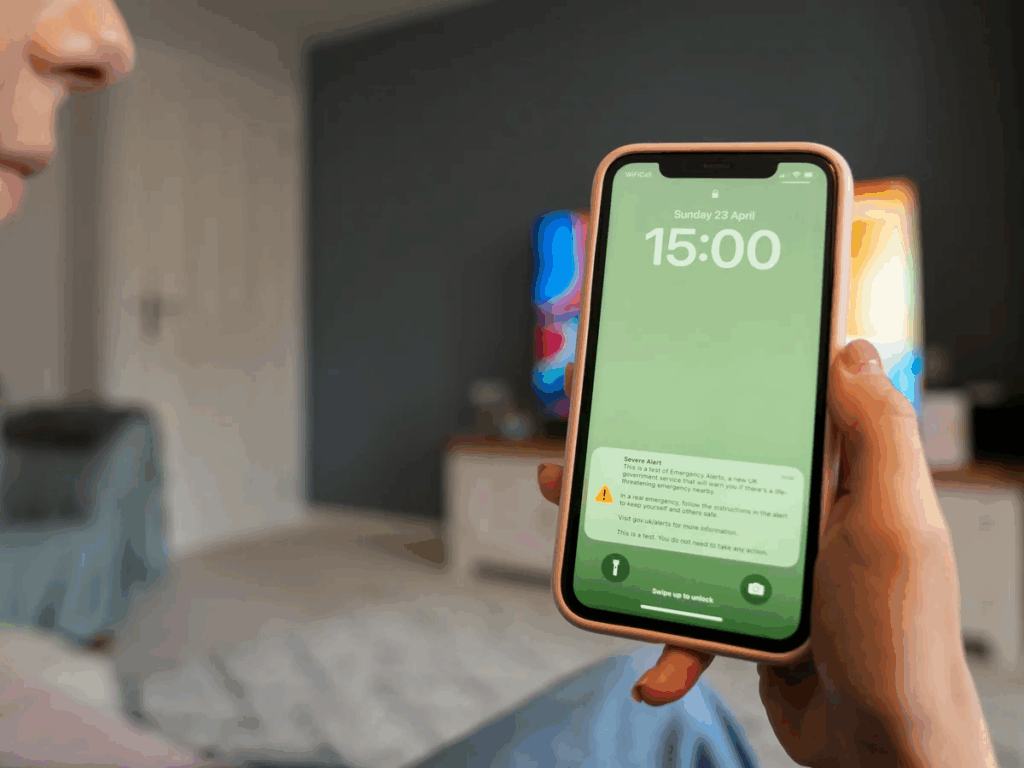
The UK government will conduct a national test of its Emergency Alerts system on Sunday, September 7, at 3 PM. Millions of mobile phones across the country will vibrate and emit a loud siren-like sound for around 10 seconds, accompanied by a message on the screen, making it clear that the alert is only a test.
This will be the second nationwide trial since the system launched, following the first test in April 2023. Officials say the drill is part of a broader strategy to improve national resilience and ensure the public knows how to respond if a real alert is ever issued.
How does the UK emergency alert system work?
The Emergency Alerts system is designed to warn people if there is an immediate danger to life in their area. Examples include:
- Severe weather events like flooding or storms
- Industrial accidents
- Terrorist incidents
- Public health emergencies
Messages are broadcast to all compatible mobile devices in the affected area, regardless of network provider. The system does not require people to sign up and does not track personal data or location.
What to expect during the test
- Sound and vibration: Phones will emit a loud siren lasting around 10 seconds, even if set to silent.
- On-screen message: A text will appear confirming the alert is only a test.
- Coverage: The alert will reach an estimated 87 million mobile phones across the UK.
Authorities are running a public awareness campaign ahead of the test to avoid confusion and to reach vulnerable groups, such as domestic abuse survivors who may keep hidden phones. The campaign also includes resources in British Sign Language.
Why is the test important?
According to the UK government, “Emergency Alerts have the potential to save lives.” By issuing rapid, localized warnings, officials can direct people to take urgent action—such as evacuating an area or moving to higher ground during floods.
Pat McFadden, Chancellor of the Duchy of Lancaster, compared the alerts to a home fire alarm:
“Just like the fire alarm in your house, it’s important we test the system so that we know it will work if we need it.”
He added that the test is part of the government’s broader Resilience Action Plan, which includes:
- £1 billion investment in a new network of National Biosecurity Centres
- £4.2 billion in flood defences to protect vulnerable communities
- Expanded national readiness measures under the Plan for Change
History of the UK emergency alert system
- April 2023: First nationwide test conducted.
- Since 2023: Five real alerts have been issued, including during major storms when lives were at risk.
- 2025: The second nationwide test reinforces the government’s commitment to routine drills.
What should the public do during the test?
- Do not panic: The alert will clearly state it is only a test.
- Acknowledge the message: Swipe away the notification after reading it.
- Inform vulnerable individuals: Remind family members, elderly relatives, or domestic abuse survivors who may be affected by the sudden sound.
Officials emphasize that public cooperation during drills helps ensure smoother responses in real emergencies.
Why this matters
With climate change fueling more extreme storms and flooding across the UK, and security risks constantly evolving, governments are under pressure to strengthen crisis communication. Systems like Emergency Alerts ensure people receive critical instructions in seconds, bridging the gap between first responders and citizens.
The September 7 drill is not just a technical test—it’s also about building public trust, awareness, and resilience in the face of growing national challenges.
