

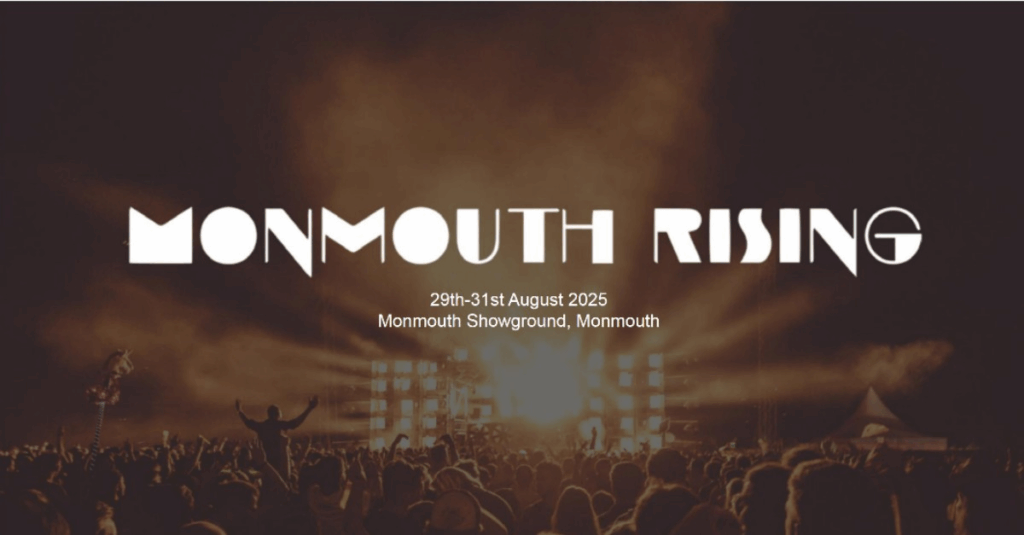
How did a fake UK music festival convince so many?
In one of the UK’s most audacious scams in recent memory, a man named James Kenny managed to orchestrate a fake music festival, Monmouth Rising, from his mother’s kitchen, duping celebrities, high-profile investors, and even a foreign government. What began as a seemingly exciting cultural event snowballed into a complex web of lies, unpaid debts, and crushed reputations.
The fake festival, dubbed Monmouth Rising, was marketed as a game-changing music event, promising affordability, inclusivity, and innovation. Promotional materials claimed the event would rival major UK festivals like Latitude and Glastonbury. But there was just one problem: it never existed.
Who is James Kenny, and what was his plan?
James Kenny, a 47-year-old serial fraudster previously convicted of financial crimes, exploited his charisma, digital tools, and well-crafted lies to stage a fictitious event that appeared utterly real, at least on paper.
He claimed to have secured backing from John Vincent, co-founder of the Leon restaurant chain, and presented detailed event plans to local councils and potential stakeholders. These included high-tech festival maps, claims of a live broadcast by BBC Radio Wales, and even a bizarre promise to launch bacon sandwiches from a morning cannon into campsites.
But many of these “details” turned out to be pure fabrication.
Past legal issues raise red flags
James Kenny’s criminal past should have raised concerns. In 2008, he was convicted on two counts of fraud for forging his wife’s signature to secure a mortgage and repay debts. He also has £27,000 in unpaid County Court Judgments and is listed as a director of multiple dubious business entities under variations of his name.
Yet, despite this checkered history, he managed to infiltrate the UK festival circuit with ease, largely thanks to persuasive marketing and high-profile name-dropping.
Why did people believe in Monmouth Rising?
1. Credible backers—at least on paper
James Kenny falsely claimed association with well-known business figures and government entities. Although many later denied ever hearing of him, the initial appearance of legitimate investment gave the festival credibility.
2. Elaborate pitch materials
He created pitch decks with detailed site plans, allegedly designed using the same software used to plan the Paris Olympics. This level of polish made his vision look official and trustworthy, especially to stakeholders unfamiliar with event logistics.
3. Community engagement and charm
James Kenny personally addressed a packed town hall meeting in February 2025, pitching the festival to the local community in Monmouth, a market town near the Welsh border. His approachable style and elaborate promises, including a five-stage setup and cashless payments, won over many.
4. Digital and social proof
Like other high-profile scams (e.g., the Fyre Festival), Monmouth Rising maintained a digital presence filled with attractive visuals, artist mockups, and social proof that helped reassure investors and collaborators.
What were the warning signs?
Despite initial confidence, employees and suppliers soon began noticing inconsistencies:
- No deposits were made to artists or performers.
- Licensing applications were never submitted.
- Contractors reported no signed agreements or follow-ups.
- Supposed investors said they’d never heard of the festival.
One former employee told the BBC, “It was a festival made of paper. Everything kind of unravelled, and I realized it doesn’t exist for anybody else but him.”
These cracks widened as suppliers demanded confirmation, artists sought contracts, and local authorities pushed for updates, only to find themselves ghosted or misled.
How did the Monmouth Rising scam come to light?
The unraveling began when BBC News conducted an in-depth investigation. Their journalists dug into Kenny’s business records and criminal history and reached out to the alleged backers, many of whom denied any involvement.
Eventually, Kenny admitted to the deceit, claiming he genuinely intended to hold the festival but was “in over his head.” He issued a public apology to those who suffered financial losses, though many doubt the sincerity of his regret.
What does this say about due diligence in event planning?
This case echoes other large-scale scams, such as the infamous Fyre Festival, where media glamor and social engineering overshadowed basic accountability.
Key takeaways for professionals in the event and entertainment industry:
- Verify investor claims and financial commitments. Reputable festivals involve formal contracts, upfront payments, and regulatory paperwork.
- Background checks matter. Kenny’s past convictions and unpaid court judgments were accessible with basic investigation.
- Community excitement isn’t proof. Public enthusiasm can be manipulated when the pitch sounds too good to be true.
- Too much detail can sometimes be a distraction. Extravagant claims (like a bacon-sandwich cannon) may serve as smokescreens.
Monmouth Rising: Could this happen again?
Absolutely. The rise of low-cost design tools, AI-generated promotional content, and the viral potential of social media makes it easier than ever to stage convincing frauds.
Kenny’s scam is a sobering reminder of how performance and persuasion can trump process and policy when scrutiny is absent.
Recommendations for preventing similar scams:
- Local councils should mandate financial transparency and verified stakeholder lists before granting licenses.
- Artists and suppliers must insist on contracts, deposits, and insurance before committing.
- Media outlets should exercise greater caution before promoting events or personalities without proper vetting.
Conclusion
James Kenny’s “Monmouth Rising” was never meant to rise at all, it was a house of cards built on strategic lies and manipulative charm. The scam not only exposed cracks in the UK’s festival vetting systems but also revealed how far one person can go with just a laptop, a printer, and a persuasive story.
As the industry absorbs the fallout, the need for stronger verification practices becomes more urgent—not just to protect businesses, but to preserve public trust in live cultural events.


