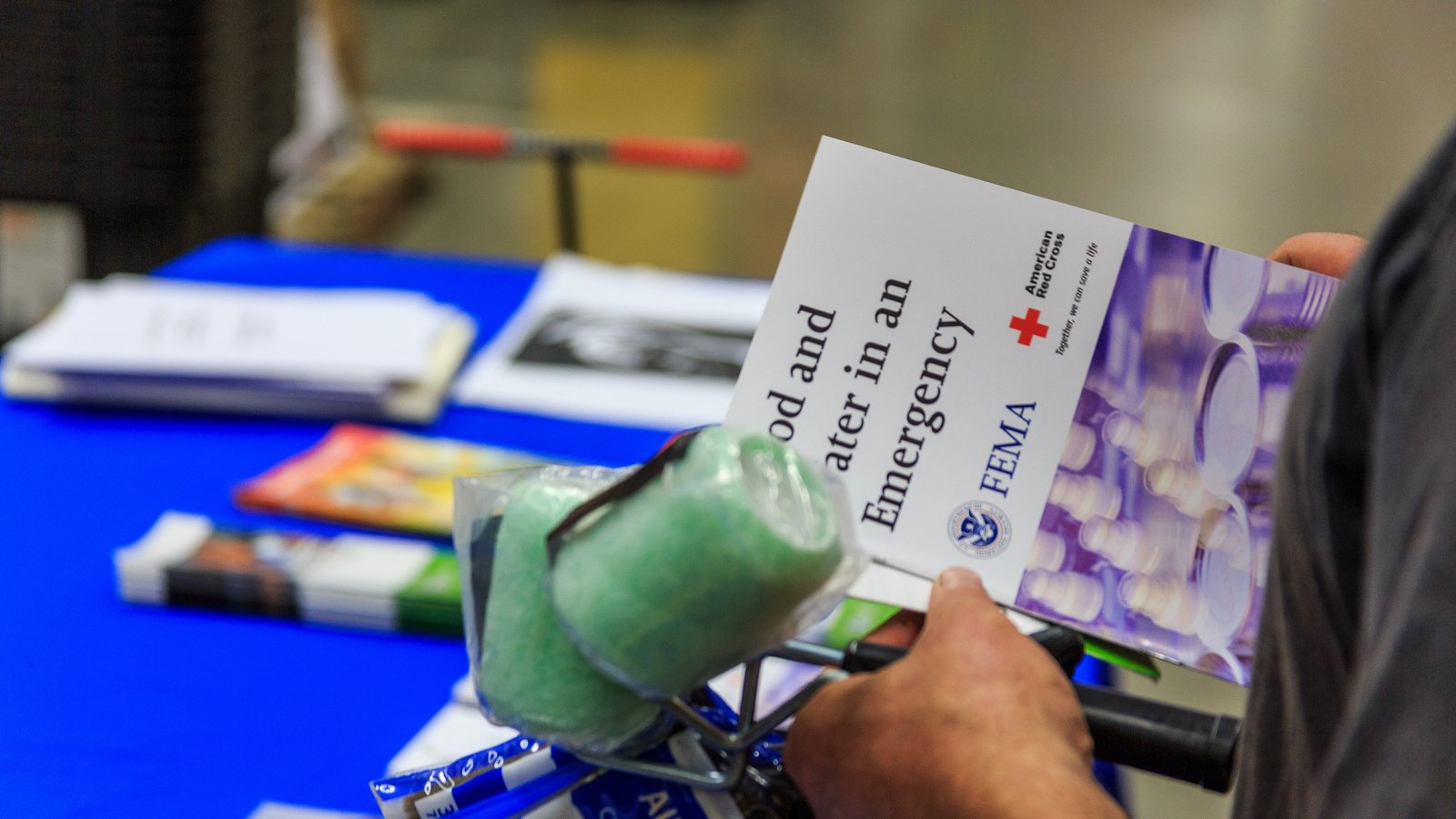
Britain is asking every household to keep three days of emergency supplies at home, including 3 liters of drinking water per person per day. That is less than Americans are told to store. Ready.gov asks for about a gallon per person per day, and the American Red Cross says to plan for two weeks at home.
The UK government launched the advice on October 22 as its “Be Ready” campaign. It says no specific threat prompted it. But it landed in a week with a global scramble over a critical software flaw and a summit on wildfires after the UK’s hottest summer on record.
What is the UK asking households to do?
The Cabinet Office announcement asks people to prepare for three days without everyday services such as power, water, phone signal or the internet. It is the first stage of a three-year campaign. More than 500 charities, businesses and other groups have signed up to share it.
“Those who can follow this advice should follow this advice,” Security Minister Dan Jarvis said. Much of the guidance has been online since May 2024, the government says. What’s new is the national push and a single checklist.
The Be Ready kit list covers:
- Bottled water: 3 liters per person per day for drinking, plus more for cooking and washing
- Food that keeps without a fridge and needs no cooking, such as canned fish, dried fruit and nuts
- A flashlight with spare batteries, plus blankets and warm clothing
- A battery or wind-up FM radio, with your local stations’ frequencies written down
- A charged power bank, a first aid kit and essential medicines
- Cash, plus printed copies of IDs, insurance details and key phone numbers
- Baby formula, diapers and pet food where needed
It also asks people to swap numbers with neighbors and check on anyone who may need help. People who rely on powered medical equipment are pointed to the Priority Services Register. It’s a free list that tells energy and water companies who needs extra help in an outage.
Why the timing drew attention
Defence Secretary Wes Streeting said the advice wasn’t prompted by a specific incident. He told people to be “alert but not alarmed,” Eastern Eye reported.
Events made the case anyway. On October 21, the PHP project disclosed two critical flaws known as PHP2Shell. PHP runs a large share of the web, and we explained what PHP2Shell means and who has to fix it.
The US Cybersecurity and Infrastructure Security Agency told organizations that can’t patch right away to take PHP systems “offline until they can be patched or updated”. CISA said it had seen no successful attacks when it posted the alert.
Streeting said outages like this will become more common as AI helps attackers, The New Arab reported, citing agency reporting.
The same day the campaign launched, Prime Minister Andy Burnham held a wildfire summit. The government said RAF Chinook helicopters and A400M planes will be fitted to fight fires. It also set aside up to £45 million for wildfire teams in England. “We cannot put people through another summer like this one,” Burnham said.
How the UK advice compares with Ready.gov and the Red Cross
On water, the US advice is more generous. Ready.gov, run by FEMA, says to store at least one gallon per person per day. That’s about 3.8 liters, and it covers drinking and sanitation.
Ready.gov says to plan for “several days” and sets no fixed number. The UK’s 3 liters is for drinking only.
The American Red Cross goes further on time. It suggests a three-day supply to take if you evacuate and a two-week supply for home, at the same gallon a day.
For a family of four, the gap is large, by our calculation:
| Guidance | Water for a family of four |
|---|---|
| UK Be Ready, 3 days (drinking only) | 36 liters, about 9.5 gallons |
| Ready.gov rate, 3 days | 12 gallons, about 45 liters |
| Red Cross, 2 weeks at home | 56 gallons, about 212 liters |
The kits differ, too. The Ready.gov basic kit adds a NOAA Weather Radio, a whistle, a dust mask, plastic sheeting and duct tape, and a wrench to shut off utilities. Those are tools for hurricanes, tornadoes and earthquakes.
Britain’s list leans on cash, paper documents and neighbors. That fits an outage where card payments and phones stop working.
Is three days the European standard?
Yes. The UK says its three-day benchmark matches advice in France, Ireland and the Netherlands. In March 2025, the European Commission asked people across the EU to keep essential supplies for at least 72 hours. Its strategy named cyberattacks and armed aggression alongside natural disasters.
Three days is a floor, not a target. The UK site says it “helps you manage while support reaches those most in need.” For Americans, the UK list works as a starting kit. Ready.gov’s gallon a day is the safer water figure, since it also covers washing.
Power matters as much as food. A Tesla Model 3 or Model Y can now back up a home in a blackout, but most households will be leaning on a charged phone and a radio.
Britain’s campaign has three years to run
The Cabinet Office says the advice will build over time through councils, charities and businesses. In the US, CISA last updated its PHP2Shell alert on October 23 and is still urging organizations to patch.