
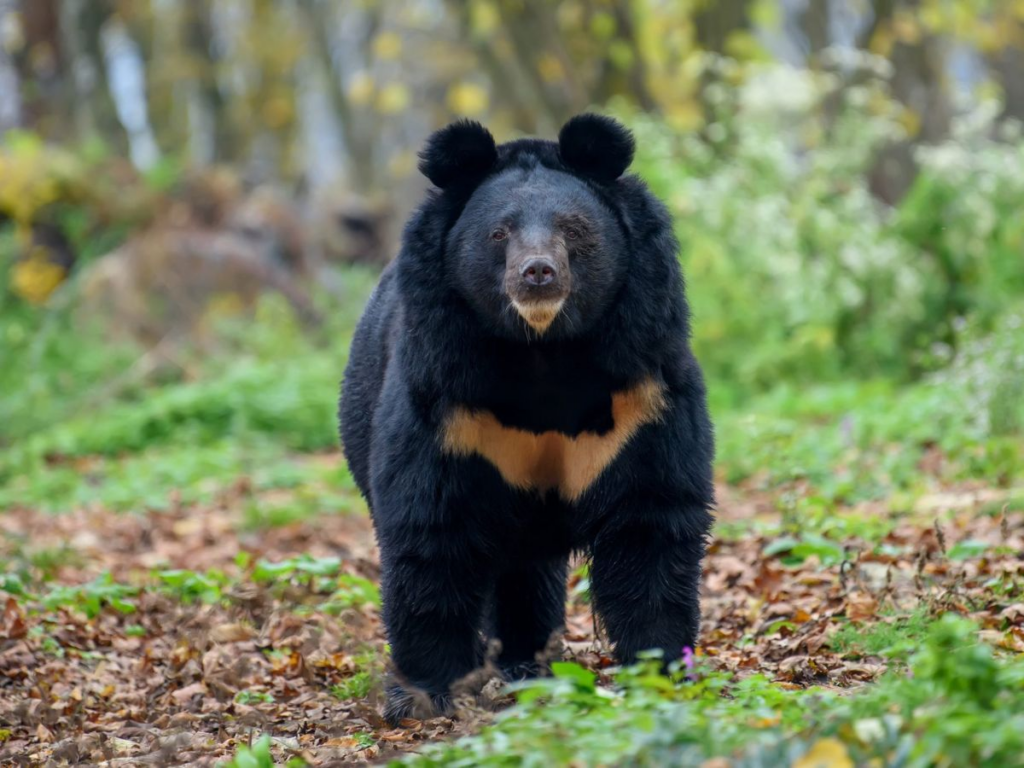
A wild bear roaming through a Japanese city has triggered an extraordinary public safety response, forcing the closure of nearly 100 schools and prompting authorities to deploy hunters, police officers, and emergency personnel to track the animal.
The bear was first spotted in the city of Utsunomiya, north of Tokyo, and has reportedly been seen multiple times over the past three days in residential neighborhoods, public parks, schools, and even a shopping arcade. The sightings have heightened concerns in a country that has experienced a sharp increase in bear encounters in recent years.
Officials say the closures are a precautionary measure aimed at protecting students while search efforts continue.
Why were nearly 100 schools closed in Japan?
Authorities in Utsunomiya ordered the closure of all 94 public elementary and junior high schools on June 8 after receiving more than ten reports of bear sightings since the weekend.
The decision came as officials struggled to determine whether the reports involved a single bear moving through different parts of the city or multiple animals.
Local authorities urged residents to remain indoors whenever possible and avoid unnecessary travel on foot.
Emergency announcements were also issued across affected neighborhoods to warn residents about potential encounters.
Where was the bear spotted?
The animal was first reported north of Utsunomiya’s city center on Saturday morning.
Since then, sightings have been reported at several locations, including:
- Residential neighborhoods
- A shopping arcade
- Public parks
- A high school
- A junior high school
- A wholesale market
Officials described the bear as being approximately one meter (about three feet) in length.
The repeated sightings suggest the animal may have wandered deep into urban areas, increasing the risk of encounters with residents.
Why are bear encounters increasing in Japan?
Japan has experienced a significant rise in human-bear encounters over the past several years.
Wildlife experts point to a combination of factors contributing to the trend.
Habitat changes
Urban expansion and changing land use patterns have increasingly brought people and wildlife into closer contact.
As forests and human settlements overlap, bears are more likely to wander into populated areas.
Food shortages
Experts say food availability in natural habitats can influence bear behavior.
When food sources become scarce, bears may venture into towns and cities searching for alternative sources of nutrition.
Population shifts
Some researchers also believe growing bear populations in certain regions have increased the frequency of sightings.
Combined with shrinking rural populations, this has changed the balance between humans and wildlife across parts of Japan.
How serious is Japan’s bear problem?
The numbers highlight a growing concern.
According to official data, bear sightings across Japan exceeded 50,000 during the year ending in March, more than double the previous record set just two years earlier.
The country also recorded a record number of fatal bear attacks last year.
Record fatalities
Authorities reported 13 bear-related deaths in 2025, the highest annual total on record.
Many incidents occurred shortly after bears emerged from hibernation and began searching for food.
Wildlife officials have warned that encounters could continue increasing unless long-term management strategies are implemented.
How are authorities responding?
Local authorities have launched an extensive search operation involving the following:
- Hunters
- Police officers
- Municipal officials
- Emergency response teams
Patrol vehicles have been dispatched to neighborhoods where sightings were reported.
Officials are also using loudspeaker announcements and public alerts to keep residents informed.
The primary goal is to locate the bear and safely remove it from populated areas before any injuries occur.
“We have vehicles out to areas where a bear was seen to make people aware and to urge people to stay indoors or in vehicles,” a city official told news agency AFP.
Why urban bear sightings are becoming a global issue
Japan is not alone in facing increased encounters between humans and large wildlife.
Across North America, Europe, and parts of Asia, animals such as bears, wolves, and wild boars are increasingly appearing near towns and cities.
Wildlife experts say several factors are driving the trend:
- Expanding urban development
- Climate-related habitat changes
- Altered migration patterns
- Easier access to food in populated areas
These encounters present a growing challenge for governments attempting to balance public safety with wildlife conservation.
What residents should do if they encounter a bear
Wildlife authorities generally recommend the following precautions:
- Remain calm and avoid sudden movements
- Do not run
- Slowly back away while keeping the bear in sight
- Avoid approaching the animal for photographs
- Seek shelter inside a building or vehicle if possible
- Report sightings immediately to local authorities
Experts caution that every situation is different, and official guidance should always take precedence.
Why this incident matters
The closure of 94 schools in a city of more than half a million residents illustrates how seriously Japanese authorities are treating the threat.
While no injuries have been reported in connection with the latest sightings, the incident underscores a broader trend that is reshaping human-wildlife interactions across Japan.
As bear populations and encounters continue to rise, cities may increasingly find themselves responding to situations that were once largely confined to rural and mountainous regions.
TL;DR
- A bear spotted in the Japanese city of Utsunomiya prompted authorities to close 94 public schools.
- More than ten sightings have been reported over three days.
- The bear has reportedly been seen near homes, schools, parks, a shopping arcade, and a wholesale market.
- Hunters, police, and local officials are searching for the animal.
- Japan recorded more than 50,000 bear sightings last year.
- The country also experienced a record 13 fatal bear attacks in 2025.
- Experts say increasing human-wildlife encounters are becoming a growing challenge across Japan.