
Quick Summary
- Spanish police uncovered a secret zoo in Nules with 150 exotic animals from 56 species.
- Discovery came after an online ad offered endangered animals for sale.
- Two men were arrested for operating without permits; charges include wildlife trafficking and smuggling.
- Animals include zebras, kangaroos, macaws, servals, mongooses, and more—valued at over $81,000.
- Authorities are seeking sanctuaries and licensed zoos to rehome the animals.
Spanish authorities have dismantled an underground wildlife operation in Nules, eastern Spain, after a seemingly innocent online advertisement exposed a sprawling illegal zoo. Inside, investigators found 150 exotic animals from 56 different species, ranging from zebras and kangaroos to endangered birds and big cats.
The find has raised fresh concerns about Europe’s growing role in the global illegal wildlife trade, where animals are often trafficked for private collections, exotic pet markets, or black-market breeding.
How the illegal zoo was discovered
The operation came to light after police stumbled upon a social media ad offering exotic species—including Asian otters, porcupines, meerkats, and kangaroos—for sale. The ad also mentioned baby animals from protected species, such as meerkats, caracals, and kangaroos, which immediately raised suspicions.
Months of surveillance followed, eventually leading investigators to a compound in Nules. The site, concealed behind warehouses and private plots, housed a staggering variety of animals. Videos uncovered during the probe showed the breeders handling leopards, owls, and llamas, further confirming the scale of the operation.
What animals were found at the Nules site?
The Guardia Civil reported that the illegal facility included both endangered and rare animals, many of which require strict permits to keep. Among the species uncovered were:
- Large mammals: A zebra, a dromedary, kangaroos, servals, caracals, and mouflons.
- Birds: Toucans, crowned cranes, turacos, ibises, owls, and macaws.
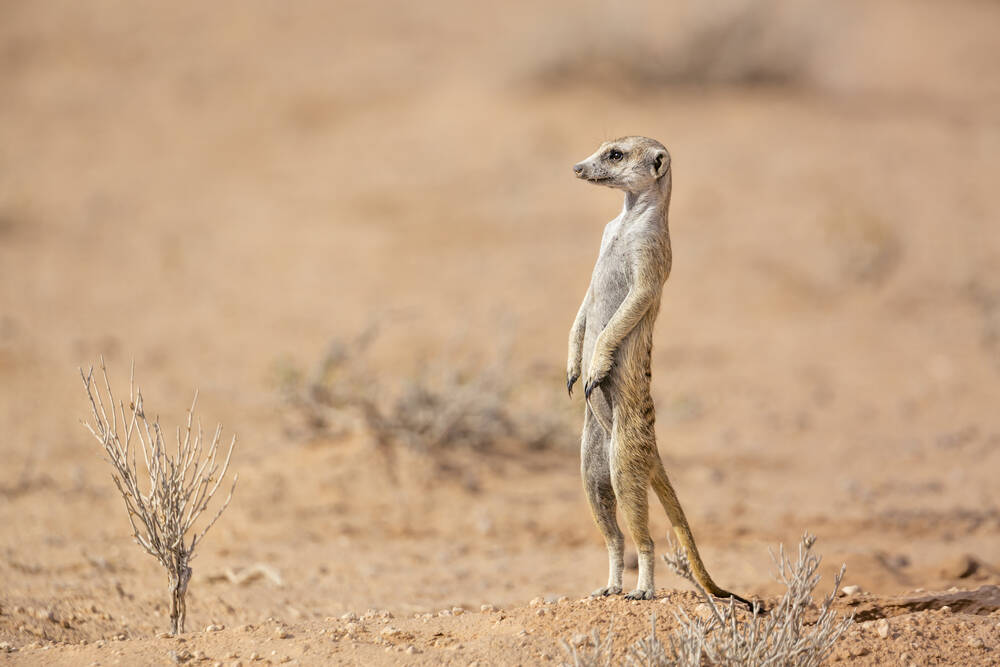
- Small mammals: Mongooses, kinkajous, meerkats, and an opossum.
- Reptiles and others: Porcupines and additional unregistered species.
Police also revealed that two of the macaws had been reported stolen from Almería province, linking the case to broader wildlife theft networks.
In total, the collection is estimated to be worth more than $81,000 on the black market.
Who was behind the secret zoo?
The facility was run by two men without breeder permits or zoo authorizations. Authorities say the pair were initially keeping the animals as a “hobby,” but their attempt to profit through online sales exposed the operation.
Both men are now under investigation for wildlife trafficking and smuggling, crimes that can carry severe penalties under Spanish and EU law.
Are the animals safe now?
Despite being housed in makeshift cages, police confirmed that the animals appeared to be in good health. For now, they remain at the Nules site under supervision while negotiations continue with licensed zoos and wildlife protection centers that may take them in.
This transition, however, is complicated. Moving such a large number of exotic animals requires veterinary checks, specialized transport, and long-term housing solutions—all while ensuring the animals don’t end up back in unregulated markets.
Why this case matters
The Nules discovery highlights a troubling reality: illegal wildlife trafficking is thriving in Europe, often hidden behind the veneer of private collections or hobby breeding.
- Global context: According to Interpol, wildlife trafficking is a multibillion-dollar industry, ranking alongside arms and drug smuggling.
- EU loopholes: Conservation groups have long criticized the EU for weak enforcement of CITES (Convention on International Trade in Endangered Species), making it a hub for exotic pet trade.
- Animal welfare: Beyond trafficking, many species suffer poor living conditions in unlicensed facilities, raising ethical and ecological concerns.
Spain, in particular, has faced repeated scrutiny as a transit point for exotic animals bound for Europe’s underground markets.
What happens next?
The Guardia Civil is expected to press charges against the two suspects, while Spanish wildlife agencies coordinate with zoos and sanctuaries to rehome the animals.
For now, the case serves as both a warning and a wake-up call. A single online ad not only unraveled a hidden zoo but also underscored the digital dimension of modern wildlife crime, where platforms meant for connection are increasingly exploited for trafficking.