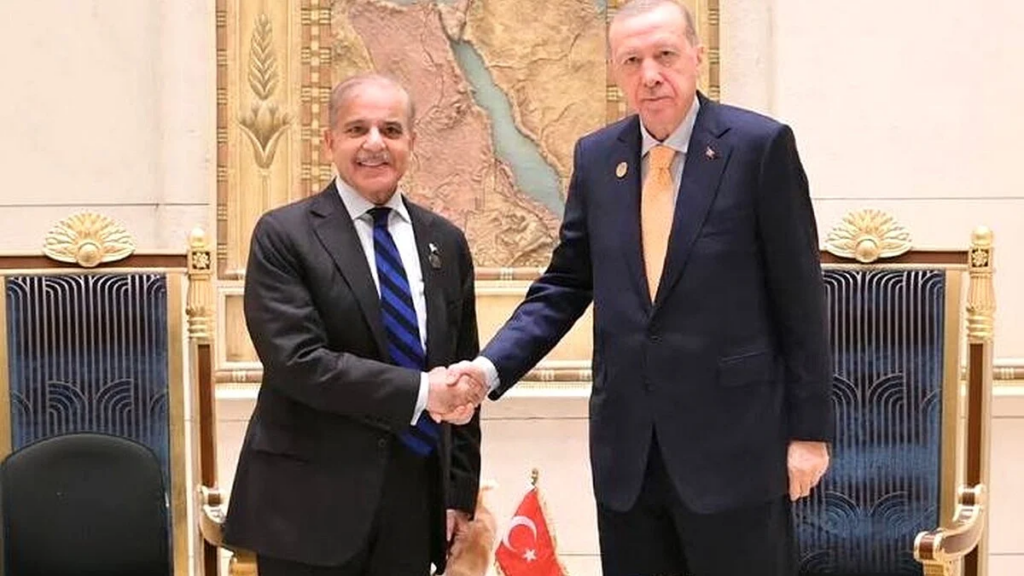
A new report has added another layer of complexity to the already volatile U.S.–Iran standoff: behind-the-scenes diplomacy. According to recent claims, Pakistan, Turkey, and Egypt may be quietly mediating between Washington and Tehran, even as Iran publicly denies that any talks are taking place.
So what’s actually happening, and how credible are these claims?
What Does the Report Say About Mediation Efforts?
A report citing a U.S. official suggests that Pakistan, Turkey, and Egypt have been actively facilitating indirect communication between the United States and Iran over the past two days.
Key Claims From the Report
- The three countries are relaying messages between Washington and Tehran.
- Their goal is to reduce tensions and move toward ending the conflict.
- Separate diplomatic engagements have reportedly taken place with:
- U.S. envoy Steve Witkoff
- Iran’s Foreign Minister Abbas Araghchi
A source familiar with the discussions said the mediation is “ongoing and making progress,” with hopes of a resolution emerging soon.
Even when official talks are denied, third-party mediation is a common pathway to de-escalation, especially in high-risk conflicts.
Why These Three Countries?
Pakistan, Turkey, and Egypt are not random choices. Each has a strategic positioning that makes it a viable intermediary.
Pakistan: Strategic and Regional Leverage
- Maintains ties with both Western powers and regional actors
- Shares geographic proximity and security concerns
- Often plays a balancing role in Muslim-majority geopolitics
Turkey: NATO Member With Independent Diplomacy
- A NATO member but frequently pursues an independent foreign policy
- Has experience mediating conflicts (e.g., Russia–Ukraine grain deal)
- Maintains working relationships with both Iran and the U.S.
Egypt: Traditional Diplomatic Broker
- Long-standing role in Middle East diplomacy
- Strong ties with the U.S.
- Actively engaged in regional stability efforts
Egypt’s foreign minister reportedly emphasized the need to prevent the conflict from expanding, signaling urgency among regional powers.
If Mediation Is Happening, Why Is Iran Denying Talks?
Iran has firmly rejected claims of any negotiations with the United States. This apparent contradiction is not unusual in international diplomacy.
Public Denial vs Private Diplomacy
Iran’s position:
- No direct or indirect talks with Washington
- Claims U.S. statements are meant to influence oil prices and buy time
- Insists it is not the party that initiated the conflict
At the same time, Iranian officials have acknowledged:
- There are “initiatives” by regional countries to reduce tensions
Why Deny Talks?
There are several strategic reasons:
- Domestic messaging: Avoid appearing weak or conciliatory
- Negotiation leverage: Maintain a strong public stance
- Political optics: Keep pressure on the U.S. internationally
In geopolitics, what is said publicly often differs from what happens privately. Denial does not necessarily mean absence.
How Does Trump’s Pause Fit Into This?
President Donald Trump recently announced a five-day pause on military strikes targeting Iran’s energy infrastructure, describing ongoing interactions as “productive.”
What the Pause Signals
- A possible window for diplomacy
- An attempt to ease market and geopolitical pressure
- A tactical move while backchannel discussions continue
This pause came just before a previously stated escalation deadline, adding weight to the idea that diplomatic efforts—formal or informal—may be influencing decisions.
Market Reaction
- Oil prices dropped sharply following the announcement
- U.S. stocks rose, reflecting reduced immediate risk
Are Backchannel Talks Common in Conflicts Like This?
Yes—and often essential.
How Backchannel Diplomacy Works
When direct talks are politically difficult:
- Third-party countries relay messages confidentially
- Positions are tested without public commitment
- Negotiations can progress without triggering backlash
Historical Context
- The U.S. and Iran have previously engaged through intermediaries
- Similar channels have been used in conflicts involving:
- Israel and Arab states
- The U.S. and North Korea
What Role Could These Countries Actually Play?
If the report is accurate, Pakistan, Turkey, and Egypt are likely acting as communication bridges rather than decision-makers.
Their Potential Influence
- De-escalation pressure: Encouraging restraint on both sides
- Message clarity: Reducing miscommunication risks
- Confidence-building: Creating conditions for formal talks
However, their influence has limits:
- They cannot enforce agreements
- Final decisions remain with Washington and Tehran
Mediators can open doors—but they cannot force either side to walk through them.
What Happens Next?
The coming days are critical.
Key Scenarios to Watch
1. Quiet Progress
- Indirect talks continue through mediators
- The pause extends or evolves into formal negotiations
2. Breakdown
- Iran maintains denial and rejects overtures
- The U.S. resumes military action after the pause
3. Prolonged Stalemate
- Ongoing tension without full escalation
- Markets remain volatile
Key Indicators
- Statements from U.S. and Iranian officials
- Movement in oil prices
- Diplomatic activity from regional players
TL;DR
- A report claims Pakistan, Turkey, and Egypt are mediating between the U.S. and Iran.
- They are reportedly facilitating indirect communication, not formal talks.
- Iran denies any negotiations but acknowledges regional de-escalation efforts.
- Trump’s five-day pause may reflect ongoing backchannel diplomacy.
- The situation remains fluid, with diplomacy and escalation both possible.