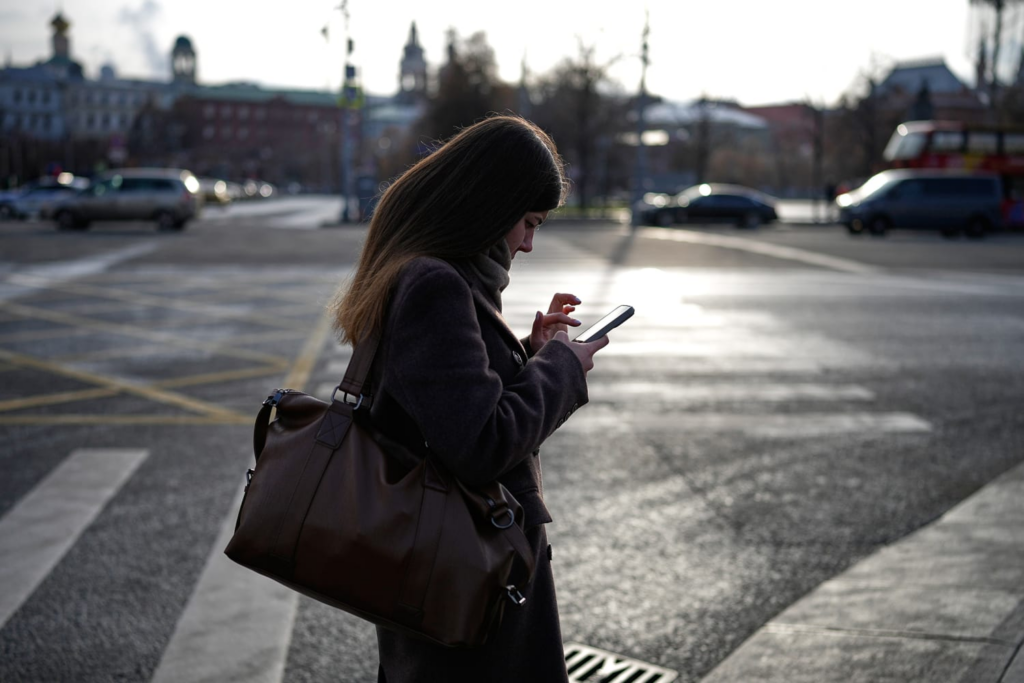
The recent Russian internet outages have pushed many citizens to adopt communication tools that feel straight out of the 1990s. In major cities such as Moscow and St. Petersburg, people are increasingly using pagers, walkie-talkies, and even paper maps after widespread mobile internet disruptions made modern apps unreliable.
Over the past week, thousands of users reported losing mobile data, experiencing blocked apps, and, in some cases, being unable to make phone calls. While Russian authorities say the outages are related to “security measures,” critics argue the move could signal a broader effort to tighten control over online communication.
The situation highlights a striking paradox: in a country known for advanced cyber capabilities, people are reverting to low-tech communication methods just to stay connected.
What is happening with the Russian internet outages?
Reports from Russian media and international outlets indicate that mobile internet disruptions began around a week ago, with many complaints emerging from central Moscow and St. Petersburg.
Users reported several issues:
- Mobile internet suddenly stopped working
- Apps and websites became inaccessible
- GPS and location services failed
- Phone calls dropped or could not be placed
The outages were significant enough that even Russia’s parliament building reportedly experienced Wi-Fi and mobile connectivity issues.
Russian authorities acknowledged the disruptions and said they are part of security measures that will remain in place as long as necessary. However, officials have not provided a detailed explanation for the timing or scope of the restrictions.
Why Russians are buying walkie-talkies and pagers
As the internet became unreliable, many Russians turned to tools that do not depend on mobile networks.
Data from the Russian e-commerce platform Wildberries & Russ reportedly show a sharp rise in demand for older communication devices.
Sales increases include:
- Walkie-talkies: up 27%
- Pagers: up 73%
- Paper maps: sales tripled
These tools operate independently of the internet infrastructure. Walkie-talkies rely on radio frequencies, while pagers transmit messages through dedicated networks.
For many users, the appeal is simple: they still work when modern systems fail.
Why low-tech tools suddenly make sense
- They do not rely on mobile internet
- They are harder to block centrally
- They function during power or network outages
- They provide basic communication during emergencies
This shift illustrates how quickly people adapt when digital infrastructure becomes unreliable.
How internet shutdowns have been expanding in Russia
The current outages are not an isolated incident. Mobile internet disruptions have been occurring across different Russian regions for months.
In some areas, connectivity has reportedly been restricted during security operations or large public events. What makes the current situation notable is that the disruptions have reached Russia’s political and economic centers.
Russia has also steadily increased restrictions on foreign digital platforms.
Several major services are already blocked or restricted:
- YouTube
Messaging platform Telegram has also faced pressure and could potentially face further restrictions.
Could Russia be moving toward a “whitelist internet”?
Human rights groups and digital policy experts believe the outages could signal preparation for a “whitelist internet.”
What is a whitelisted internet?
Instead of blocking specific websites, a whitelist system works the opposite way:
- Only approved websites are accessible
- All other websites are automatically blocked
- Internet access becomes limited to a controlled set of platforms
This approach allows governments to shape what citizens can see online while maintaining a functional network for essential services.
China operates a similar model through its Great Firewall, which restricts access to many global platforms while promoting domestic alternatives.
Economic impact of the internet blackouts
Internet outages do not just affect communication; they also disrupt daily business.
According to estimates from Russia’s business daily Kommersant, Moscow’s internet disruptions could cost businesses up to 1 billion rubles per day (approximately $11–12 million).
Industries most affected include:
- Courier and delivery services
- Taxi and ride-hailing platforms
- Online retail
- Payment systems
- Digital logistics operations
Many of these industries rely heavily on real-time data, GPS navigation, and mobile apps. When those systems stop working, operations slow down or halt entirely.
Why governments restrict internet access
Internet restrictions are not unique to Russia. Governments around the world sometimes limit connectivity for different reasons.
Common reasons cited by authorities include:
- National security concerns
- Preventing misinformation during crises
- Controlling protests or civil unrest
- Cybersecurity threats
However, digital rights groups argue that shutdowns often limit free expression and access to information.
Organizations such as Access Now and NetBlocks track internet shutdowns globally and warn that such measures can undermine democratic processes and economic stability.
Why the Russian internet outages matter globally
The current disruptions highlight a larger geopolitical trend: governments seeking greater control over digital infrastructure.
Countries are increasingly investing in “sovereign internet” systems that allow them to isolate national networks from the global web if needed.
Russia has previously tested such a system under its “Runet” initiative, designed to keep the domestic internet functioning even if disconnected from global networks.
If the recent outages are part of preparations for stricter controls, it could mark another step toward greater digital isolation.
TL;DR
- Russia internet outages have disrupted mobile connectivity across major cities.
- Many citizens are turning to walkie-talkies, pagers, and paper maps to communicate.
- Sales of pagers reportedly increased 73%, while walkie-talkies rose 27%.
- Authorities say the disruptions are for security reasons, but critics fear expanded internet censorship.
- Experts warn Russia could move toward a “whitelist internet,” allowing access only to government-approved websites.