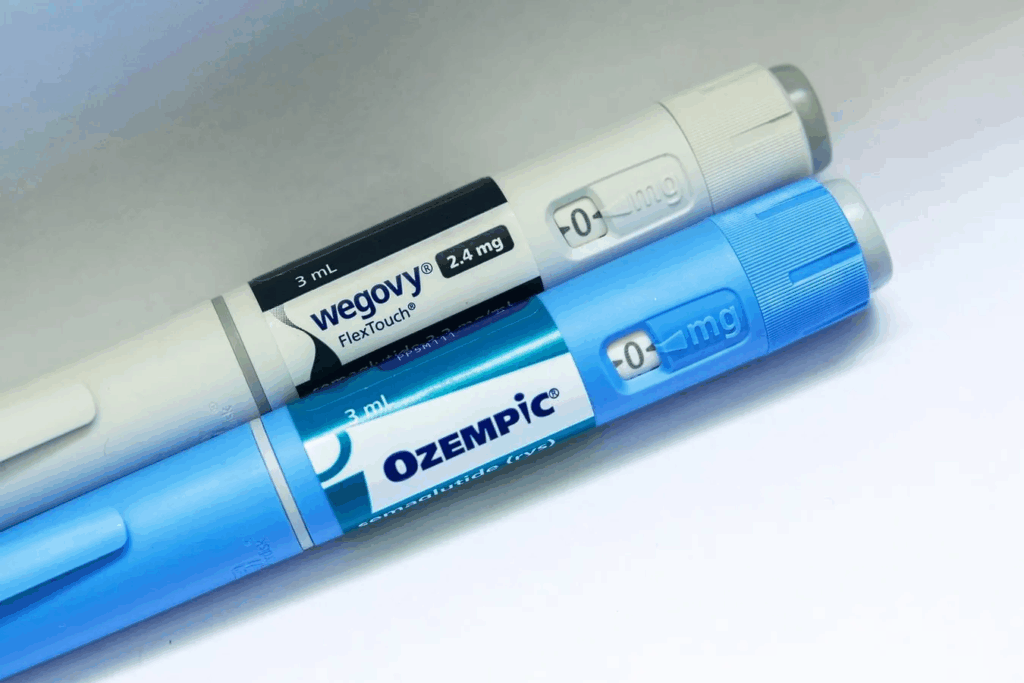
Popular GLP-1 medications such as Ozempic, Wegovy, and Zepbound are already known for a long list of side effects ranging from nausea and diarrhea to headaches and fatigue. But new research suggests these blockbuster drugs may be linked to another unexpected symptom, one that could leave people sounding perpetually under the weather.
New Research Flags a Surprising Risk
In a large study published Wednesday, researchers analyzed medical records from over 2 million patients across the U.S. between 2005 and 2025. Of those, 427,555 were prescribed GLP-1 receptor agonists for type 2 diabetes.
These drugs, including semaglutide (Ozempic, Wegovy), mimic the hormone glucagon-like peptide-1 to:
- Boost insulin production
- Slow digestion
- Reduce appetite
- Lower blood sugar
When compared with 1.6 million diabetes patients taking other second-line medications, researchers discovered something striking:
GLP-1 users had up to a 29% higher risk of developing a chronic cough within the first five years.
A chronic cough is defined as one lasting eight weeks or longer.
Could GLP-1 Drugs Be Making People Cough?
The study found that patients using GLP-1 medications were more likely to be diagnosed with gastroesophageal reflux disease (GERD), a condition that often causes persistent dry cough.
Even after excluding patients who already had GERD, the connection between GLP-1 use and chronic cough remained significant, researchers reported in JAMA Otolaryngology.
“This cohort study suggests that there is an association between GLP-1 receptor agonist use and new diagnosis of chronic cough,” the authors wrote, emphasizing that more research is needed to confirm a causal link and understand the underlying biology.
The findings come as roughly 1 in 8 Americans have taken a GLP-1 drug at some point, a number that continues to grow alongside the medications’ popularity for weight loss.
GLP-1s Are Being Studied for Much More Than Weight Loss
The booming GLP-1 drug class is rapidly expanding beyond diabetes treatment:
- Wegovy was approved last year to reduce cardiovascular risk in overweight adults.
- Zepbound was cleared for moderate-to-severe obstructive sleep apnea in adults with obesity.
- Researchers are exploring whether GLP-1s could treat:
- Liver disease
- Kidney disease
- Alcohol or nicotine cravings
- Inflammation
- Cognitive decline
But not all recent findings have been promising.
Semaglutide Fails in Major Alzheimer’s Trials
In a major setback, two large clinical trials from Novo Nordisk found that oral semaglutide did not slow the progression of Alzheimer’s disease in more than 3,800 adults with mild cognitive impairment or early dementia.
The drug was considered safe and improved several biomarkers associated with Alzheimer’s, but it did not preserve memory or cognitive function.
Dr. Jonathan Rasouli of Northwell’s Staten Island University Hospital, who was not involved in the study, said the results, while disappointing, weren’t entirely surprising.
“Effective therapy likely needs to begin before symptom onset,” Rasouli said. “Given the degree of irreversible neurodegeneration by the time many patients are enrolled, it was always a difficult hill to climb.”
Following the failure, Novo Nordisk announced it would cancel the planned one-year extension of the trials.
Why the Research Still Matters
Experts stress that the Alzheimer’s results don’t close the door on GLP-1 drugs in neurology.
Dr. Maria C. Carrillo, chief science officer at the Alzheimer’s Association, said:
“Though this semaglutide pill did not help against Alzheimer’s, the field will continue to investigate this class of drugs, as they may act differently.”
As researchers continue studying GLP-1 medications, the new findings, from chronic cough to cognitive effects, underscore just how complex and wide-reaching the impacts of these drugs may be.