
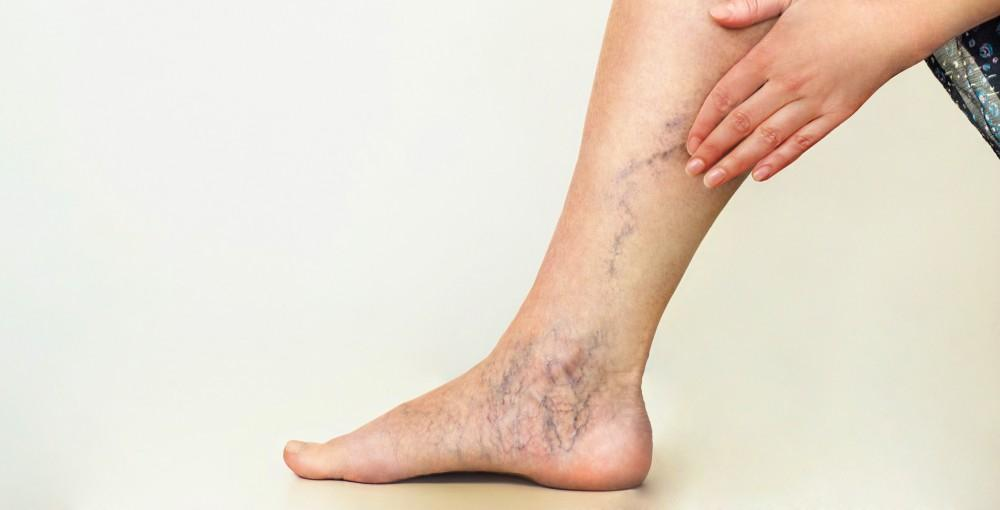
For years, varicose veins were often dismissed as little more than a cosmetic issue—visible, twisted veins that many people associated with aging. Today, that perception is changing. Vascular specialists increasingly view varicose veins as a chronic medical condition that, if left untreated, can lead to pain, swelling, skin damage, and even non-healing ulcers.
The shift is being driven by changing lifestyles. Longer hours at desks, extended commutes, obesity, and reduced physical activity are contributing to an increase in vein disorders among adults in their 30s and 40s. As awareness grows and minimally invasive treatments become more widely available, more patients are seeking medical advice earlier than ever before.
TL;DR
- Varicose veins affect millions of people in India and are no longer considered just a cosmetic issue.
- Modern lifestyles, including prolonged sitting and standing, are contributing to earlier onset of the condition.
- Symptoms can progress from visible veins to pain, swelling, skin discoloration, and chronic ulcers if untreated.
- Advances in minimally invasive procedures have made treatment faster, safer, and more convenient.
- Early diagnosis remains the key to preventing complications.
What Are Varicose Veins?
Varicose veins occur when the valves inside leg veins weaken or become damaged, preventing blood from flowing efficiently back toward the heart. Instead, blood pools inside the veins, causing them to enlarge and become twisted.
Although they most commonly appear on the legs and feet, varicose veins are more than a cosmetic concern. Many patients experience symptoms such as:
- Aching or heavy legs
- Swelling around the ankles
- Burning or throbbing sensations
- Night cramps
- Itching around affected veins
- Visible bulging veins
In advanced cases, untreated varicose veins can lead to skin discoloration, bleeding, and difficult-to-heal venous ulcers.
Why Are More Younger Adults Developing Varicose Veins?
Age and genetics remain important risk factors, but experts say lifestyle changes are playing an increasingly significant role.
The Impact of Modern Work Culture
Today’s urban workforce spends long hours either sitting behind computers or standing for extended periods.
Occupations associated with higher risks include:
- Healthcare professionals
- Teachers
- Retail workers
- Factory employees
- Hospitality staff
- Office professionals with prolonged sitting
Extended periods in one position reduce healthy blood circulation, increasing pressure within the veins.
Other Contributing Factors
Additional risk factors include:
- Family history
- Obesity
- Pregnancy
- Lack of regular exercise
- Aging
- Hormonal changes
Rather than one single cause, varicose veins usually develop from a combination of inherited and lifestyle-related factors.
Why Early Diagnosis Matters
Many people ignore early symptoms because they assume varicose veins are only a cosmetic issue.
However, vascular specialists warn that untreated venous disease often progresses gradually.
Potential complications include:
- Persistent leg swelling
- Skin thickening
- Hyperpigmentation
- Venous eczema
- Bleeding from enlarged veins
- Chronic venous ulcers
Early evaluation allows doctors to determine whether conservative treatment or minimally invasive intervention is appropriate before complications develop.
How Has Treatment Changed?
The management of varicose veins has changed significantly over the past two decades.
Traditional vein stripping surgery has largely been replaced by minimally invasive procedures that require only small punctures, local anesthesia, and shorter recovery times.
Current treatment options include:
Endovenous Laser Therapy (EVLT)
Laser energy is delivered through a thin catheter to close the affected vein. Blood naturally reroutes through healthier veins.
Radiofrequency Ablation (RFA)
Instead of laser energy, radiofrequency heat seals the damaged vein. Recovery is typically quick, and most patients return to normal activities within days.
Ultrasound-Guided Foam Sclerotherapy
A medicated foam is injected into smaller or residual veins, causing them to collapse and gradually disappear.
VenaSeal
This non-thermal technique uses a medical adhesive to close the diseased vein, eliminating the need for heat-based treatment and reducing the requirement for multiple anesthesia injections.
Treatment selection depends on factors such as vein size, anatomy, symptoms, and ultrasound findings.
Avis Vascular Centre’s Role in Specialized Vein Care
As awareness of venous disease grows, specialized vascular centers have expanded access to dedicated treatment.
Avis Vascular Centre, founded by Dr. Rajah V. Koppala, focuses exclusively on vascular and vein care. The network has expanded to more than 30 centers across seven Indian states and offers minimally invasive treatment for varicose veins using same-day procedures performed under local anesthesia.
The center provides a range of advanced therapies, including:
- Endovenous Laser Therapy (EVLT)
- Radiofrequency Ablation (RFA)
- Ultrasound-Guided Foam Sclerotherapy
- VenaSeal
- Cryo Laser and Cryo Sclerotherapy (CLACS)
CLACS combines laser technology with cooling techniques to treat superficial and reticular veins while aiming to improve patient comfort during the procedure.
Rather than relying on a single technique, physicians evaluate each patient’s condition to recommend the most suitable treatment approach.
What Does the Future of Vein Treatment Look Like?
Innovation in vascular medicine continues to evolve.
Researchers are investigating several emerging technologies, including:
- Improved laser systems that minimize bruising and post-procedure discomfort
- Better ultrasound-guided imaging techniques
- Combined treatment approaches for complex vein disease
- Robotic assistance for selected vascular procedures
- Experimental therapies focused on repairing damaged vein valves
Although these technologies remain under development, today’s minimally invasive procedures already offer effective treatment options for many patients with symptomatic varicose veins.
Can Varicose Veins Be Prevented?
While hereditary factors cannot be changed, healthy habits may reduce the risk of progression.
Doctors generally recommend:
- Walking regularly
- Maintaining a healthy weight
- Avoiding prolonged sitting or standing
- Taking movement breaks during work
- Elevating the legs when resting
- Exercising the calf muscles
- Wearing compression stockings when advised by a healthcare professional
Early lifestyle changes can help improve circulation and reduce pressure inside the leg veins.
The Takeaway
Varicose veins are increasingly being recognized as a chronic vascular condition rather than merely a cosmetic concern. As urban lifestyles become more sedentary and work patterns continue to evolve, the condition is affecting younger adults more frequently than in previous decades.
Fortunately, advances in minimally invasive treatment have transformed patient care, offering faster recovery, less discomfort, and effective long-term outcomes for appropriately selected patients. The biggest challenge now is awareness: recognising symptoms early and seeking timely medical evaluation before complications develop.