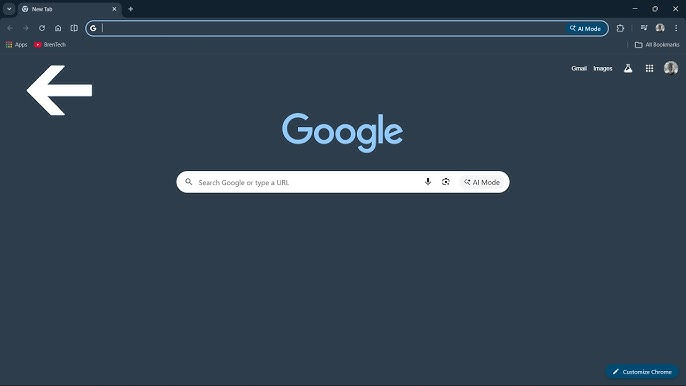
Google is tightening its grip on deceptive web practices with a new policy targeting something most users have experienced but may not recognize: back button hijacking.
Set to take effect on June 15, 2026, the move signals a broader shift in how seriously the company is treating manipulative user experiences across the web.
What is back button hijacking?
Back button hijacking is a deceptive technique that interferes with how your browser’s back button works.
Instead of taking you to the previous page you visited, it redirects you somewhere else—often repeatedly, making it difficult to leave a website.
How it works
Normally, when you click the back button:
- Your browser loads the last page in your history
- You regain control over your navigation
But with hijacking:
- Extra pages are secretly inserted into your browser history
- Clicking “back” loops you through unwanted pages
- You may be redirected to ads, landing pages, or even malicious sites
A simple example
You click on an article, then try to leave:
- First back click → redirects to a different page on the same site
- Second back click → opens a pop-up or ad page
- Third back click → still doesn’t take you where you want
It feels like being “trapped” on a website—and that’s exactly the point.
Why is Google targeting back button hijacking?
Google’s decision is rooted in one core principle: user trust.
It breaks basic web expectations
The back button is one of the most fundamental tools in browsing. When it stops working as expected, users lose confidence not just in a website, but in the web experience itself.
It’s considered a malicious practice
Google now explicitly classifies back button hijacking as a deceptive behavior because it:
- Misleads users
- Forces unwanted interactions
- Manipulates browser functionality
This aligns with its broader policies against spam and low-quality content.
It’s becoming more common
While not new, this tactic has seen a rise due to:
- Aggressive ad monetization strategies
- Third-party scripts and plugins
- Poorly vetted advertising networks
That increase has prompted Google to formalize enforcement rather than rely on general guidelines.
What changes with the new policy?
Starting June 15, 2026, Google will treat back button hijacking as a clear violation of its spam policies.
What counts as a violation
- Injecting fake entries into the browser history
- Preventing users from exiting a page normally
- Redirect loops triggered by navigation actions
- Scripts that override standard browser behavior
What happens to violators
Websites engaging in these practices may face:
- Manual spam actions
- Automated ranking drops in search results
- Reduced visibility or complete deindexing
For publishers, this isn’t just a technical issue; it’s a traffic and revenue risk.
What website owners need to do now
If you run a website, this is not something to ignore.
Immediate steps to take
- Audit your site for suspicious scripts or redirects
- Check how your site behaves when users click the back button
- Remove any code that alters browser history artificially
- Review third-party tools, especially ad networks and plugins
Hidden risks to watch for
Google warns that hijacking isn’t always intentional. It can come from:
- Embedded ad scripts
- Outdated plugins
- External JavaScript libraries
That means even well-meaning site owners could be penalized if they don’t actively monitor their tech stack.
Can websites recover from penalties?
Yes—but it requires action.
Recovery process
If your site is penalized:
- Identify and remove the offending behavior
- Test navigation thoroughly across devices and browsers
- Submit a reconsideration request via Google Search Console
Support options
- Google Search Console documentation
- Community forums
- Official Google Search Central channels
Recovery is possible, but delays can cost significant traffic.
Why this matters for everyday users
Even if you don’t run a website, this change affects your daily browsing experience.
What improves for users
- Fewer “trap” websites
- More predictable navigation
- Reduced exposure to spammy or deceptive pages
In short, a cleaner, more trustworthy web.
The bigger picture: Google’s ongoing cleanup of the web
This move is part of a larger effort by Google to prioritize user experience over manipulative growth tactics.
Recent trends show increasing focus on:
- Eliminating spam and low-quality content
- Penalizing deceptive design patterns
- Rewarding transparent, user-first websites
Back button hijacking is just one piece of that puzzle, but an important one.
TL;DR
- Back button hijacking traps users by manipulating browser navigation
- Google will penalize sites using this tactic starting June 15, 2026
- Violations can lead to ranking drops or removal from search results
- Website owners must audit and fix navigation issues immediately
- The goal is a safer, more user-friendly web experience