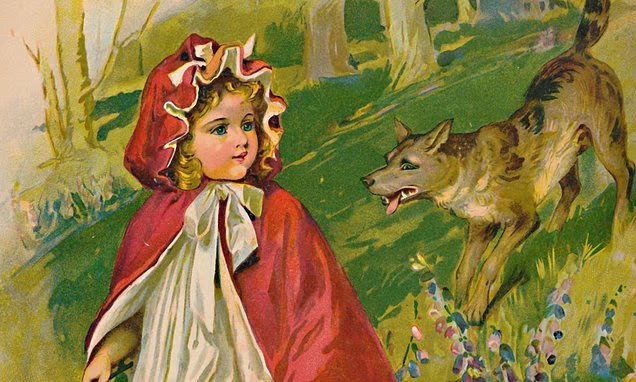
A content warning attached to one of the world’s most recognizable fairy tales has reignited a broader debate over free speech, student welfare, and how universities teach classic literature.
The University of Cambridge’s Clare College recently advised students that a webinar discussing Little Red Riding Hood would include “adult content” and “themes of violence.” The notice, issued before an online humanities session designed for sixth-form students preparing for university, has drawn criticism from free speech advocates while renewing questions about the role of trigger warnings in education.
The controversy is less about a single fairy tale than it is about where universities should draw the line between preparing students for difficult material and protecting them from potentially distressing content.
TL;DR
- Clare College, Cambridge, issued a content warning before a webinar discussing Little Red Riding Hood.
- The session was part of a free humanities course for A-level and GCSE students.
- Students were encouraged to examine fairy tales beyond their surface narratives.
- Critics argue that warning students about centuries-old stories is unnecessary and patronizing.
- The incident follows several previous debates over trigger warnings at Cambridge.
Why did Cambridge issue a Little Red Riding Hood trigger warning?
The warning appeared before an online lecture exploring the history and evolution of bedtime stories. Rather than treating fairy tales as simple children’s entertainment, the course encouraged students to analyze their historical, cultural, and psychological meanings.
According to course notes, participants were informed:
“Content warning: Please note this session will involve discussion of some adult content including themes of violence, with reference to fairytales.”
The webinar formed part of Clare College’s outreach program intended to help state-school students prepare for university-level humanities study. Instead of reading fairy tales literally, students were encouraged to examine the symbolism, moral lessons, and historical context beneath the stories.
The warning therefore referred to the discussion of violent themes rather than suggesting the stories themselves were inappropriate for study.
Little Red Riding Hood has always been darker than many people remember
One reason the warning attracted attention is that modern audiences often associate Little Red Riding Hood with sanitized children’s books.
Historically, however, the story has been significantly darker.
Charles Perrault’s 1697 version
The earliest widely known printed version, published by French author Charles Perrault in 1697, ends tragically.
In that telling:
- The wolf kills the grandmother.
- The wolf also kills Little Red Riding Hood.
- There is no heroic rescue.
- The tale serves primarily as a cautionary story warning young girls about predatory strangers.
The Brothers Grimm adaptation
During the 19th century, Jacob and Wilhelm Grimm published a more hopeful adaptation that has since become the better-known version.
In their retelling:
- The wolf swallows both the grandmother and Red Riding Hood whole.
- A huntsman discovers the sleeping wolf.
- He cuts open the wolf’s stomach and rescues both victims alive.
- Stones are placed inside the wolf before he awakens, causing him to collapse and die.
Although the ending is happier, the story still contains graphic violence by today’s children’s literature standards.
These earlier versions illustrate that fairy tales were historically designed not merely to entertain children but also to warn them about real-world dangers using dramatic—and often disturbing—imagery.
Why are universities using content warnings?
Content warnings, sometimes called trigger warnings, have become increasingly common across higher education over the past decade.
Supporters argue that they:
- Give students advance notice of potentially distressing material.
- Help individuals with trauma prepare emotionally for sensitive discussions.
- Promote accessibility without removing challenging texts from the curriculum.
- Encourage informed participation rather than avoidance.
Importantly, a content warning does not necessarily mean material will be omitted. Instead, it signals the nature of topics students can expect to encounter.
Universities have increasingly applied such notices to works involving violence, sexual assault, discrimination, war, racism, illness, or other potentially distressing subjects.
Why are critics pushing back?
The Cambridge notice quickly became a talking point among critics who argue universities are becoming overly cautious.
Among those criticizing the warning was Lord Toby Young, founder of the Free Speech Union, who argued that placing trigger warnings on fairy tales is “infantilising, even for Cambridge.”
Critics generally make three arguments:
- Classic literature has always explored difficult subjects.
- University students should expect exposure to challenging material.
- Frequent warnings may unintentionally encourage students to view ordinary academic discussions as harmful.
Some scholars have also questioned whether trigger warnings produce measurable psychological benefits, with research producing mixed findings on their effectiveness.
Supporters, however, counter that providing advance notice requires little effort while allowing students to prepare for emotionally difficult discussions without restricting academic freedom.
This is not Cambridge’s first trigger warning controversy
The latest incident fits into a wider conversation that has unfolded at Cambridge over several years.
2017: Classic literature receives warnings
Cambridge’s English department previously placed warning notices on lectures covering several classic literary works.
Sessions considered potentially upsetting displayed warning icons.
Among the texts receiving notices was Shakespeare’s Titus Andronicus, which carried warnings referencing discussions of sexual violence and sexual assault.
2022: Broader guidance for educators
The Cambridge Centre for Teaching and Learning later advised staff to include warning notes on books and plays featuring subjects such as:
- Violence
- Discrimination
- Illness
- Other potentially distressing themes
The guidance aimed to help students prepare for emotionally challenging academic material rather than discourage engagement with it.
Why does this debate matter beyond one fairy tale?
The discussion surrounding Little Red Riding Hood reflects a broader cultural debate taking place across universities in the United Kingdom, the United States, and elsewhere.
At its core are competing priorities:
Academic freedom
Many educators argue universities should expose students to uncomfortable ideas, historical realities, and complex literature without unnecessary barriers.
Student wellbeing
Others believe universities have a responsibility to recognize that students arrive with diverse experiences and that brief content notices can help foster inclusive learning environments.
Neither position necessarily advocates removing difficult material from classrooms. Instead, the disagreement centers on how that material should be introduced.
Fairy tales were never just children’s stories
One lesson emerging from the debate is that fairy tales have always carried deeper meanings than their modern adaptations suggest.
Stories such as Little Red Riding Hood, Hansel and Gretel, and Bluebeard often reflected social fears, moral instruction, and warnings about danger. Many originated long before children’s publishing became a distinct literary category.
Viewed through that lens, Cambridge’s course was less about bedtime stories than about understanding how narratives evolve across centuries and what they reveal about the societies that created them.
Whether a content warning enhances that educational experience or unnecessarily dramatises it remains a matter of opinion—but the discussion itself highlights how even centuries-old stories continue to shape modern conversations about education, culture, and free expression.