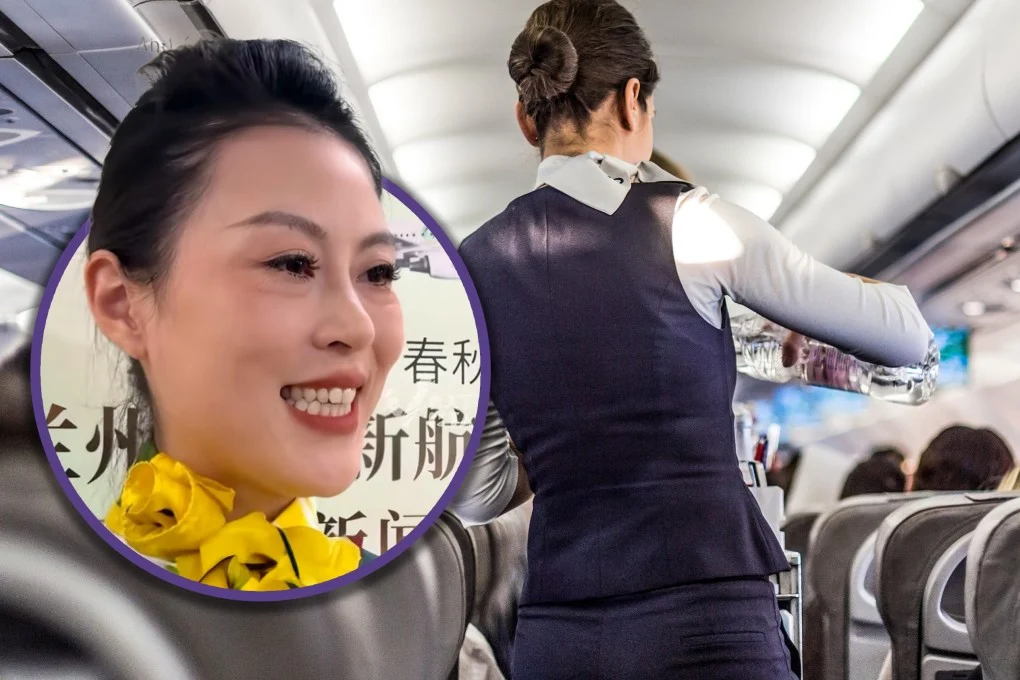
What is the controversy around Spring Airlines’ ‘air aunties’?
A recent recruitment campaign by China’s Spring Airlines has ignited a fierce public backlash after the company announced openings for female flight attendants under the label “air aunties.” The airline, based in Shanghai, specifically invited applications from married women and mothers aged 25–40, claiming they bring empathy and life experience to the role.
However, critics say the use of the term “aunty” is both sexist and ageist, reducing professional women to domestic stereotypes.
The controversy began on October 22, when Spring Airlines released its job posting seeking women “preferably married or with children.” Candidates were required to hold a bachelor’s degree, be between 162 and 174 cm tall, and ideally have customer service experience.
While the airline positioned this initiative as a progressive move to diversify its cabin crew, the public saw something else — a reminder of lingering gender biases in Chinese corporate culture.
Why the term ‘air aunties’ drew outrage
The term “aunty” (阿姨, āyí) in Mandarin is often used as a polite but age-loaded title for middle-aged women, commonly domestic workers or homemakers. Critics argue that using this label for professional flight attendants diminishes their expertise and reinforces outdated gender norms.
One Weibo user commented, “This title is so disrespectful to women. It highlights that they are older and married.” Others said it implied these women were caretakers first and professionals second, perpetuating stereotypes that women’s value lies in nurturing roles rather than skill or competence.
Gender and workplace ageism in China
Traditionally, Chinese airlines have preferred flight attendants between 18 and 25 years old, valuing youth and appearance. The “air aunties” campaign was meant to break that mold by recruiting older women. Yet, its terminology undercut that progressive intent by invoking cultural tropes of “aunties” as maternal figures.
This irony, promoting inclusivity while using diminishing language, became the core of the backlash.
How Spring Airlines defended its campaign
Spring Airlines quickly issued a statement defending the phrase, saying it was not new but rather a revival of a 1990s term used in the Chinese aviation industry. Back then, many laid-off female textile workers were recruited as flight attendants and affectionately called “air aunties.”
A company spokesperson told China News Service that the intent was not to discriminate but to “distinguish married women from unmarried applicants.” The airline also clarified that the pay, duties, and career paths of these recruits are identical to other flight attendants.
According to the airline, it currently employs 88 “air aunties,” with 74% promoted to management roles, which it cited as proof of career advancement and inclusion.
Still, this explanation did little to quell criticism. For many observers, the defense only reinforced how language choices in branding can perpetuate bias — even unintentionally.
What this reveals about gender and employment in China
The “air aunties” episode reflects broader tensions in China’s labor market around gender, age, and societal expectations. Women often face a “double bind”: pressured to marry and have children early, then penalized for the same choices in hiring decisions.
The cultural context
In China, the legal retirement age for women is 50, meaning that many still have decades of potential work ahead of them. Yet, companies often view women over 30 as less employable, especially after marriage or childbirth.
Spring Airlines’ policy, despite its intention to offer jobs to mothers, touched a nerve because it seemed to formalize that bias under a patronizing label.
The global comparison
Globally, airlines have grappled with similar issues. For example:
- In the U.S., airlines like Delta and United no longer impose strict age limits, focusing instead on service quality and safety training.
- In Japan and South Korea, flight attendants often face mandatory retirement or pressure to quit after marriage, a policy increasingly under scrutiny.
This context highlights how Spring Airlines’ controversy fits into a larger conversation about women’s professional identities in service industries worldwide.
Why language in recruitment matters
Words shape perception. In marketing and recruitment, terminology reflects corporate values, and consumers notice.
By using “air aunties,” Spring Airlines may have unintentionally communicated that married women and mothers are being hired for maternal qualities, not professional skills. Such framing, critics argue, undermines efforts toward workplace equality.
For comparison, imagine if Western airlines advertised roles for “sky moms,” the backlash would likely be swift and similar.
How the airline could reframe
Instead of “air aunties,” analysts suggest using neutral, empowering titles such as:
- “Senior flight attendants”
- “Experience crew specialists”
- “Family-friendly service ambassadors”
These alternatives acknowledge experience without gendered connotations.
What’s next for Spring Airlines
The debate continues to trend on Chinese social media, with many urging the Civil Aviation Administration of China (CAAC) to issue clearer gender guidelines for airline recruitment.
Spring Airlines, meanwhile, insists it will continue the program but may reconsider its branding. The controversy underscores the growing awareness among Chinese netizens of workplace equality and gender sensitivity, especially among younger generations.
In the long run, this could push Chinese corporations to rethink not just hiring terms but also how they represent women’s roles in modern workspaces.
TL;DR
Spring Airlines’ recruitment drive for “air aunties,” targeting married women and mothers, was intended to promote inclusivity but sparked backlash for reinforcing stereotypes. Critics say the label reduces professionals to domestic roles. The airline defends the term as a historical reference, but the controversy highlights deeper issues of gendered language and workplace bias in China.