
A celebration that turned catastrophic
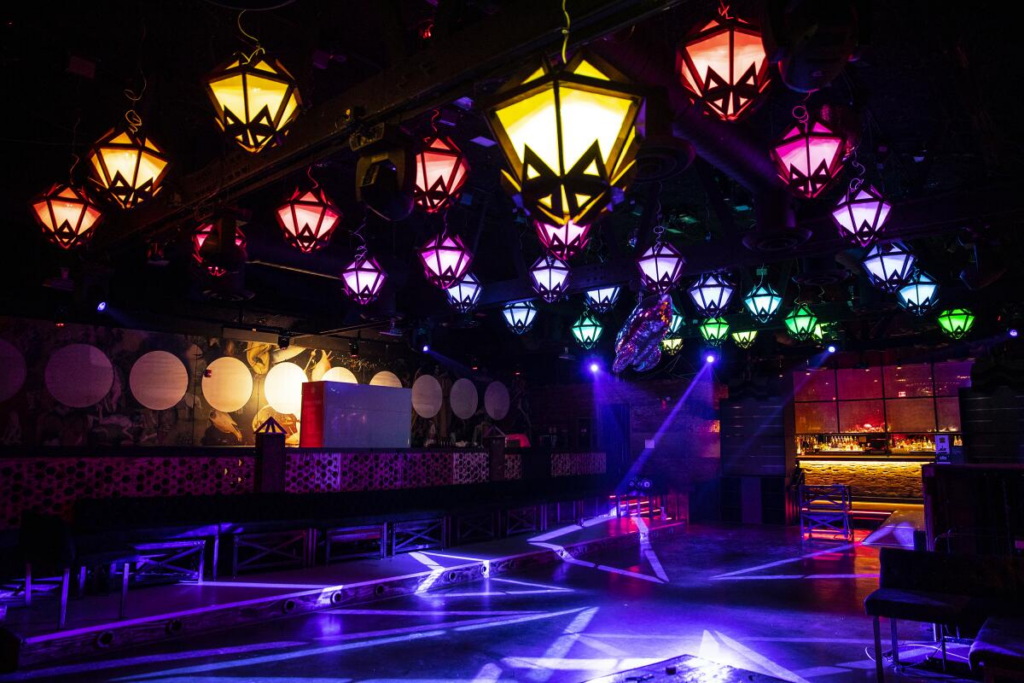
The fire broke out around 1:30 a.m. inside Le Constellation, a basement nightclub hosting a crowded New Year’s Eve event. Witnesses describe a venue filled well beyond typical capacity, with low ceilings and decorative wooden elements, conditions that can accelerate fire spread.
Within moments of ignition, flames reportedly raced across the ceiling. Panic followed. Survivors say smoke filled the room almost immediately, visibility dropped to near zero, and exits became choke points.
The toll
Authorities say nearly 40 people were killed, with more than 100 injured, many suffering severe burns and smoke inhalation. Hospitals across the canton activated emergency protocols to handle the influx of patients.
Did Champagne Sparklers Start the Fire?
Eyewitness accounts point to pyrotechnics
Multiple eyewitnesses speaking to French and Swiss media independently described the same moment: a champagne bottle topped with a sparkler raised too close to the club’s low ceiling. Within seconds, they said, the ceiling caught fire.
One witness told broadcasters that “everything was made of wood,” suggesting highly combustible interior finishes that may have allowed flames to spread rapidly.
A known risk in nightlife settings
Champagne sparklers—often marketed as “cold sparks,” are commonly used in clubs worldwide. But fire safety experts warn that:
- They still emit high-temperature sparks
- They can ignite untreated wood, fabric, or decorative foam
- In low-ceiling venues, heat and sparks have nowhere to dissipate
Why Investigators Are Looking Closely at the Club’s Promotions
Promotional videos under scrutiny
Investigators are reviewing promotional footage posted by the club in 2024 that shows staff carrying champagne bottles crowned with sparklers during choreographed table service. The imagery suggests this was not a one-off celebration but a routine feature of the club’s brand.
That matters because investigators must determine:
- Whether sparklers were approved for indoor use
- If staff were trained in fire safety protocols
- Whether local authorities were aware of these practices
Safety standards in question
Swiss authorities are examining whether the club complied with regulations on:
- Fire-resistant ceiling materials
- Maximum occupancy limits
- Emergency exit placement and accessibility
- Sprinkler and alarm systems
If violations are found, responsibility could extend beyond the spark itself to broader systemic failures.
How Fast Fires Spread in Enclosed Nightclubs
The science behind rapid flashovers
In enclosed spaces with flammable materials, fires can escalate in under a minute. A spark ignites a surface, heat rises, and combustible gases accumulate near the ceiling. Once a critical temperature is reached, a flashover can occur, igniting everything in the room almost simultaneously.
This pattern mirrors past night club tragedies, from the 2003 Station Nightclub fire in the US to incidents across Europe involving indoor pyrotechnics.
The Challenge of Identifying Victims
Why is identification taking time
Swiss investigators say identifying victims has been complicated by:
- Severe burns
- Loss of personal identification in the fire
- International guests visiting the ski resort
Forensic teams are relying on DNA analysis, dental records, and coordination with foreign embassies. Authorities have urged families not to speculate and to wait for official confirmation.
A community in mourning
Outside the club, mourners have left flowers and candles. The tragedy has cast a shadow over what is usually one of Switzerland’s most festive winter destinations.
What Happens Next in the Investigation?
Key questions authorities must answer
Investigators are focusing on several unresolved issues:
- What exactly ignited the first flame?
- Were sparklers legally permitted indoors at the venue?
- Did the club meet Swiss fire safety and occupancy regulations?
- Were emergency exits sufficient and clearly marked?
Criminal liability will depend on whether negligence, regulatory violations, or unauthorized pyrotechnics are established.
Broader implications for nightlife safety
The case is already prompting calls for:
- Tighter controls on indoor pyrotechnics
- More frequent safety inspections of nightlife venues
- Clearer public guidelines on celebratory devices
Why This Tragedy Matters Beyond Switzerland
Nightlife venues worldwide use similar celebratory effects. The Crans-Montana fire underscores a hard lesson: small visual spectacles can carry outsized risks in confined spaces. As investigations continue, the findings could influence safety standards far beyond the Swiss Alps.
TL;DR
- Nearly 40 people were killed in a New Year’s Eve nightclub fire in Crans-Montana, Switzerland.
- Eyewitnesses say champagne sparklers may have ignited the blaze.
- Investigators are examining club promotions, fire safety compliance, and emergency exits.
- The tragedy raises global questions about indoor pyrotechnics and nightlife safety.