
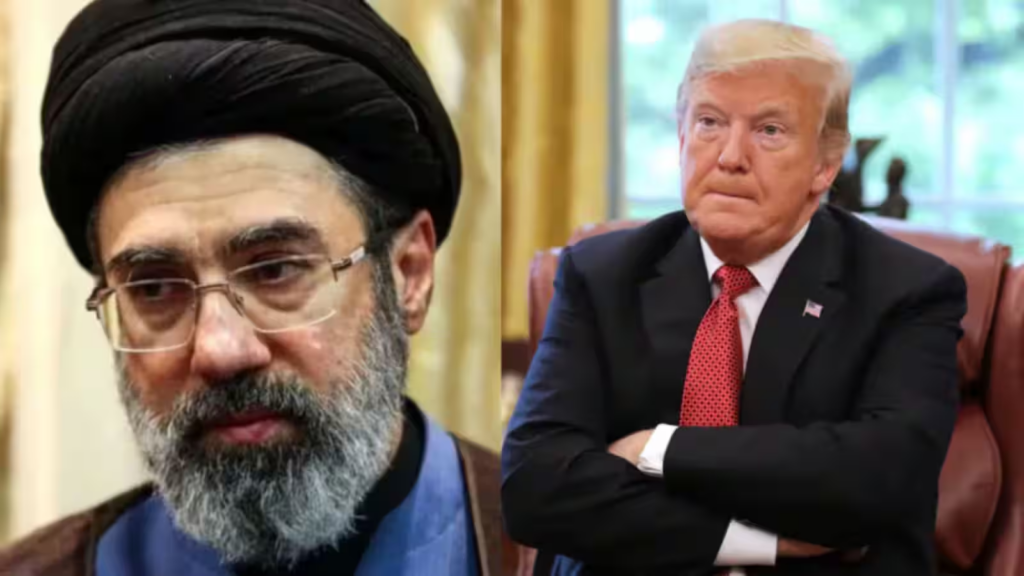
The Iran–U.S. conflict may be entering a new phase. According to Axios reports, Donald Trump is reviewing a fresh proposal from Iran that could pause hostilities and reopen one of the world’s most critical oil routes, the Strait of Hormuz.
At first glance, the proposal looks like a de-escalation plan. But the details reveal a more strategic move: Iran wants to separate immediate conflict resolution from the more contentious nuclear negotiations.
What Is Iran’s New Proposal to End the War?
Iran’s proposal, reportedly delivered through mediators including Pakistan and Oman, lays out a phased approach to ending the conflict.
At its core, the plan suggests:
- Immediate steps to halt military escalation
- Reopening global oil transit routes
- Postponing nuclear negotiations to a later stage
This sequencing is not accidental. It reflects Iran’s attempt to gain economic breathing room before entering high-stakes nuclear talks.
Why Delay Nuclear Talks?
Iran appears to be drawing a clear line: no negotiations under pressure.
Tehran has repeatedly stated it won’t engage in what it calls “imposed negotiations”—especially while facing sanctions, blockades, or military threats. By delaying nuclear discussions, Iran is trying to:
- Reduce leverage held by Washington
- Rebuild economic stability through oil exports
- Shift negotiations to a less coercive environment
This move also complicates U.S. strategy, which has centered on curbing uranium enrichment as a precondition for broader agreements.
What Are the Three Stages of the Proposed Deal?
The proposal outlines a structured, three-step framework.
Stage 1: Immediate End to Hostilities
The first phase calls for a complete ceasefire, including halting operations involving regional actors like Hezbollah in Lebanon.
This step is crucial for stabilizing the region quickly and reducing the risk of escalation into a wider war.
Stage 2: Reopening the Strait of Hormuz
The second phase focuses on restoring maritime traffic through the Strait of Hormuz.
Why this matters:
- Nearly 20% of the global oil supply passes through this narrow waterway
- Any disruption directly impacts global energy prices
- Shipping insurance costs spike during instability
Reopening the Strait would signal a return to economic normalcy and could ease pressure on global markets.
Stage 3: Delayed Nuclear Negotiations
Only after stability is restored would talks begin on Iran’s nuclear program.
This is the most contentious part of the proposal. The U.S. has consistently demanded:
- Suspension of uranium enrichment
- Removal or reduction of enriched uranium stockpiles
By pushing this to the final stage, Iran is effectively asking for concessions first, negotiations later.
How Is the U.S. Responding?
The proposal has triggered high-level discussions in Washington. Donald Trump is expected to convene a Situation Room meeting with national security officials to evaluate next steps.
Publicly, the U.S. position remains firm:
- Iran must not obtain nuclear weapons
- Any deal must prioritize U.S. security interests
- Negotiations will not happen under perceived pressure
A White House spokesperson emphasized that the U.S. “holds the cards,” signaling reluctance to accept Iran’s sequencing without concessions.
Why the Strait of Hormuz Is the Real Flashpoint
While nuclear weapons dominate headlines, the immediate stakes are economic.
The Strait of Hormuz is arguably the most important chokepoint in global energy supply. Even minor disruptions can:
- Spike oil prices worldwide
- Impact inflation in major economies
- Trigger supply chain disruptions
Iran’s willingness to reopen the strait is both a bargaining chip and a signal—it knows where the pressure points are.
What Led to This Proposal?
Recent diplomatic efforts have struggled to gain traction.
Key developments include the following:
- Iran stepping back from earlier negotiations, citing “excessive demands.”
- Cancellation of U.S. envoy visits to Islamabad
- Shuttle diplomacy involving Abbas Araghchi across Pakistan, Oman, and Russia
- Planned talks between Iran and Vladimir Putin
Meanwhile, domestic pressure is building in the U.S., where the war’s political cost is rising.
What Does Each Side Really Want?
Understanding the proposal requires looking beyond the text to the strategy.
Iran’s Objectives
- Immediate economic relief through restored oil exports
- Removal of naval and economic blockades
- Negotiations on its own terms, not under pressure
U.S. Objectives
- Prevent Iran from developing nuclear weapons
- Maintain leverage through sanctions and military presence
- Secure a verifiable and enforceable agreement
These goals are not inherently incompatible, but the sequencing is where friction lies.
What Happens Next?
The proposal is not a deal—it’s an opening move.
Possible scenarios include:
- Partial acceptance: U.S. agrees to ceasefire and maritime reopening, but pushes for earlier nuclear commitments
- Rejection: Talks stall, prolonging tensions and economic disruption
- Modified deal: Mediators like Pakistan and Oman broker a compromise timeline
The next few weeks will likely determine whether this becomes a pathway to peace or another missed opportunity.
Why This Moment Matters
This proposal is less about ending a war overnight and more about redefining how negotiations happen.
By separating military de-escalation from nuclear talks, Iran is testing whether diplomacy can proceed in stages rather than all-or-nothing agreements.
For the U.S., the challenge is deciding whether flexibility now leads to leverage later, or weakens its position entirely.
TL;DR
- Iran has proposed a three-stage plan to end the war with the U.S.
- Key step: reopening the Strait of Hormuz, critical for global oil supply
- Nuclear negotiations would be delayed, not immediate
- The U.S. is reviewing the proposal, but remains firm on preventing Iran from obtaining nuclear weapons
- The outcome could reshape both regional stability and global energy markets