TL;DR
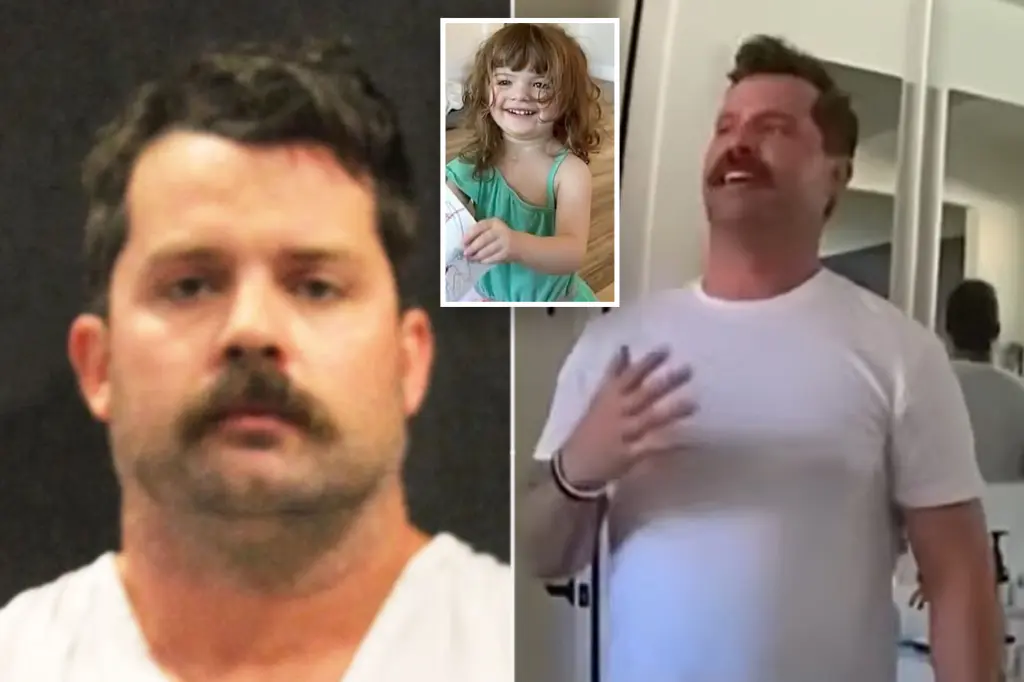
Christopher Scholtes, a 38-year-old Arizona man, killed himself a day before reporting to prison for the death of his 2-year-old daughter, Parker, who died after being left in a hot car. Court records and a new lawsuit from his 17-year-old daughter reveal this wasn’t an isolated act but the culmination of over a decade of neglect, emotional abuse, and manipulation.
What happened in the Arizona hot car case
In July 2024, Christopher Scholtes left his 2-year-old daughter, Parker, inside a car for more than three hours during a 109°F Tucson afternoon. While she suffocated in the heat, prosecutors said, Scholtes was inside his home watching porn, drinking beer, and playing video games.
When he finally returned to the car, Parker was dead. Scholtes told police he had “forgotten” she was there after she fell asleep during a short drive. He later pleaded guilty to second-degree murder and was facing up to 30 years in prison.
Just a day before his scheduled reporting to prison, Scholtes died by suicide at a home in Phoenix. Pima County Attorney Laura Conover confirmed his death, stating: “Instead of coming in to take account for what has occurred here, we have been informed, and we have confirmed, that the father took his own life last night.”
How long had the abuse been happening
According to a newly filed civil lawsuit by Scholtes’ 17-year-old daughter, this tragedy was not a single lapse in judgment but a predictable end to a long history of abuse and neglect.
“The first time he did it was with me when I was younger than seven,” the teen told News 4 Tucson, describing how her father would lock her in parked cars for hours.
Her lawsuit paints a disturbing picture: a father who repeatedly exposed his children to danger, ignored their cries for help, and built a home filled with physical, emotional, and psychological trauma.
What are the allegations in the daughter’s lawsuit
Filed on October 28, 2025, just days before Scholtes’ suicide, the lawsuit accuses him of:
- Assault and battery, for physical harm and intimidation
- Child abuse, for intentionally exposing her to dangerous situations
- Emotional and psychological abuse, leading to PTSD, depression, and suicidal ideation
- Fraud, for allegedly creating a fake conservatorship to collect financial benefits while she lived with her late mother
The lawsuit claims Scholtes intentionally caused her to fear for her safety and made harmful and offensive physical contact. It adds that she now struggles with severe emotional distress, anxiety, and long-term psychological harm.
What do investigators say about his pattern of behavior
When Scholtes was arrested in 2024, investigators discovered this pattern had been ongoing for years.
His surviving daughters, all under 10 at the time, told authorities their father routinely left them in cars while running errands or playing games inside.
Text messages obtained by investigators revealed that Scholtes’ wife had repeatedly warned him:
“I told you to stop leaving them in the car,” she texted after Parker’s death.
“How many times have I told you?”
Scholtes replied, “Babe, I’m sorry. Babe, our family. How could I do this? I killed our baby. This can’t be real.”
Despite acknowledging guilt, Scholtes maintained in interviews that he “never meant harm,” a statement prosecutors described as consistent with a decade-long pattern of selfish disregard.
Why this case exposes deeper systemic issues
This case underscores several critical failures that allowed abuse to continue for years.
- Lack of follow-up on child welfare reports: If prior neglect incidents had been documented, stronger intervention might have prevented Parker’s death.
- Cultural desensitization to hot-car deaths: The U.S. records around 30 to 40 child vehicular heatstroke deaths annually, according to the National Highway Traffic Safety Administration (NHTSA).
Yet experts say many of these are preventable with public awareness campaigns and technological safeguards in vehicles. - Limited mental health intervention for repeat abusers: Scholtes’ wife and older children reportedly witnessed signs of psychological instability, yet no mental health evaluation appears to have been mandated by the court before the fatal incident.
How the family’s story might shape future legal reform
Legal analysts say the daughter’s lawsuit could spark policy discussions on retroactive accountability for patterns of child neglect.
If successful, her case could set a precedent allowing civil suits against deceased abusers’ estates, enabling victims to seek restitution even after a perpetrator’s death.
Experts also argue that parental guardianship and conservatorship laws should be revisited to prevent fraud or misuse of financial aid meant for children in vulnerable homes.
“When someone can manipulate the legal system to profit off a child while abusing them, it’s a failure of oversight,” said a Tucson-based family law expert.
A pattern of silence and the price of inaction
The tragedy of Parker Scholtes is both deeply personal and profoundly systemic.
It highlights what happens when patterns of harm are dismissed as accidents until they end in irreversible loss.
While the father’s suicide closes one chapter, his eldest daughter’s lawsuit ensures the broader story of neglect, trauma, and institutional failure will not fade from public view.