
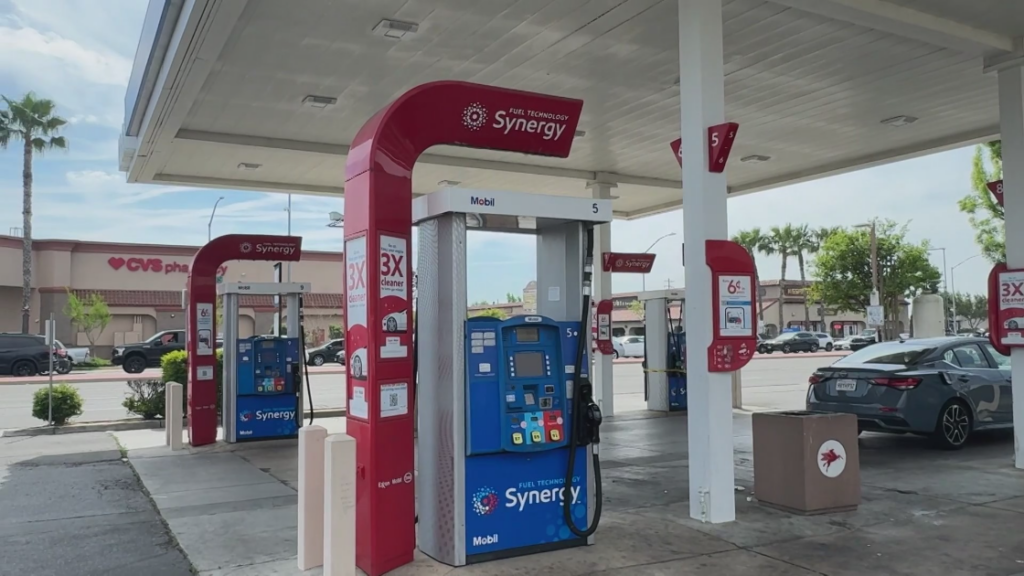
The Iran war oil prices surge has driven fuel costs sharply higher across the United States. But for a few late-night hours in California, reality flipped: one gas station accidentally sold fuel at just 59 cents a gallon.
The incident—now under investigation—offers a strange but telling contrast. As global markets reacted to escalating tensions between the United States and Iran, a local glitch (or possible hack) temporarily erased the price shock for a handful of drivers.
TL;DR
- A California gas station sold fuel at 59 cents per gallon due to a glitch
- The station may have been hacked; the investigation is ongoing
- Meanwhile, Iran’s war on oil prices surged past $100 per barrel globally
- California gas remains among the highest in the US due to taxes and regulations
- A proposed ceasefire has started easing oil prices slightly
What Happened at the Fresno Gas Station?
At a Mobil station in Fresno’s Central Valley, customers filled their tanks at a price that looked like a throwback to another era.
What We Know
- Gas was sold at $0.59 per gallon for several hours
- Receipts showed the correct listed price (~$5.95), but billing used the lower rate
- Customers paid as little as:
- $8.97 for 15 gallons
- $3.49 for 6 gallons
The station—identified as C’s Oasis Mobil—has since corrected the issue. Its parent brand, ExxonMobil, has launched an inquiry into what went wrong.
Glitch or Hack?
The station’s owners suspect unauthorized access to their pricing system, though no official conclusion has been announced.
Why this matters: Modern fuel pricing is digitally controlled. A breach—even temporary—can cause immediate financial losses and raise broader concerns about infrastructure security.
How the Iran War Is Driving Oil Prices Higher
The bizarre pricing error comes against a backdrop of genuine global volatility.
What Triggered the Surge?
- Escalation following US strikes on Iran
- Disruptions tied to the Strait of Hormuz
- Heightened risk to oil supply routes
Global benchmark prices surged:
- Brent crude neared $120 per barrel at its peak
- Later eased to around $98
- WTI crude hovered near $87
These swings reflect how sensitive energy markets are to geopolitical risk.
Why the Strait of Hormuz Matters
The Strait of Hormuz is one of the world’s most critical oil chokepoints.
- Roughly 20% of the global oil supply passes through it
- Any disruption sends immediate shockwaves through markets
Why Gas Is So Expensive in California
Even before the Iran war, oil prices surged, and California drivers were paying more than most Americans.
Current Price Snapshot
- California average: ~$5.82 per gallon
- Pre-war: ~$4.64 per gallon
- US average: ~$2.98 per gallon
What Drives the “California Premium”?
- Higher state excise and sales taxes
- Additional costs from climate and emissions programs
- Use of a special cleaner-burning fuel blend
- Limited in-state refining capacity
Bottom line: California’s higher prices are structural—not just tied to global oil trends.
Did the Ceasefire Proposal Affect Oil Prices?
There are early signs of relief.
A proposed ceasefire framework from the United States—reportedly sent via Pakistan—has helped cool markets slightly.
What’s in Play?
- A potential one-month pause in hostilities
- Backchannel negotiations with Iran
- Market expectations of reduced supply disruption
Oil prices dipped after the announcement, reflecting cautious optimism.
Key insight: Oil markets often react to expectations, not just events. Even the possibility of de-escalation can move prices.
What This Incident Reveals About Energy Markets
The Fresno glitch is unusual, but it highlights deeper truths.
1. Prices Are Highly Sensitive
- Global conflict can push prices up rapidly
- Local system errors can briefly reverse that
2. Digital Infrastructure Is a Weak Link
- Fuel pricing is automated and networked
- Vulnerabilities can lead to real-world losses
3. Consumers Bear the Volatility
- Drivers typically feel price spikes immediately
- The benefits of price drops are often slower to appear
Could This Happen Again?
While rare, pricing glitches do happen—and not just at gas stations.
Possible Causes
- Software errors
- Misconfigured pricing updates
- Cybersecurity breaches
Given the financial stakes, companies typically implement safeguards. But this case suggests gaps may still exist.
What Happens Next?
Two parallel storylines are unfolding:
1. The Investigation
- ExxonMobil is probing the pricing anomaly
- Authorities may examine cybersecurity vulnerabilities
- Station owners could seek compensation or insurance relief
2. The Global Oil Market
- Watch for developments in US-Iran tensions
- Monitor shipping activity in the Strait of Hormuz
- Track whether the ceasefire talks progress
Why This Story Matters
At first glance, a cheap gas glitch sounds like a quirky local story. But it sits at the intersection of geopolitics, technology, and everyday economics.
- A war thousands of miles away drives up prices
- A potential cyber incident temporarily erases them
- Consumers are caught in between
That contrast is what makes this story more than just a viral moment.
Final Take
The Iran war oil price surge is a reminder of how fragile global energy systems can be. The Fresno glitch, while likely accidental or malicious on a local level, underscores just how dependent pricing is on both geopolitics and technology.
For a few hours, drivers got a break. For everyone else, the bigger forces shaping fuel prices remain firmly in control.