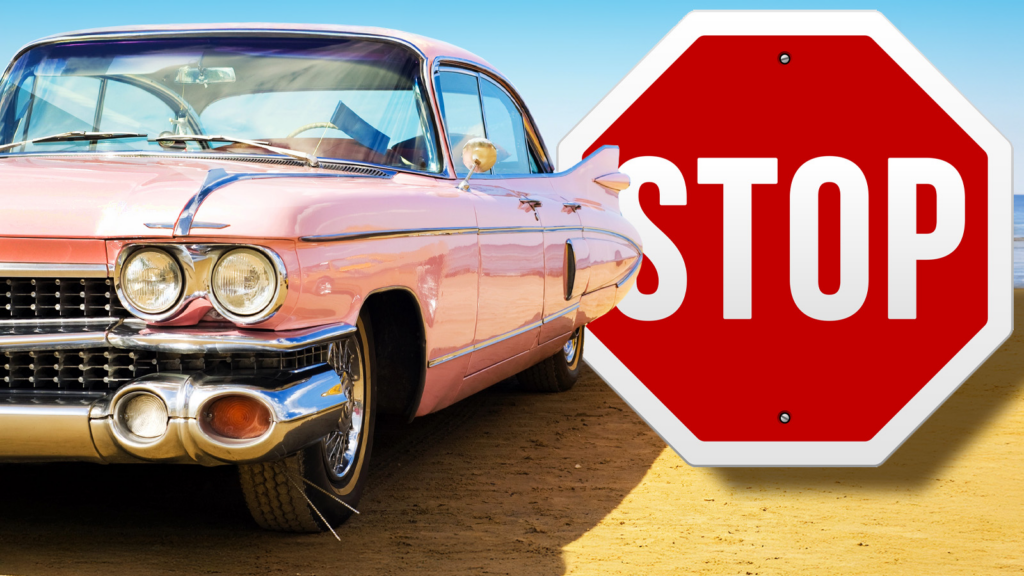
A proposed update to Minnesota’s vehicle registration rules is stirring concern among collectors, restorers, and weekend drivers alike. The Minnesota classic car law under review could sharply redefine when and how classic cars are allowed on public roads.
At the center of the debate is House File 3865, a bill introduced by Meg Luger-Nikolai, which aims to overhaul how “collector class” vehicles are regulated. While much of the legislation focuses on administrative cleanup, one provision has sparked outsized attention.
What does the Minnesota classic car law propose?
The bill reframes how collector vehicles can be used, emphasizing that they are not meant for everyday transportation.
Key restriction in simple terms
If passed in its current form, the bill would allow classic cars to be driven only:
- For official purposes such as:
- Car club events
- Exhibitions and shows
- Parades or organized tours
- Or during a limited public-use window:
- Saturdays and Sundays
- From sunrise to sunset
What’s effectively restricted
By omission, the bill would likely prohibit:
- Weekday casual driving
- Nighttime driving, even on weekends
- Routine errands or commuting in classic cars
It’s less about banning use outright and more about narrowing it into a carefully fenced lane.
Why is this change significant?
Previous Minnesota rules focused mainly on intent rather than timing. Owners weren’t supposed to use classic cars as daily drivers, but enforcement was relatively loose.
What’s different now
The new proposal introduces:
- Specific time-based restrictions
- A clearer definition of “acceptable use”
- Less ambiguity for enforcement
That shift moves the law from principle to precision and that’s what has enthusiasts on edge.
Which vehicles would be affected?
Minnesota uses several classifications for vintage and specialty vehicles. The bill would apply broadly across these categories.
Major classifications include
- Pioneer plates
- Classic car plates
- Street rod plates
- Collector plates
This means the impact wouldn’t be limited to rare museum pieces. It would extend to a wide spectrum of enthusiast-owned vehicles.
How does this compare to other states?
Minnesota isn’t alone in tightening how classic cars are regulated, but its approach stands out for its specificity.
A notable comparison
California has explored similar ideas through proposed emissions exemptions tied to limited vehicle use. The effort, informally dubbed “Leno’s Law,” is associated with car enthusiast Jay Leno.
Key difference
- California’s focus: emissions exemptions based on limited use
- Minnesota’s focus: direct restrictions on when vehicles can be driven
In other words, one regulates environmental impact, the other regulates time and behavior.
Why are lawmakers considering this bill?
At its core, the legislation reflects a balancing act between preservation and practicality.
Possible motivations
- Ensuring classic vehicle plates aren’t used to bypass standard regulations
- Reducing wear and tear on aging vehicles not designed for modern traffic
- Clarifying enforcement for law enforcement agencies
- Aligning usage with the “collector” designation
Classic car registration often comes with benefits such as lower fees or relaxed requirements. Lawmakers may be trying to ensure those benefits aren’t misused.
Where does the bill stand right now?
HF 3865 is now before the Transportation Finance and Policy committee for review, the first step toward advancing through the legislature. Should it pass both chambers, it would reach Governor Tim Walz’s desk—and notably, Walz owns a classic 1979 International Harvester Scout, putting him in the position of signing a bill that impacts vehicles like his own.
What happens next
- Committee evaluation and possible amendments
- Votes in both legislative chambers
- Final approval or veto by Tim Walz
Interestingly, Walz himself owns a vintage vehicle, a 1979 International Harvester Scout, placing him in a unique position as both policymaker and enthusiast.
What would this mean for classic car owners?
If enacted without changes, the bill would reshape how owners interact with their vehicles.
Practical impact
- Weekend daytime becomes the primary driving window
- Spontaneous drives become harder to justify
- Weekday use would require a formal event or purpose
- Night drives, often popular among enthusiasts, would disappear
Owning a classic car would feel less like having a second vehicle and more like managing a scheduled experience.
Why are enthusiasts concerned?
For many owners, classic cars aren’t just collectibles. They’re part of a lifestyle.
Key concerns
- Loss of flexibility and spontaneity
- Reduced opportunities for community engagement
- Potential decline in classic car culture visibility
- Questions about how strictly rules will be enforced
There’s also concern about unintended consequences. If usage becomes too restrictive, it could discourage ownership or restoration efforts.
Could the bill still change?
Yes and that’s important.
Legislation often evolves as it moves through committees and public feedback cycles.
Possible changes
- Expanded driving hours
- Exceptions for maintenance or short trips
- Clarification of ambiguous language
- Adjustments based on stakeholder input
Pushback from car clubs and collectors could influence revisions before final passage.
Why this story matters beyond Minnesota
The Minnesota classic car law could set a precedent.
Broader implications
- Other states may adopt similar time-based restrictions
- It could redefine what “collector vehicle” means nationwide
- Insurance, emissions, and registration policies could follow suit
In a sense, this isn’t just about when you can drive a vintage Mustang or Camaro. It’s about how governments define the role of legacy machines in a modern, regulated world.
TL;DR
- Minnesota’s proposed bill could limit classic car driving to weekends during daylight
- Weekday and nighttime use would largely be restricted
- The goal is to enforce “collector-only” usage more strictly
- Enthusiasts worry about reduced flexibility and cultural impact
- The bill is still under review and could change before becoming law