In Minnesota, a new video by independent creator Nick Shirley is grabbing national attention and controversy. The widely viewed video extends Shirley’s investigation into alleged abuse of state benefit programs, this time focusing not on daycare centers but on a little-known company called Advanced Mobility, listed in state records as a transportation business.
Shirley’s latest footage shows him and whistleblower David Hoch pursuing leads tied to Advanced Mobility as part of broader claims related to Medicaid-funded services. The clip appears to confront people at a Minneapolis address linked to the company, sparking fresh debate about fraud, media accountability, and public services.
Who Is Nick Shirley, and Why Is This Trending?
Nick Shirley is a 23-year-old YouTuber and independent content creator whose videos investigating alleged fraud in Minnesota’s public benefit programs recently went viral. His first widely shared video alleged extensive misuse of the state’s Child Care Assistance Program, particularly targeting Somali-run daycare centers, and became a national talking point, even prompting federal inquiries and political debate.
While Minnesota officials have emphasized that state inspections found no formal evidence of fraud at many of the daycare facilities Shirley highlighted, the videos fueled a wider spotlight on fraud risks in public programs and drew responses from high-profile political figures.
What Is Advanced Mobility?
According to Minnesota state business records, Advanced Mobility is registered as a transportation company, not a daycare or childcare service. Public filings do not clearly show how or why it would be connected to alleged daycare fraud. The company’s inclusion in Shirley’s latest video appears linked to broader claims around the misuse of Medicaid-related funds, specifically in programs that pay for nonemergency medical transportation services.
Nonemergency medical transportation is a Medicaid-funded program designed to help eligible beneficiaries get to medical appointments, treatment visits, and other essential services. The program has been under scrutiny for years as lawmakers and providers have raised concerns about oversight and potential abuse.
However, public records and state billing data do not clearly link Advanced Mobility to confirmed instances of fraud, and Minnesota’s Department of Human Services has not publicly identified the company as a sanctioned or investigated provider in official fraud proceedings.
What Happened in Minneapolis?
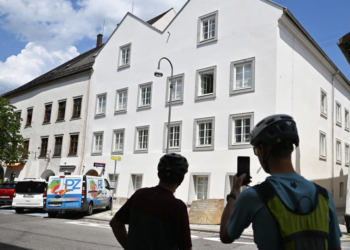
In the new video, Shirley and Hoch are shown attempting to visit an address in Minneapolis associated with Advanced Mobility on paper. According to clips circulating online, Shirley is confronted by residents or workers at the location. There is no indication that law enforcement was involved, and it remains unclear whether the address hosts an active business facility tied to transportation services.
Because details remain limited and video evidence alone cannot confirm fraudulent activity, interpretations of the footage vary widely among viewers.
Broader Context: Minnesota’s Ongoing Fraud Scrutiny
Shirley’s expanded investigation into Advanced Mobility comes amid heightened scrutiny of several Minnesota public assistance programs. The state has long faced questions about oversight in services like nonemergency medical transportation, which pays providers to take Medicaid recipients to appointments, and recent assessments show billions in federal and state dollars flow through these systems each year.
The state’s medical transportation program, in particular, has been labeled “high-risk” for fraud due to gaps in monitoring and billing practices, prompting legislative and administrative reviews. Critics say more robust oversight is needed, while others warn against painting broad communities or service providers as automatically culpable without evidence.
Official Reactions and Responses
Minnesota officials have responded to Shirley’s earlier daycare fraud video by stating that regular inspections showed children present at most facilities, and no evidence of fraud was found during recent reviews. Authorities are re-examining sites highlighted in the viral videos, and the state has reopened investigations to ensure accuracy in claims.
Similarly, there has been no formal state statement assigning blame to Advanced Mobility or deeming it part of confirmed fraud schemes.
What This Means for Public Perception
The Advanced Mobility segment underscores how online investigations, especially those tied to complex public programs like Medicaid, can blur lines between substantiated findings and speculative interpretation. When presented through highly engaging video narratives, such claims can rapidly amplify public attention, even if official audits or oversight bodies have not corroborated them.
This dynamic is part of a broader trend in which social media creators influence public discourse around government spending and accountability for better or worse.
Conclusion: Advanced Mobility and the Minnesota Fraud Narrative
At this stage, Advanced Mobility remains a company listed as a transportation provider, and available public records do not substantiate claims that it has been formally investigated for fraud. Shirley’s new video places it at the center of another chapter in a rapidly evolving public conversation around fraud, oversight, and how citizen journalism intersects with official scrutiny.
As investigations continue, both state agencies and federal authorities are expected to clarify how transportation services and other programs are monitored and whether allegations against specific entities like Advanced Mobility have merit. Until then, interpretation of Shirley’s footage will remain contested, with watchers divided between skepticism, concern, and the broader political context shaping the debate.