
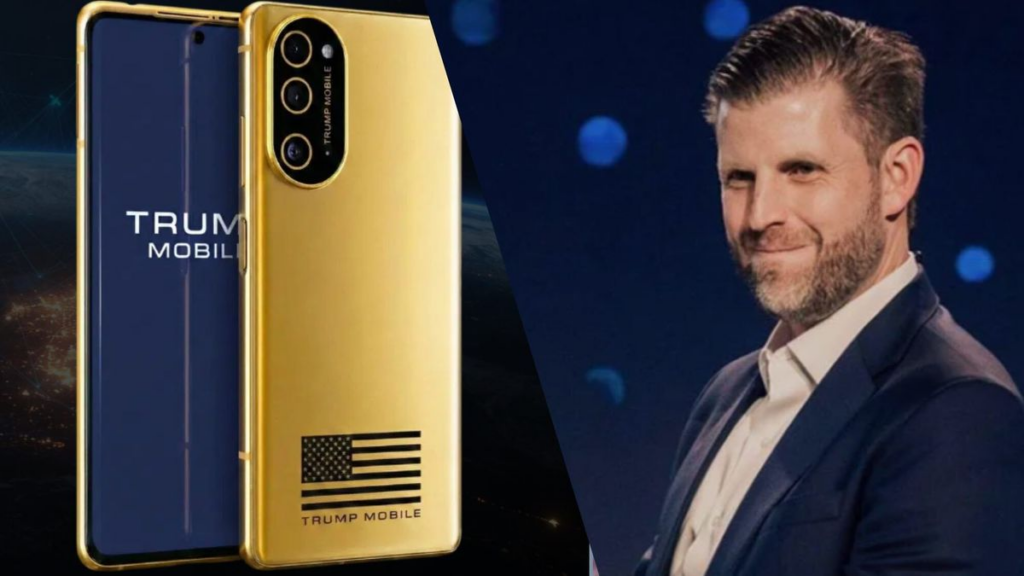
Trump Mobile is facing scrutiny after a significant data breach exposed personal information belonging to customers who pre-ordered the company’s upcoming T1 smartphone.
YouTuber Coffeezilla first reported the breach, and TechCrunch later confirmed it. Exposed data reportedly included names, phone numbers, physical addresses, and email addresses tied to customers who interacted with the company’s preorder system.
The incident raises fresh concerns about cybersecurity practices at a politically connected consumer tech brand that has already faced questions over delays, payment handling, and customer transparency.
What Happened in the Trump Mobile Data Breach?
According to reports, the leak stemmed from a security vulnerability connected to a third-party vendor working with Trump Mobile.
A spokesperson for the company, Chris Walker, confirmed the breach but reportedly declined to provide additional details regarding:
- The vendor involved
- How long the vulnerability existed
- How many users may have been affected
- Whether financial information was exposed
The identity of the vendor has not been publicly disclosed.
What Information Was Allegedly Exposed?
The leaked data reportedly included:
- Customer names
- Email addresses
- Physical mailing addresses
- Phone numbers
At this stage, there has been no public confirmation that passwords, government IDs, or complete payment card details were exposed. However, even basic personal information can create risks for phishing attacks, scams, and identity fraud.
A good place for an infographic would be:
- “What personal data breaches typically expose”
- “How leaked customer data can be exploited”
Coffeezilla Says the Vulnerability Has Been Fixed
Coffeezilla reported that the underlying security flaw has since been patched.
That may reduce the immediate risk of further exposure, but cybersecurity experts often warn that the consequences of leaked personal information can continue long after vulnerabilities are fixed.
Coffeezilla also publicly cautioned users against placing orders through TrumpMobile.com until stronger confidence in the platform’s security practices is established.
Trump Mobile’s Launch Has Already Faced Problems
Trump Mobile was unveiled in June 2025 after Donald Trump returned to the White House for a second term.
The venture was promoted by Trump’s sons:
- Eric Trump
- Donald Trump Jr.
The company positioned itself as a conservative-friendly telecom and smartphone brand aimed at consumers seeking alternatives to mainstream wireless providers.
But the rollout has not gone smoothly.
Reports of Unauthorized Charges Raised Earlier Concerns
Some journalists and early-access testers previously reported unauthorized charges appearing on their accounts after submitting payment information tied to a $100 preorder deposit for the T1 phone.
Those claims fueled broader concerns about:
- Payment processing security
- Vendor management
- Consumer protection safeguards
- Operational readiness before launch
The latest breach is likely to intensify scrutiny from both regulators and cybersecurity analysts.
Why Third-Party Vendors Are Often a Weak Link
The Trump Mobile incident reflects a broader cybersecurity trend.
Many companies outsource parts of their infrastructure — including customer databases, payment systems, analytics, and cloud hosting — to outside vendors. That creates additional attack surfaces.
Recent high-profile breaches across industries have frequently involved:
- Cloud service providers
- Customer support vendors
- Marketing platforms
- Payment processors
- Software supply chains
Cybersecurity experts increasingly argue that vendor oversight is now just as important as internal security controls.
Trump Mobile Is Still Deciding Whether to Notify Customers
One of the most controversial aspects of the story involves the company’s response to affected users.
According to statements cited by TechCrunch, the company is “evaluating whether it needs to notify customers” about the exposure.
That wording has drawn criticism because many US states have data breach notification laws requiring companies to inform affected individuals when certain categories of personal data are compromised.
Whether notification becomes legally required may depend on:
- The type of data exposed
- The number of affected individuals
- Which states do customers reside in
- Whether sensitive financial data was involved
Why Transparency Matters After a Data Breach
Consumer trust often depends less on whether a breach occurs and more on how companies respond afterwards.
Cybersecurity specialists generally recommend that companies:
- Notify users quickly
- Explain what data was exposed
- Offer mitigation guidance
- Provide identity monitoring if necessary
- Publicly disclose corrective measures
Delayed or unclear communication can deepen reputational damage.
Political Branding Adds Another Layer to the Fallout
Because Trump Mobile is tied to the family of sitting US President Donald Trump, the breach may attract more political attention than a typical startup cybersecurity incident.
Critics are likely to question:
- Whether the company launched too quickly
- Whether adequate cybersecurity testing occurred
- How customer data was protected
- Whether political branding overshadowed operational readiness
Supporters, meanwhile, may argue the company is being subjected to outsized scrutiny because of its association with Trump.
What Customers Should Do Now
Users who shared personal information with Trump Mobile may want to:
- Monitor financial statements and credit card activity
- Watch for phishing emails or scam calls
- Change passwords if reused elsewhere
- Enable two-factor authentication
- Freeze credit reports if suspicious activity emerges
Even limited personal data can be used in social engineering attacks.
TL;DR
- Trump Mobile suffered a data breach exposing customer information tied to T1 smartphone preorders.
- The breach reportedly involved a third-party vendor.
- Exposed data allegedly included names, phone numbers, addresses, and email addresses.
- The vulnerability has reportedly been fixed.
- The company is still evaluating whether affected customers need to be formally notified.